Ai-Based Patient Adherence Strategies For Medication
Beautiful Perspectives on Ai-Based Patient Adherence Strategies For Medication
Artificial intelligence
The objective of this article was to review evidence on AI-based tools that contribute to adherence improvement, adherence measurement or avoidance of medication intake errors, helping patients take their medications safely and correctly, thereby improving medication adherence compared to standard practices.
ObjectiveMedication adherence involves patients correctly taking medications as prescribed. This review evaluates whether artificial intelligence ( AI ) based tools contribute to adherence -related insights or avoid medication intake errors.MethodsWe assessed studies employing AI tools to directly benefit patient medication use, promoting ...
Ai-Based Patient Adherence Strategies For Medication
Artificial intelligence
Evidence from low- and middle-income countries remained limited. Conclusion AI-based approaches have been applied to monitor and support medication adherence among patients with CVD; however, the outcome measures are inconsistent due to limited population diversity and variable study quality, restricting the comparability across existing evidence.
Ai-Based Patient Adherence Strategies For Medication
Such details provide a deeper understanding and appreciation for Ai-Based Patient Adherence Strategies For Medication.
Artificial Intelligence Solutions to Increase Medication Adherence in ...
Abstract Artificial intelligence ( AI ) tools are increasingly being used within healthcare for various purposes, including helping patients to adhere to drug regimens. The aim of this narrative review was to describe: (1) studies on AI tools that can be used to measure and increase medication adherence in patients with non-communicable diseases (NCDs); (2) the benefits of using AI for these ...
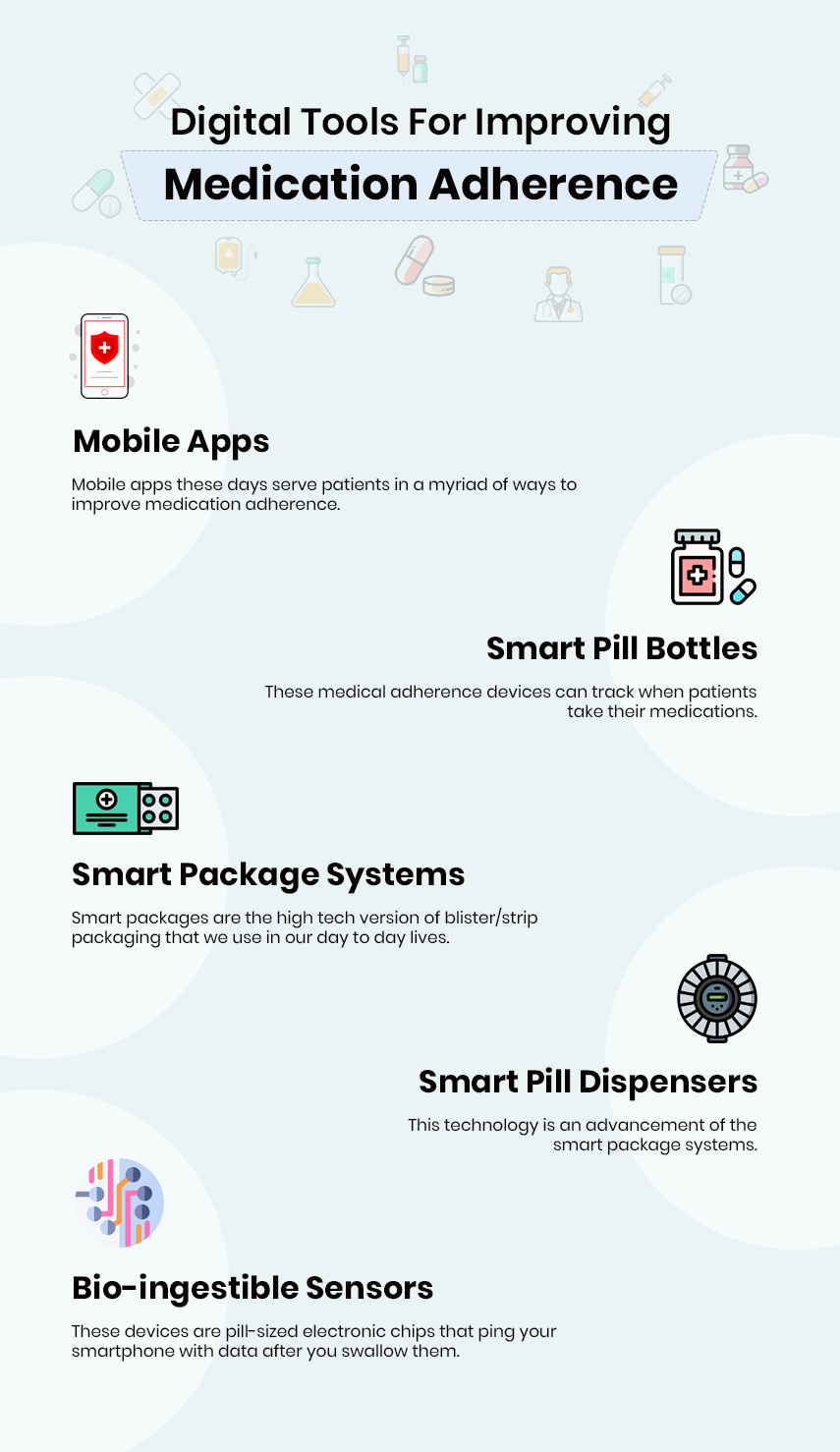
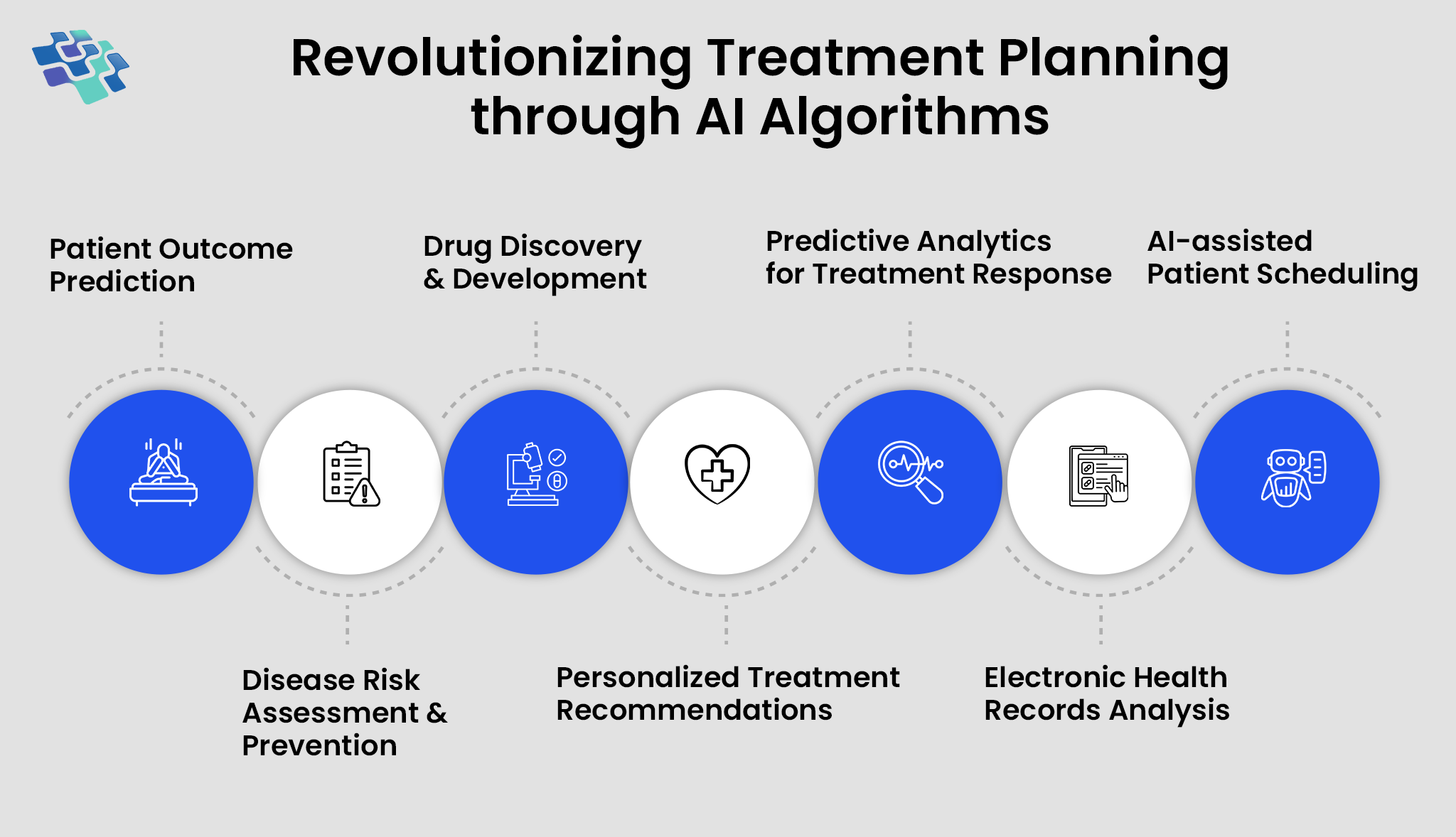
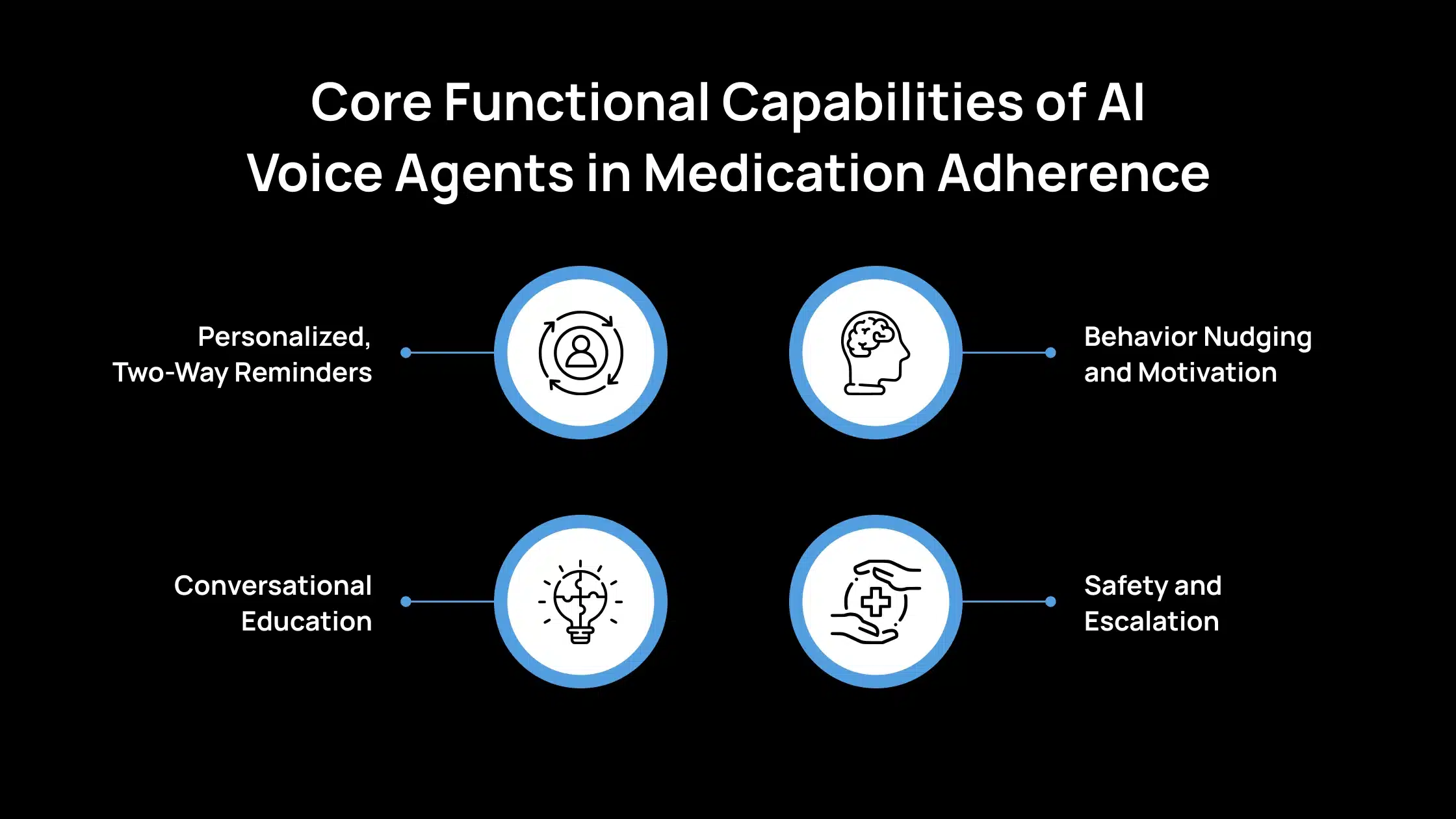
AI -driven personalization offers promising strategies to improve adherence to medication , such as personalized reminders, sensors, virtual assistance and other approaches.