The next destination
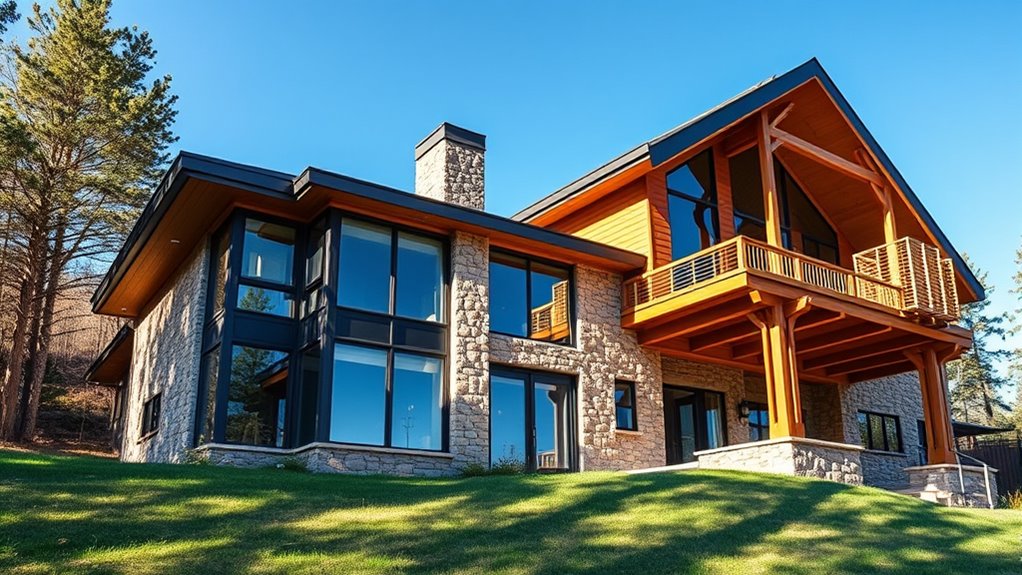
The overall building energy use is comparable to a certified Passive House project. Vigilant environmental assessments and careful sun studies to reduce solar heat gain and loss informed the design . The design even looked at using snow collected during the winter to cool the building in the summer.
In India, Noida International Airport is a model of passive design Outdoor plazas protected by trees and solar canopies; variable temperatures inside the terminal reduce the necessity of air conditioning. The Indian airport matches the necessity of energy saving with a comfortable experience.

Passive design for airports
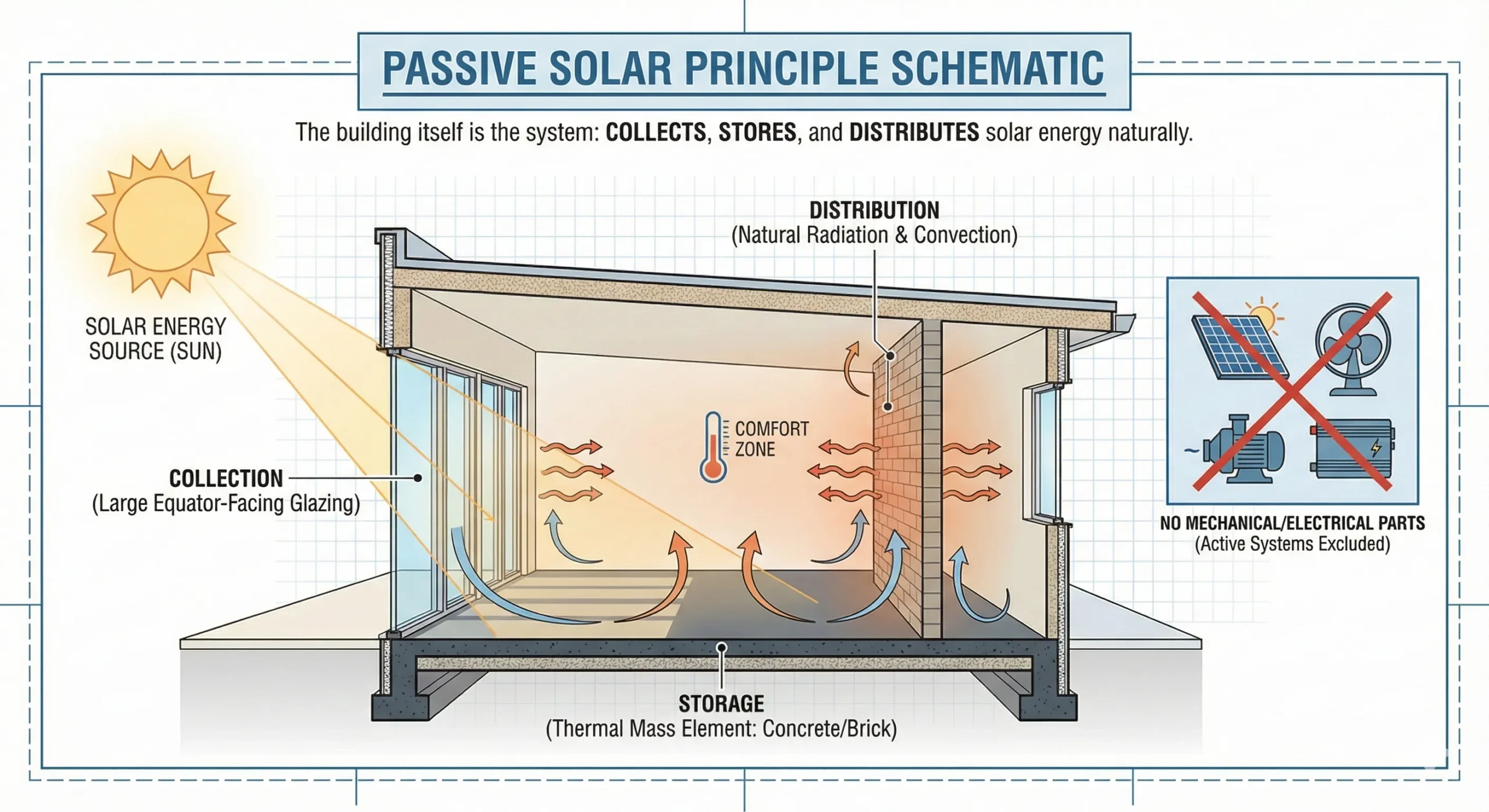
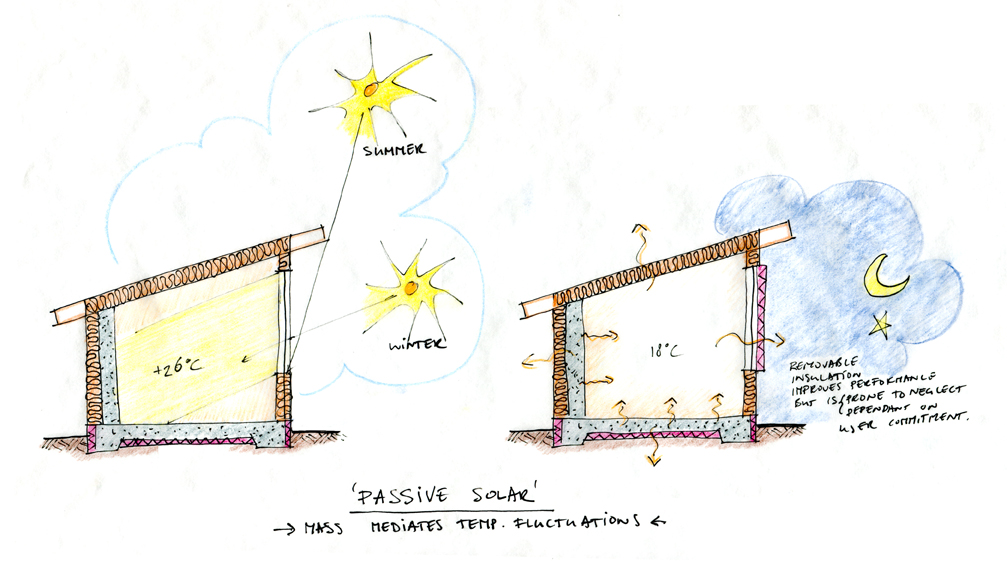
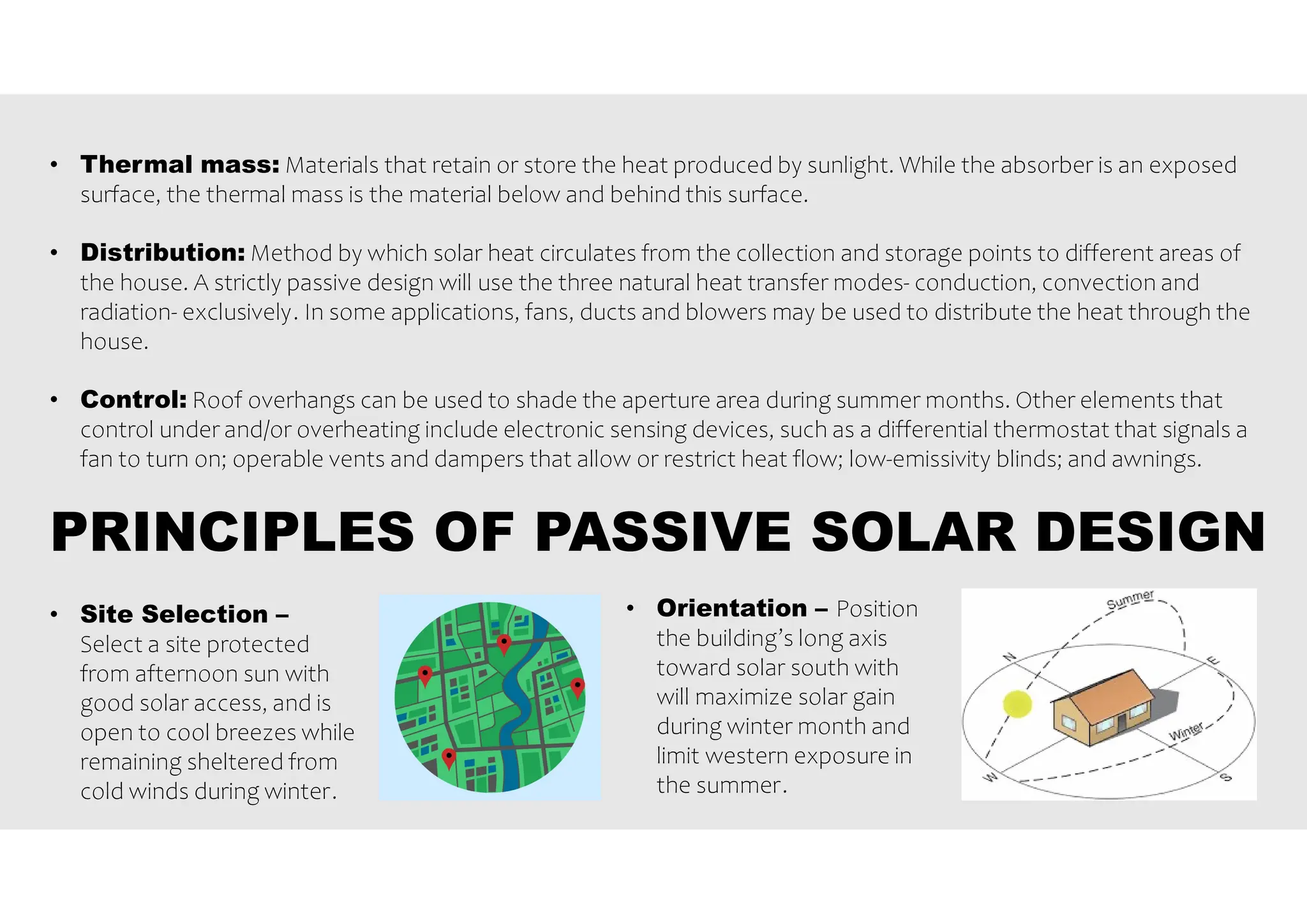
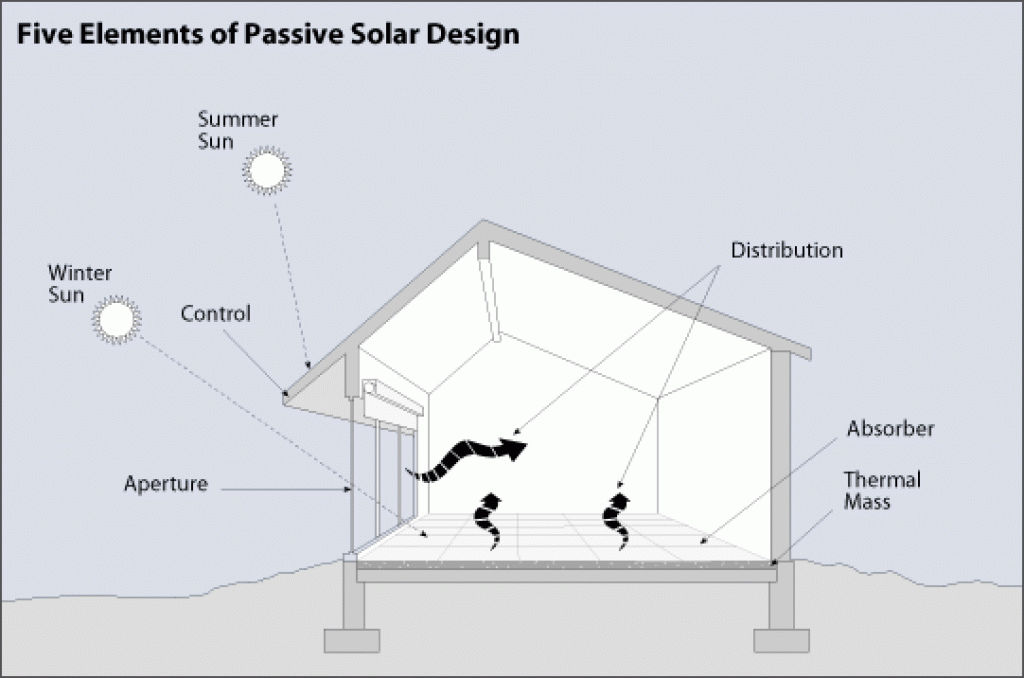
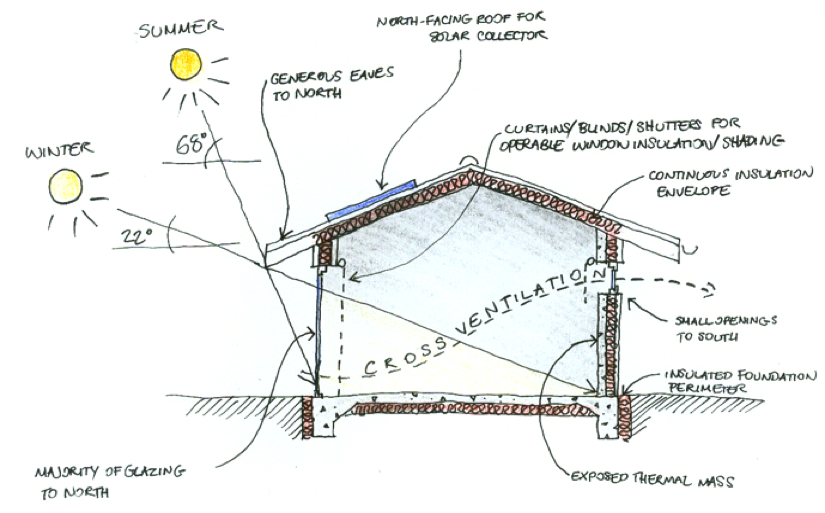
Today, we can design airports that are climate resilient, durable, long-lasting, and healthy for occupants—we can design airports using Passive House standards. So, what is a passive house? Passive house is a building design approach that prioritizes thermal comfort while limiting the energy used to heat and cool the building.

This particular example perfectly highlights why Airport Passive Solar Design is so captivating.
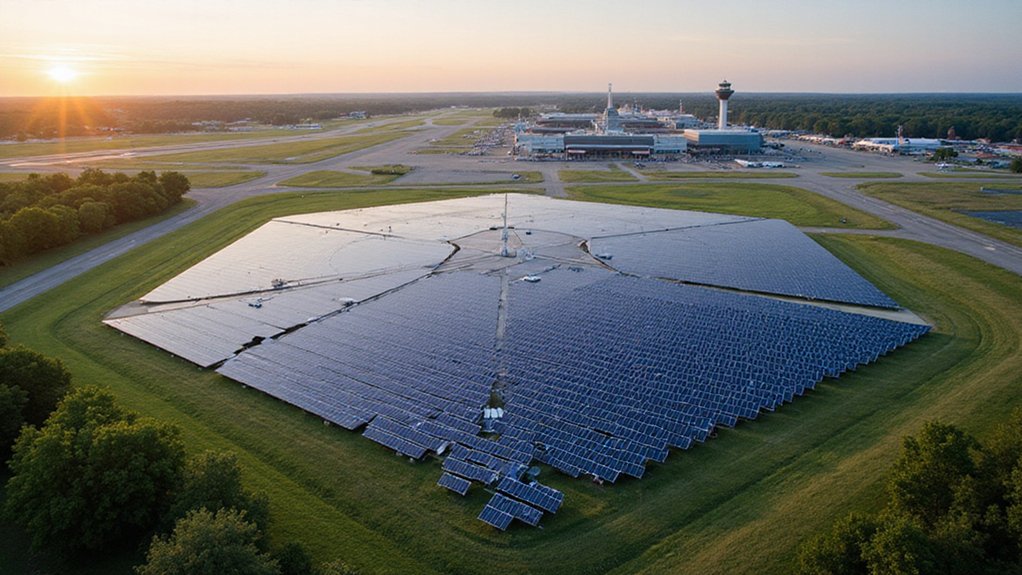
The integration of renewable energy into airport operations is critical as the aviation sector advances toward sustainability and carbon neutrality. Solar energy stands out as a scalable, cost ...
Discover how solar power is transforming airports , reducing emissions, and paving the way for green aviation.

Moving forward, it's essential to keep these visual contexts in mind when discussing Airport Passive Solar Design.
The integration of renewable energy into airport operations is critical as the aviation sector advances toward sustainability and carbon neutrality. Solar energy stands out as a scalable, cost-effective solution that can seamlessly integrate with ...