Biological CCUS & Carbon Capture Utilization And Storage
Our algae-based carbon capture facades and photobioreactor systems absorb CO2, remove pollutants, and generate biochar and carbon credits for a net-zero carbon future.

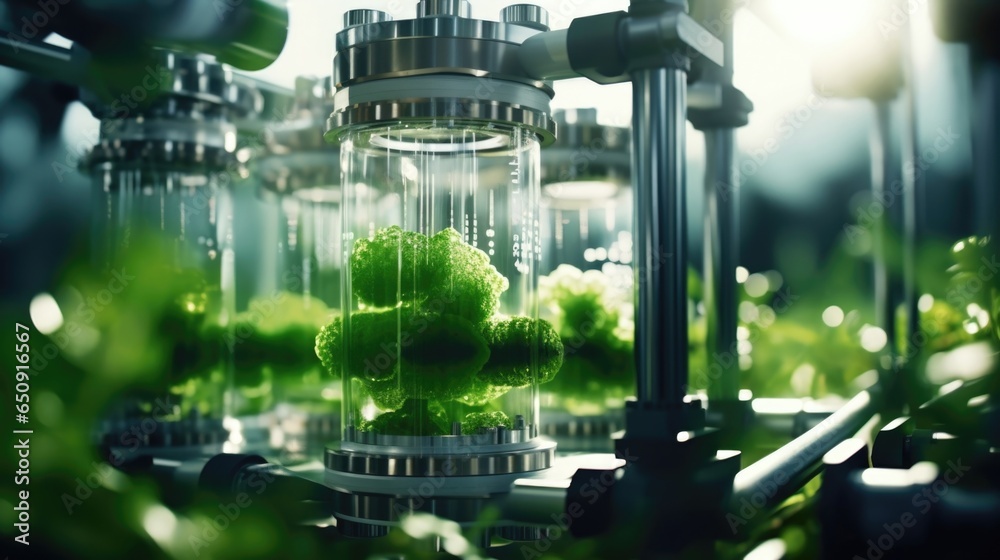
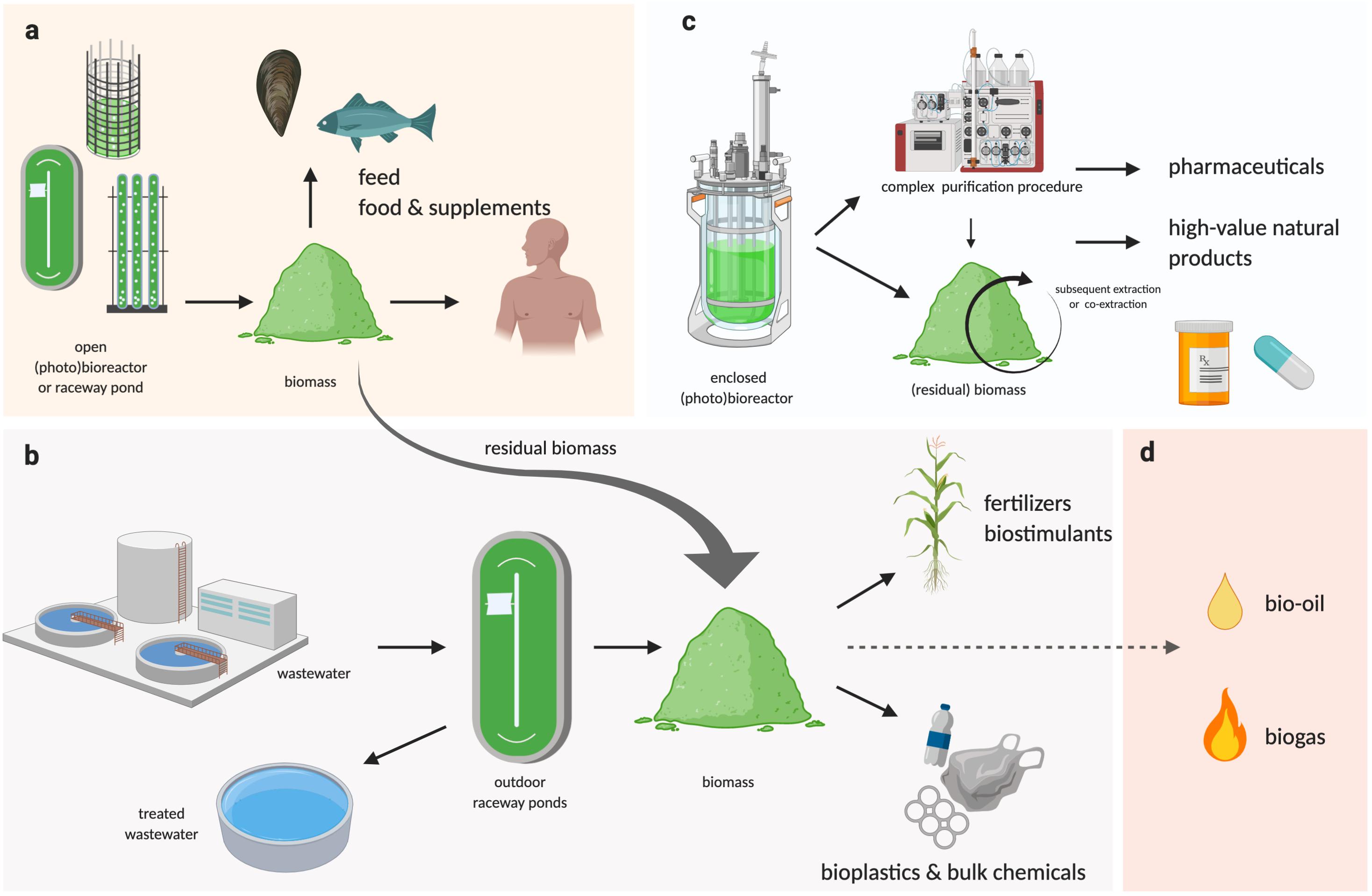
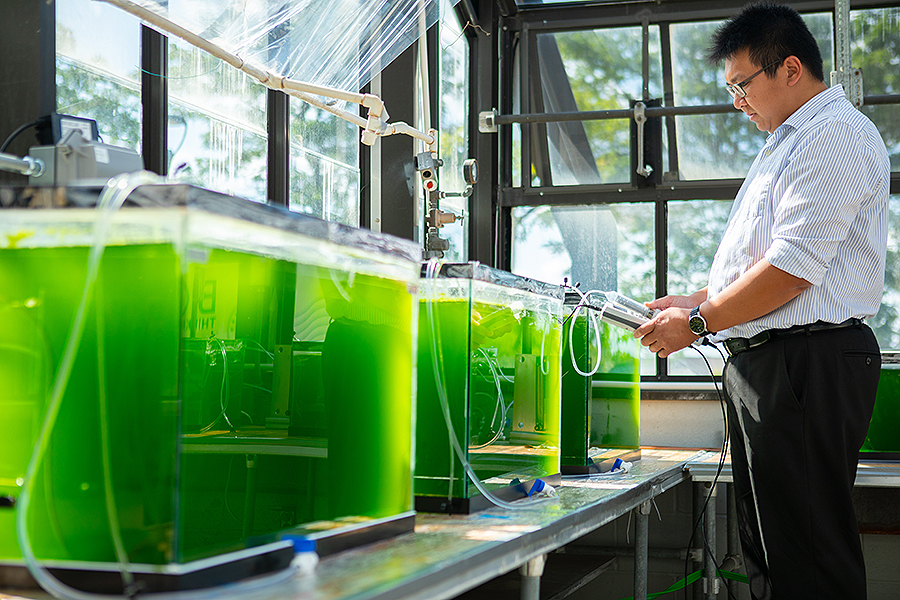
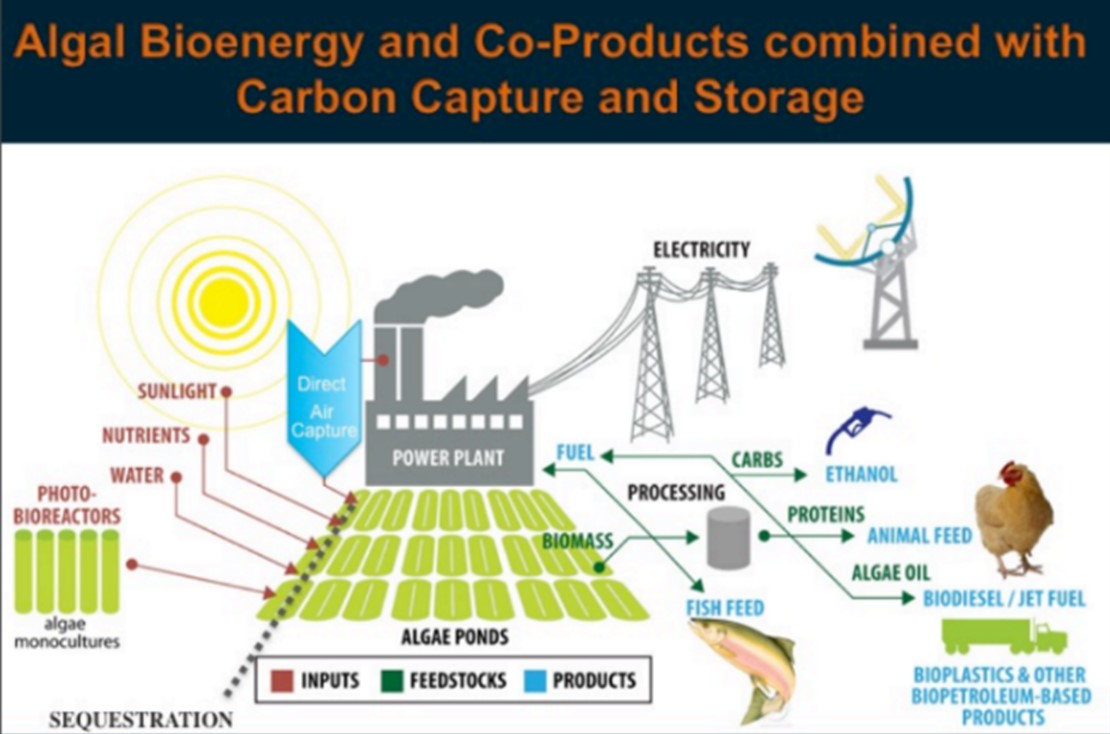
Due to their strong photosynthetic capability and rapid growth, microalgae have received significant attention for their carbon capture potential. Photobioreactors fabricated into buildings and industrial infrastructure allow microalgae to sequester more carbon while simultaneously producing biomass feedstock and other valuable biomass commodities.

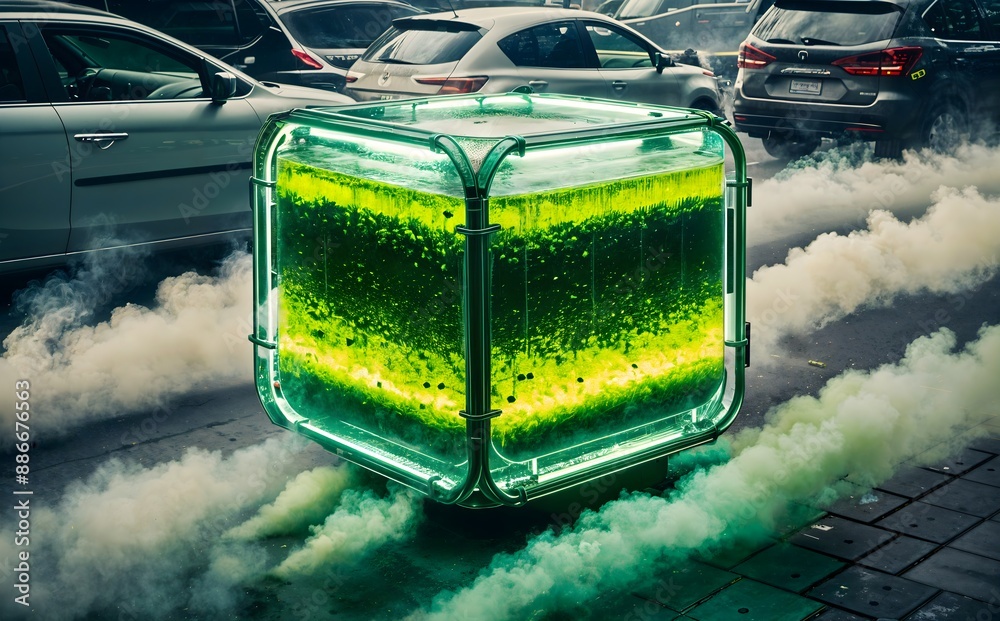
This particular example perfectly highlights why Algae-Based Industrial Carbon Capture Facade is so captivating.
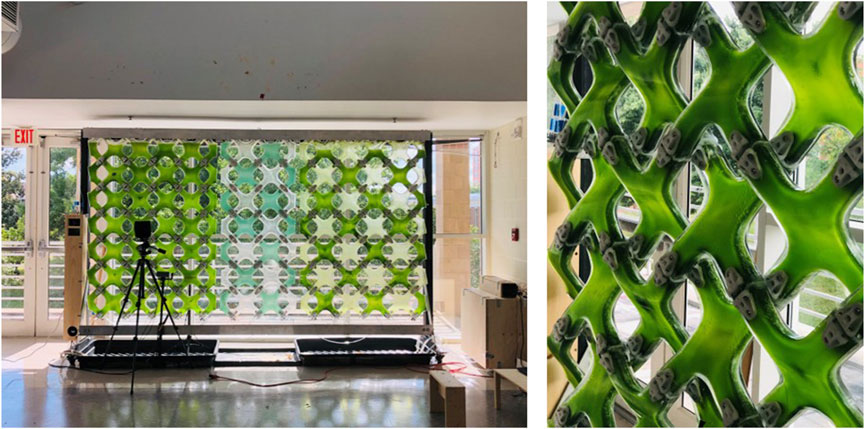
Photobioreactor facade panels

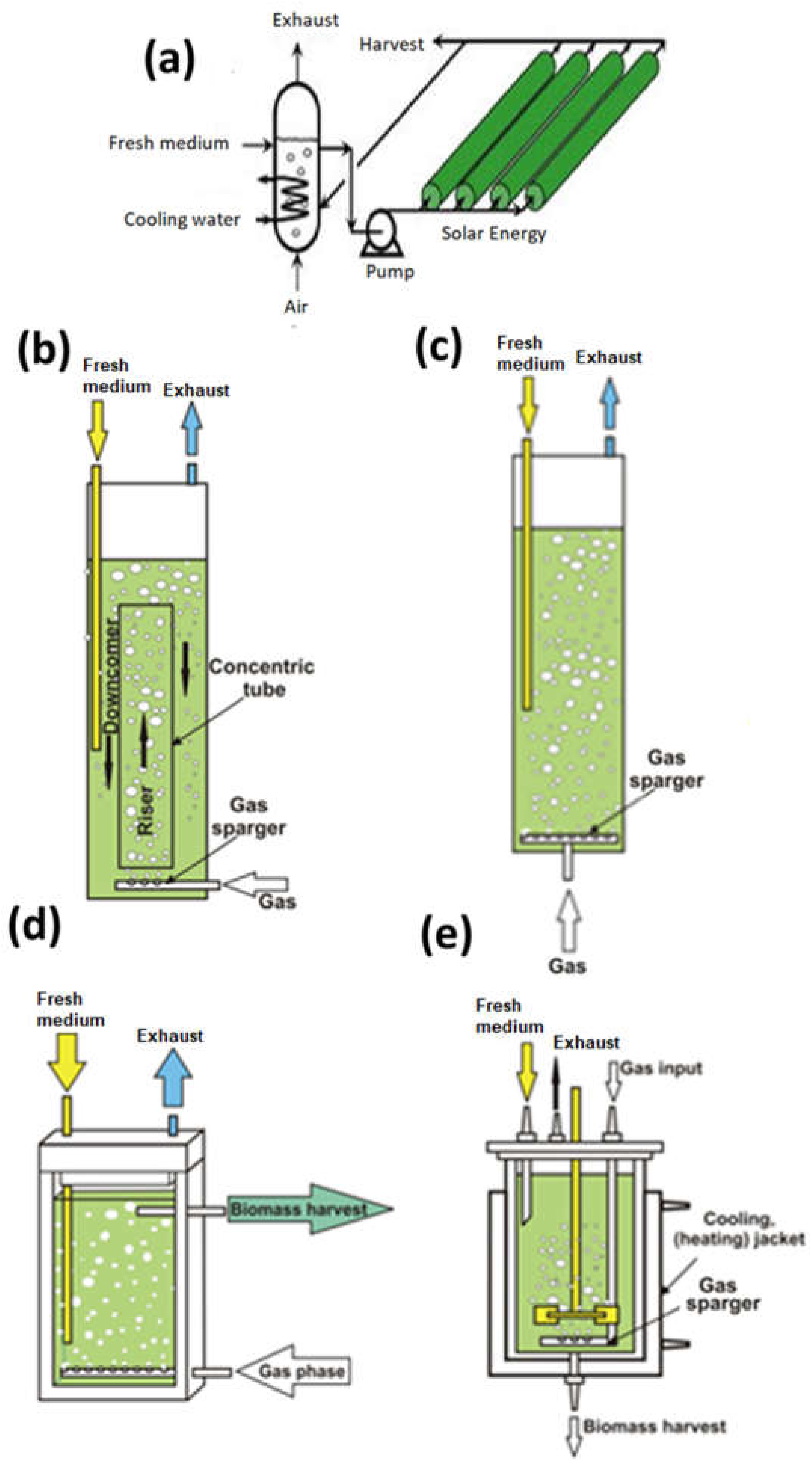
As we can see from the illustration, Algae-Based Industrial Carbon Capture Facade has many fascinating aspects to explore.
Among these, the integration of microalgae- based photosynthesis into building facades has emerged as a promising solution. This approach offers multiple benefits, including carbon sequestration, reduced energy consumption, dynamic shading, and improved thermal regulation.
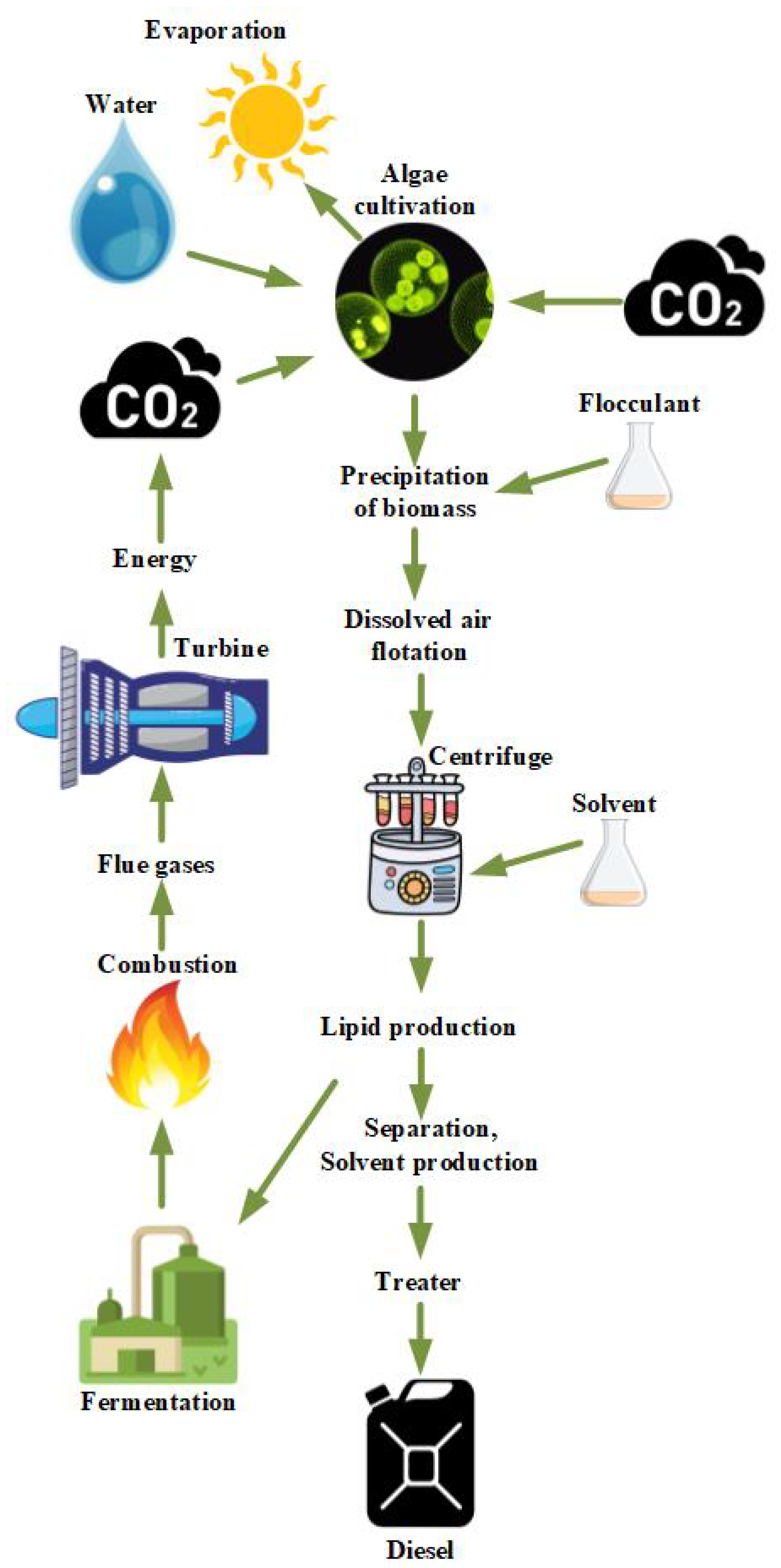
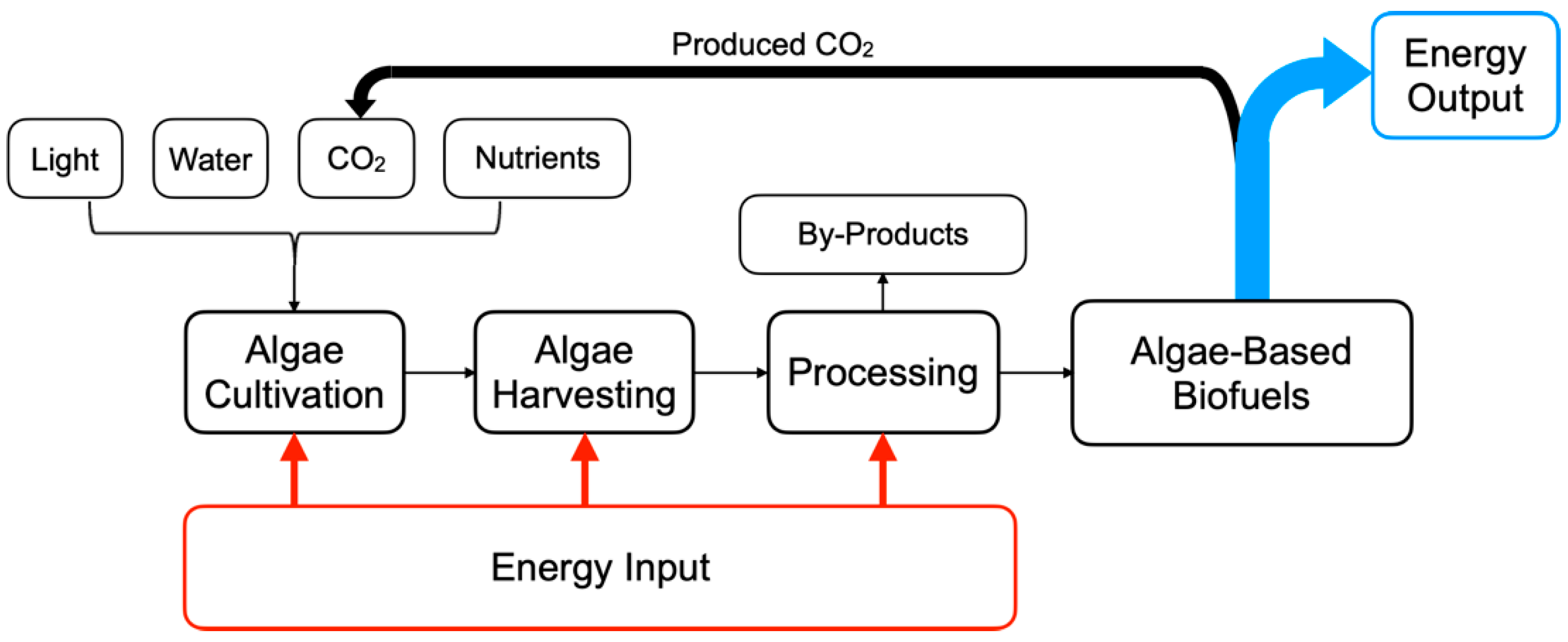
The closed loop system creates carbon reduction on three levels: direct carbon sequestration from the air (used to feed the algae ), absorption of carbon (by the algae ), and a reduction in energy use.
These façades incorporate photobioreactors (PBRs) filled with algae into glass panels. The algae grow using daylight and carbon dioxide, generating biomass, providing thermal regulation, shading, and producing renewable heat (and in some cases, energy) while sequestering carbon .