Understanding Multitasking in Computing
The Basics of Multitasking: Multitasking enables a computer to handle multiple tasks without waiting for one to finish before starting another. These tasks can be applications, processes, or threads, and they may include activities like running software applications, handling system maintenance, and processing background services.
Concurrency Multiple activities and processes happening at the same time—in other words, the OS handling multiple tasks at once—is called concurrency. Concurrent processing can be achieved via a multiprogramming environment, a multiprocessing environment, or a distributed processing environment (Figure 6.18).

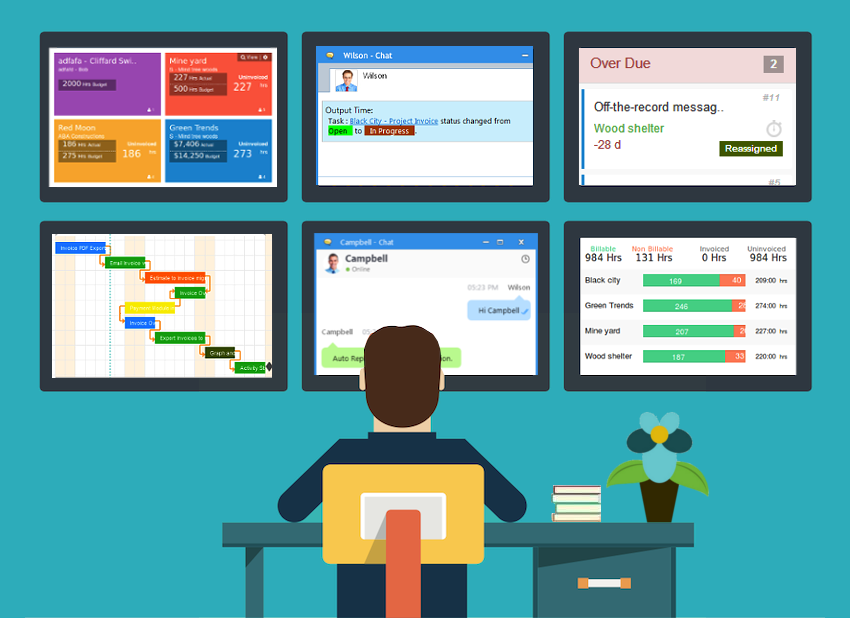
This particular example perfectly highlights why Assessing Computer Handling Multiple Output Tasks is so captivating.
How Computers Handle Multiple Tasks : The Deep Guide to Processes, Threads, Concurrency & Parallelism A step-by-step cheat sheet + deep-dive article on programs, processes, threads ...
At the application level, concurrency is implemented by designing software to perform multiple tasks simultaneously. This often involves dividing a program into multiple threads or processes.

Computer multitasking
New tasks can interrupt already started ones before they finish, instead of waiting for them to end. As a result, a computer executes segments of multiple tasks in an interleaved manner, while the tasks share common processing resources such as central processing units (CPUs) and main memory.