Beginner Gymnastics
Master the beginner forward roll safely with this complete tumbling lesson plan for kids. Learn the three essential gymnastics shapes (straight, pike, tuck) and the crucial 'Turtle Head Rule' for neck protection. Perfect for parents and educators, this guide includes step-by-step instructions, spotter techniques, warm-ups, and fun 'rocking ball' drills to build confidence in foundational ...
A Complete Guide To The Forward Roll
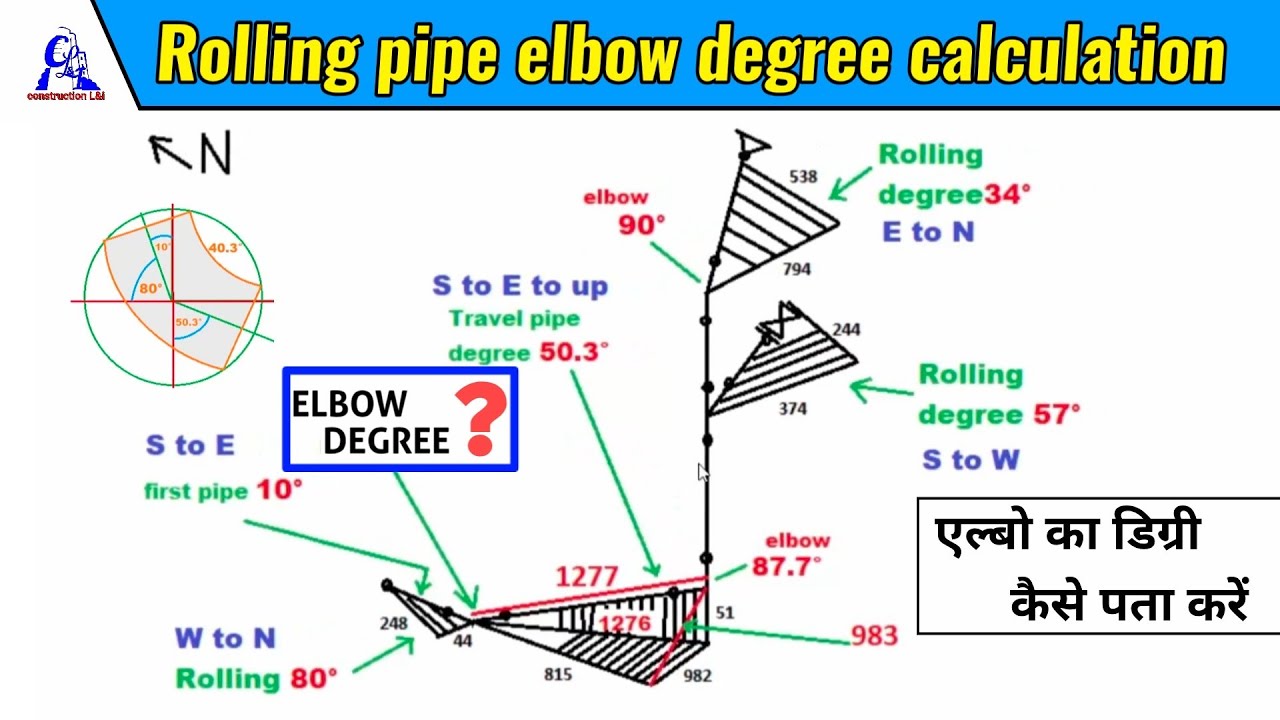
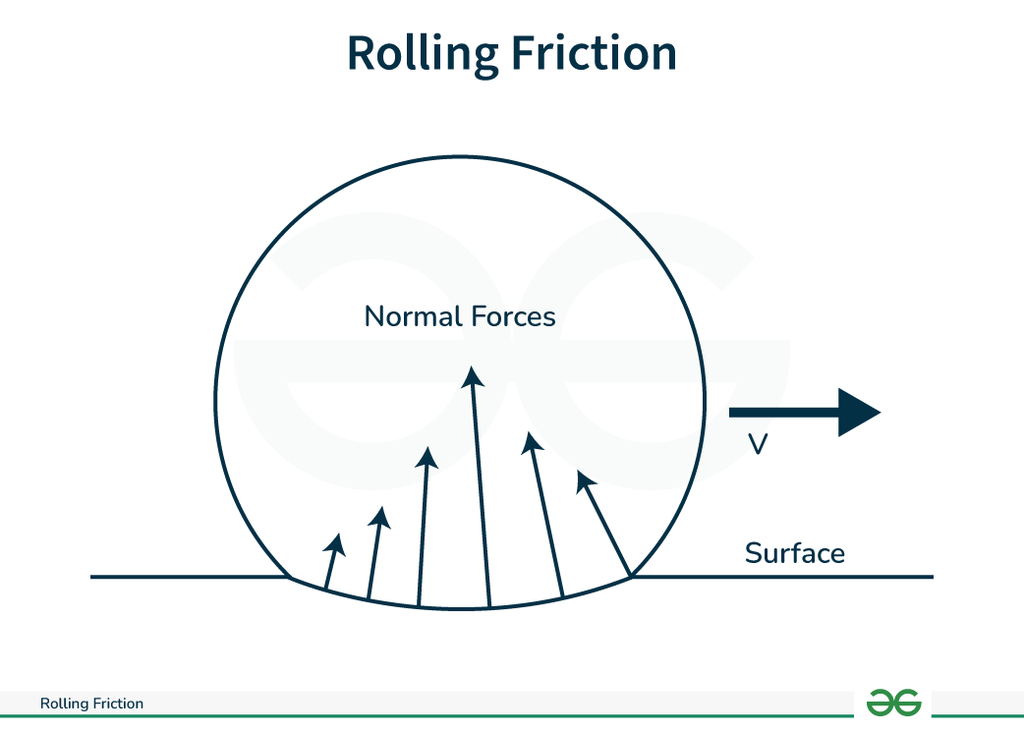
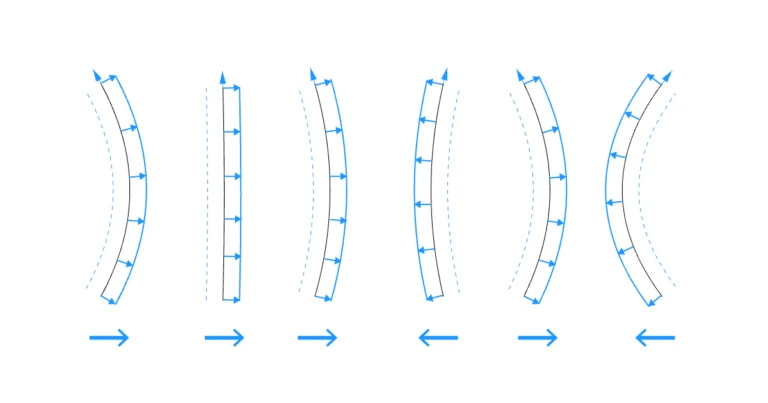
Furthermore, visual representations like the one above help us fully grasp the concept of Beginner Adjusts Rolling Direction For Shape Fluidity.
A forward roll is one of the first moves that a beginner will learn in gymnastics. It is a building block for learning more advanced skills like somersaults and also helps gymnasts fall safely if they make a mistake. But despite it being a basic skill, even beginners will need to understand some basic gymnastics body shapes before starting to forward roll. If done badly, a forward roll can ...
If you guys enjoyed this video, Make sure to drop a subscribe and comment down below what type of content you guys would like to see! I hoped my breakdown on...
A Beginner's Guide to Rolling (From The Ground Up)
Here's a video that will walk you through some beginner rolling progressions, which are critical for developing the foundation necessary for performing more challenging rolls… Beginner's Guide to Rolling (from the ground up)
For a rolling CB, the cue ball changes direction by about 30° for a wide range of cut shots (1/4 to 3/4 ball hit). This is the 30° rule. If you want an easy way to use your hand to accurately visualize the CB direction , use the Dr. Dave peace-sign technique. For hits fuller than 3/4-ball or thinner than a 1/4-ball, see the thin/full hit section below.