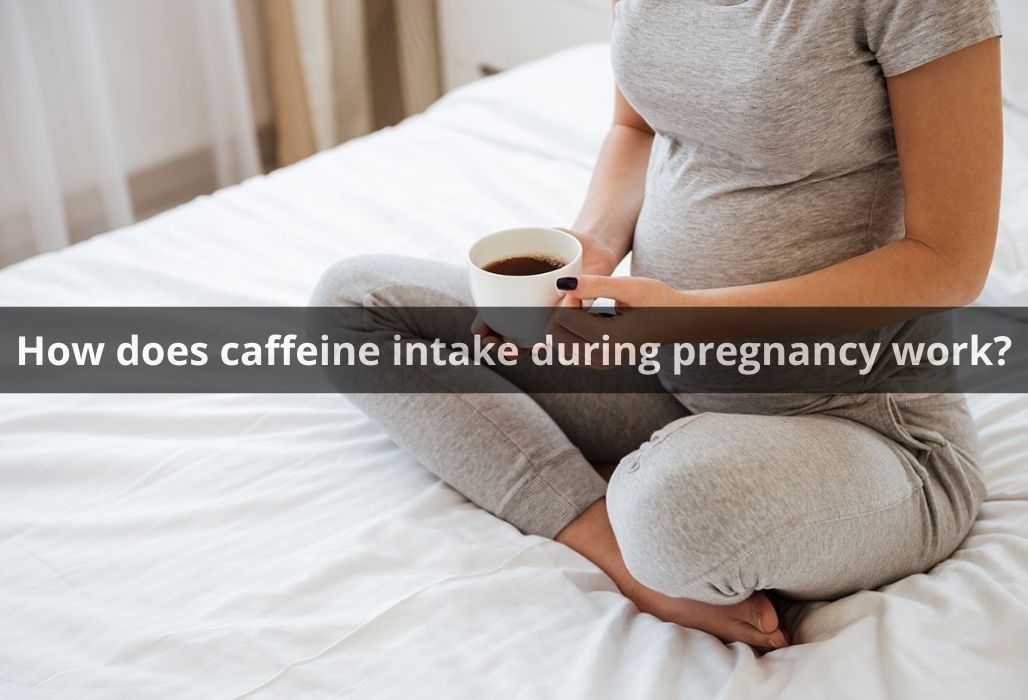
Caffeine intake during pregnancy and adverse outcomes
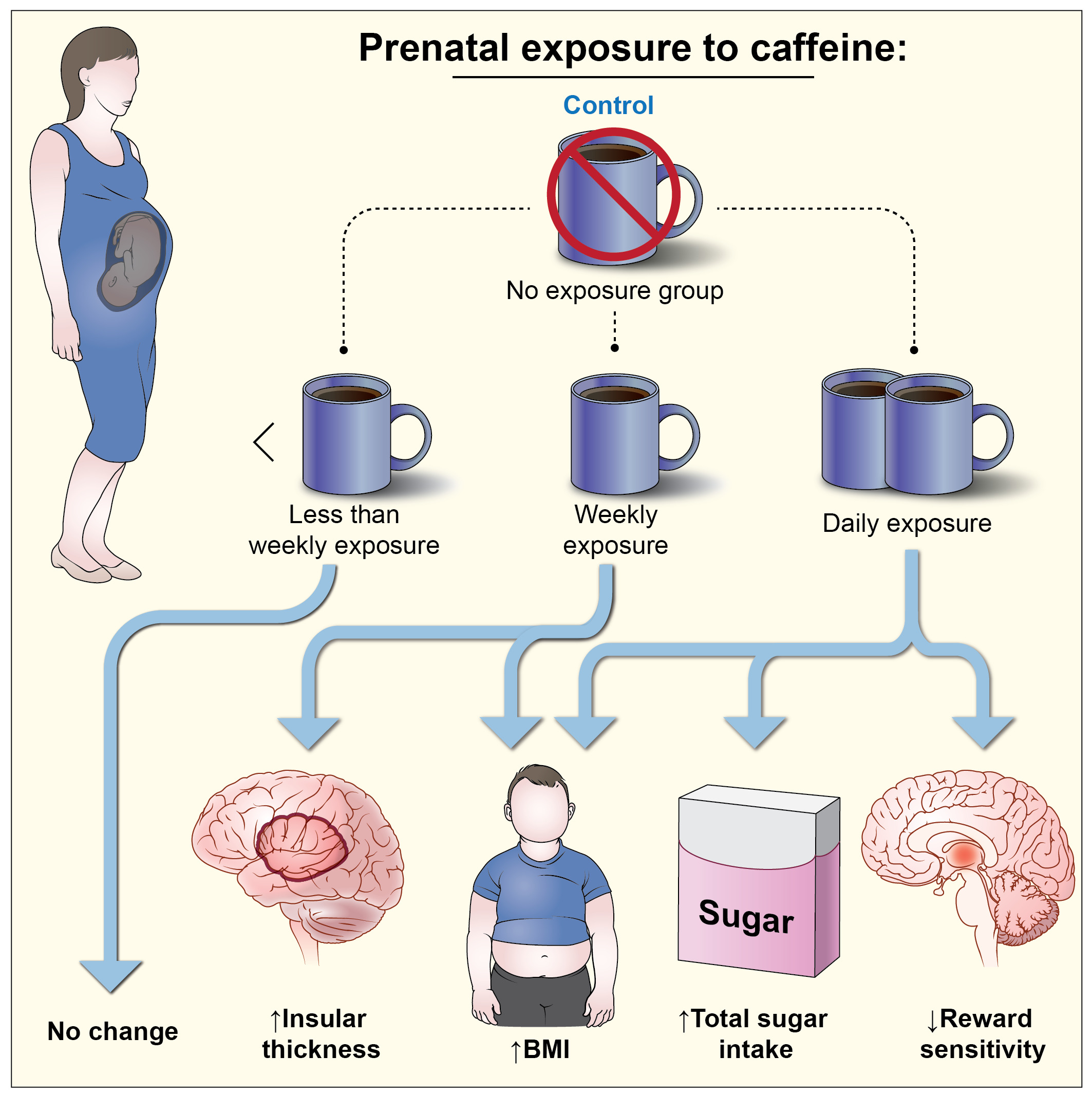
Caffeine intake during pregnancy is common. Caffeine crosses the placenta, raising concerns about its possible deleterious effects on the developing embryo/fetus. Studies on this subject show conflicting results, and still there is no consensus on the recommended dose of caffeine during pregnancy . We performed an integrative review with studies from six databases, using broad MESH terms to ...

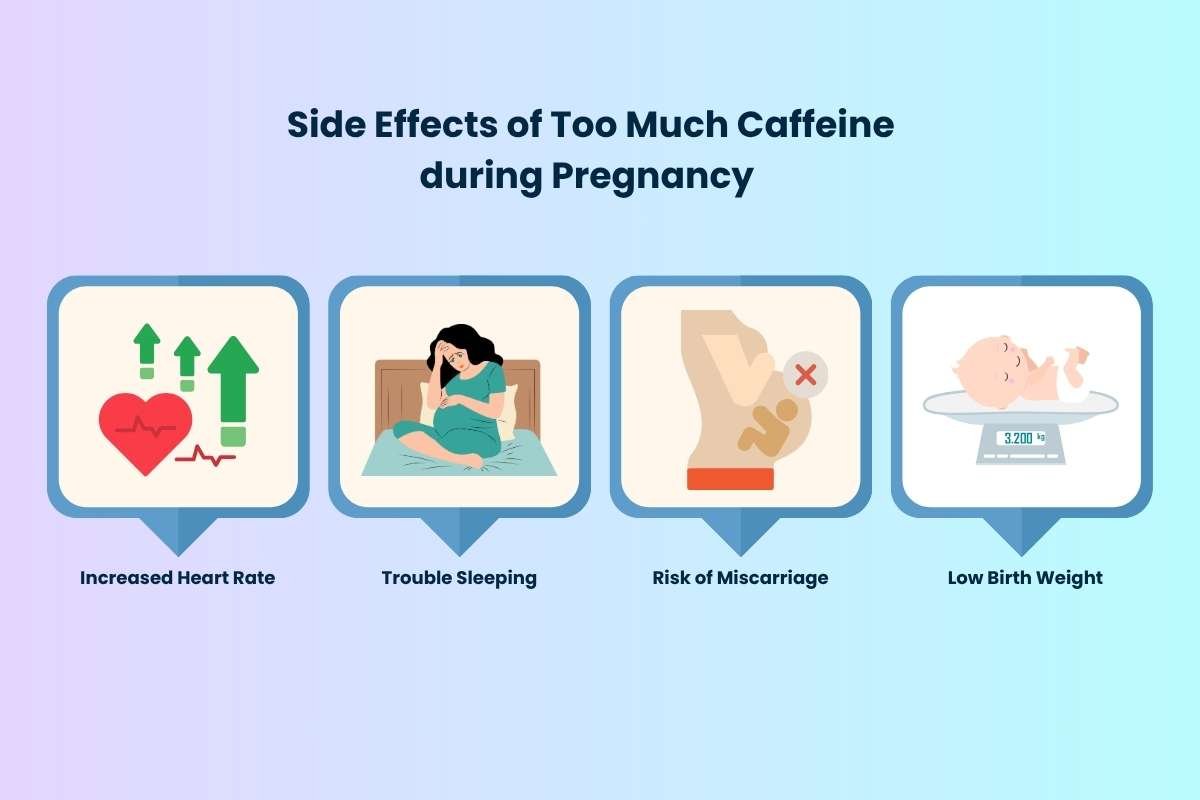
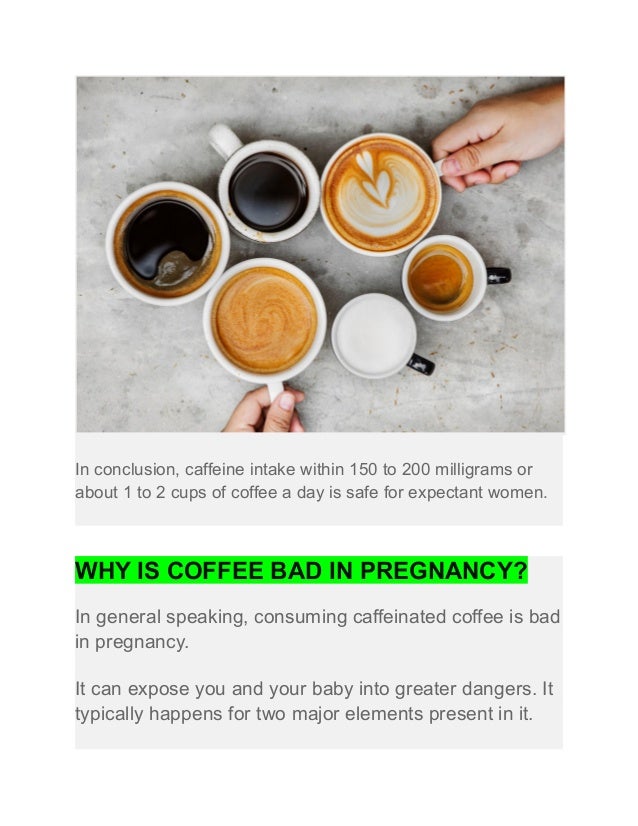
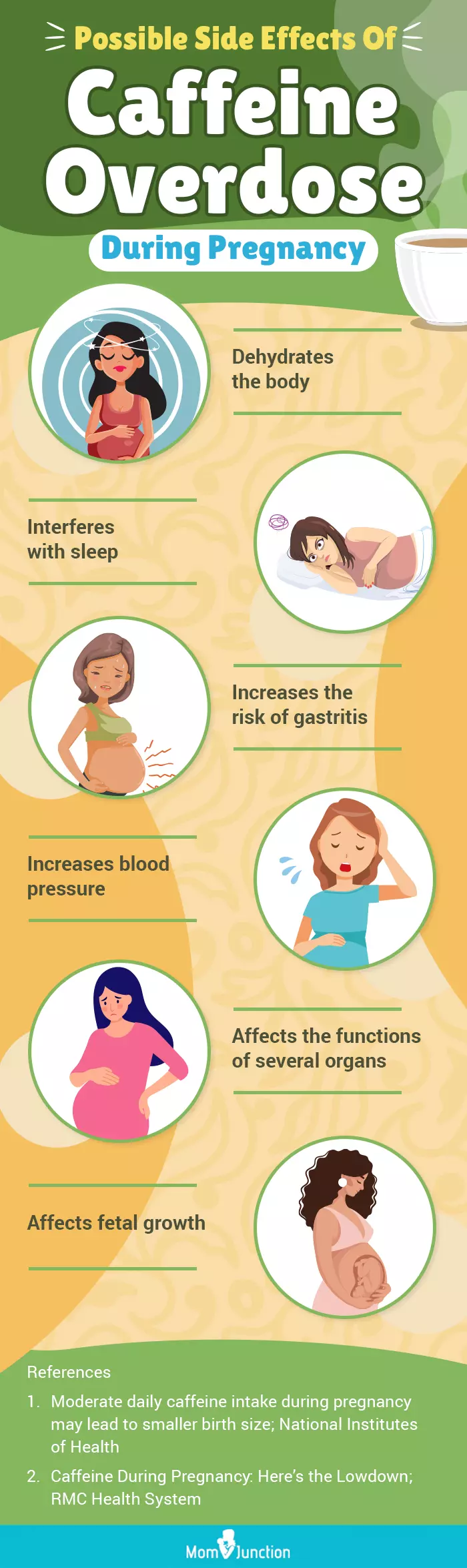
Caffeine intake is not recommended during pregnancy . Caffeine can increase your blood pressure and heart rate and can lead to dehydration.
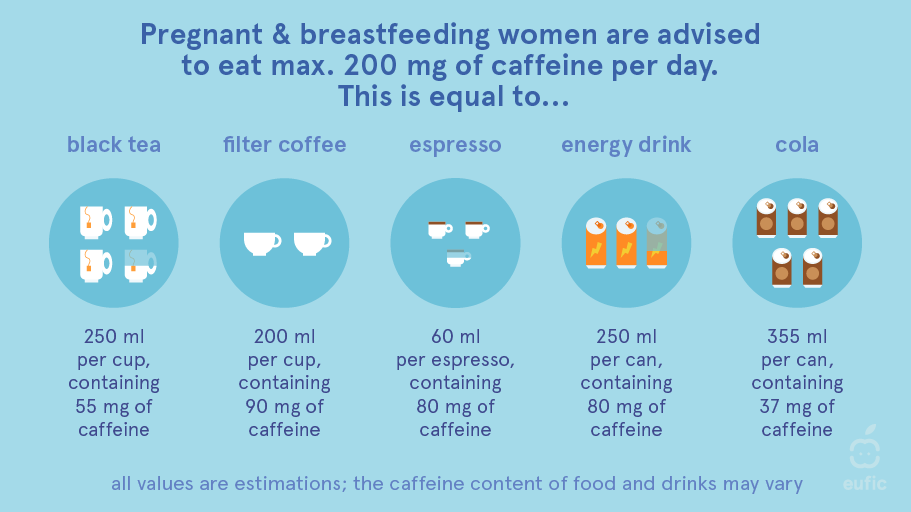
Such details provide a deeper understanding and appreciation for Caffeine Intake During Pregnancy And Effects.
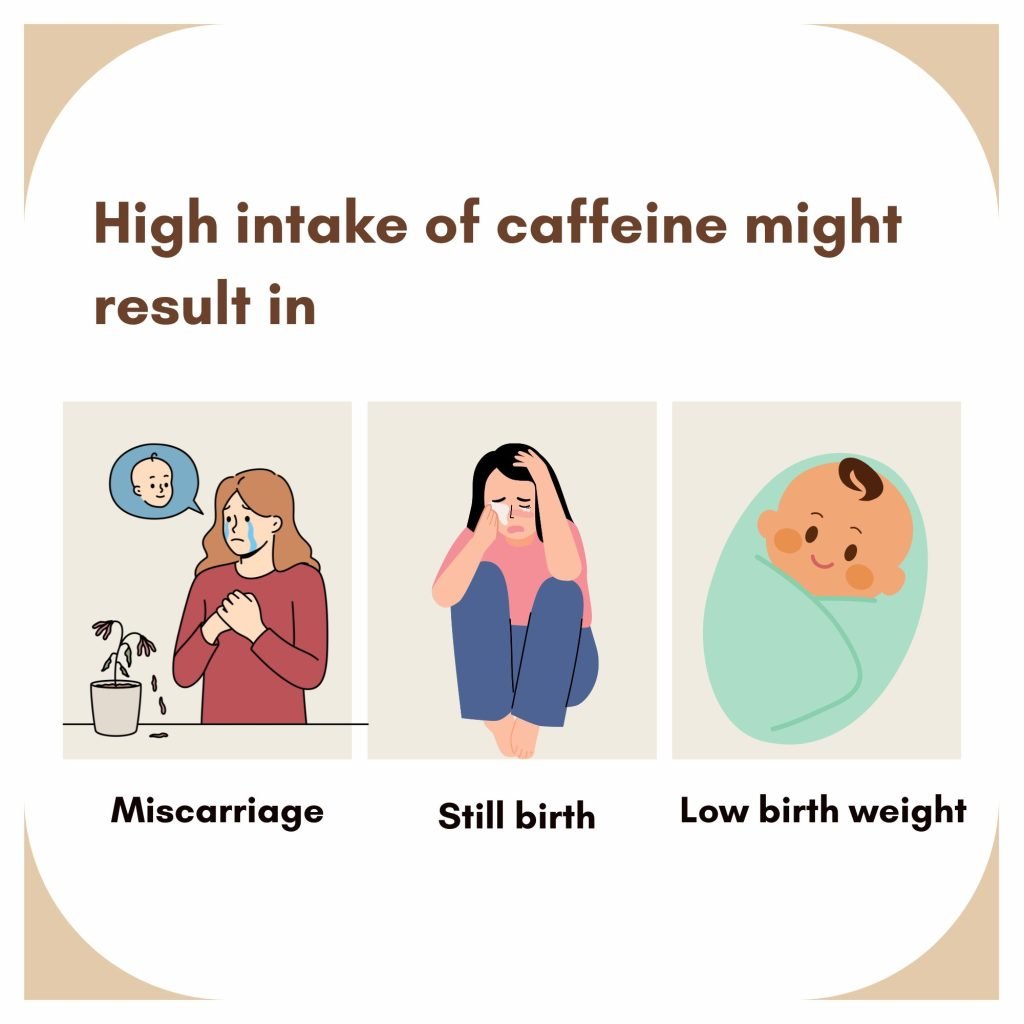
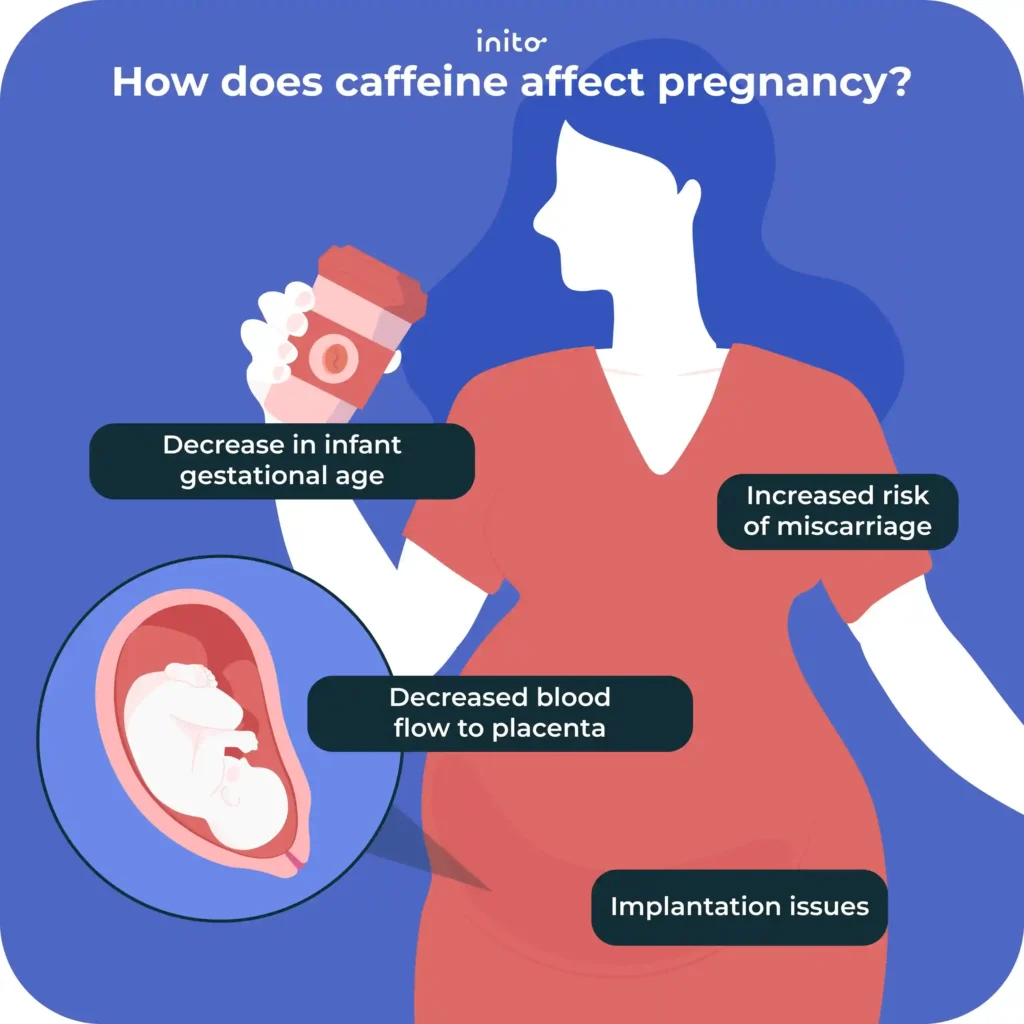
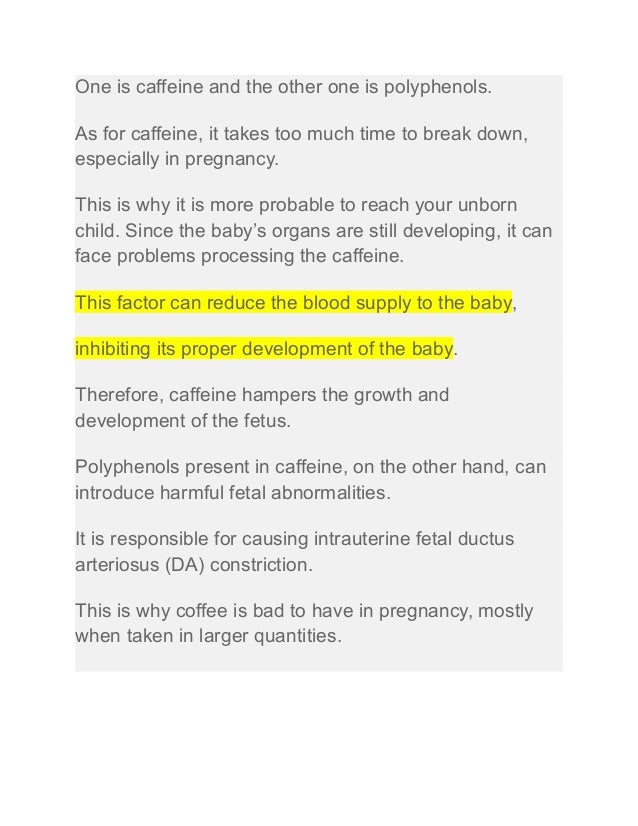
Caffeine is commonly used to excess by the general public, and most pregnant women drink caffeine on a daily basis, which can become a habit. Maternal caffeine intake during pregnancy is associated with severe gestational outcomes. Due to its lipophilic nature, caffeine can cross the blood-brain barrier, placental barrier, and even amniotic fluid. It can be found in substantive amounts in ...

Moving forward, it's essential to keep these visual contexts in mind when discussing Caffeine Intake During Pregnancy And Effects.
The effects of caffeine on the body are mediated via interaction with a number of receptors, including adenosine, adrenergic, cholinergic γ-aminobutyric acid, and serotonin receptors. 1 The concerns about caffeine use during pregnancy or lactation are owing to the theoretical effects on the fetus: caffeine crosses the placental barrier 2 ...
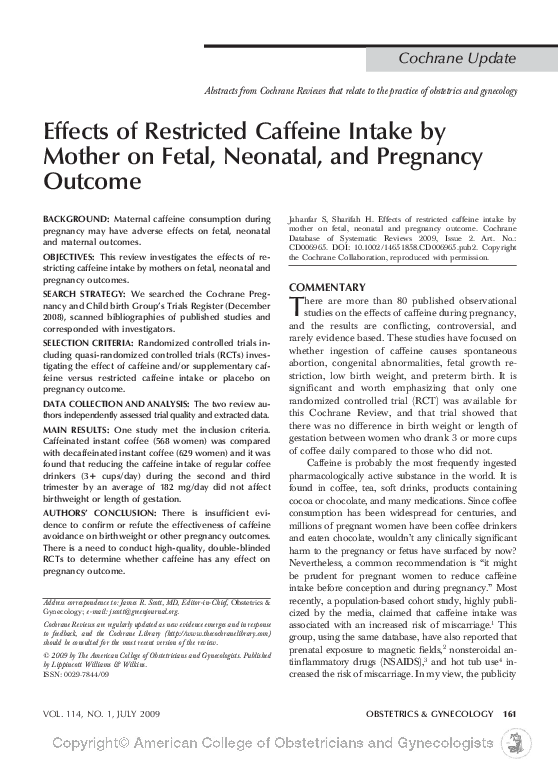
Restricting caffeine intake during pregnancy
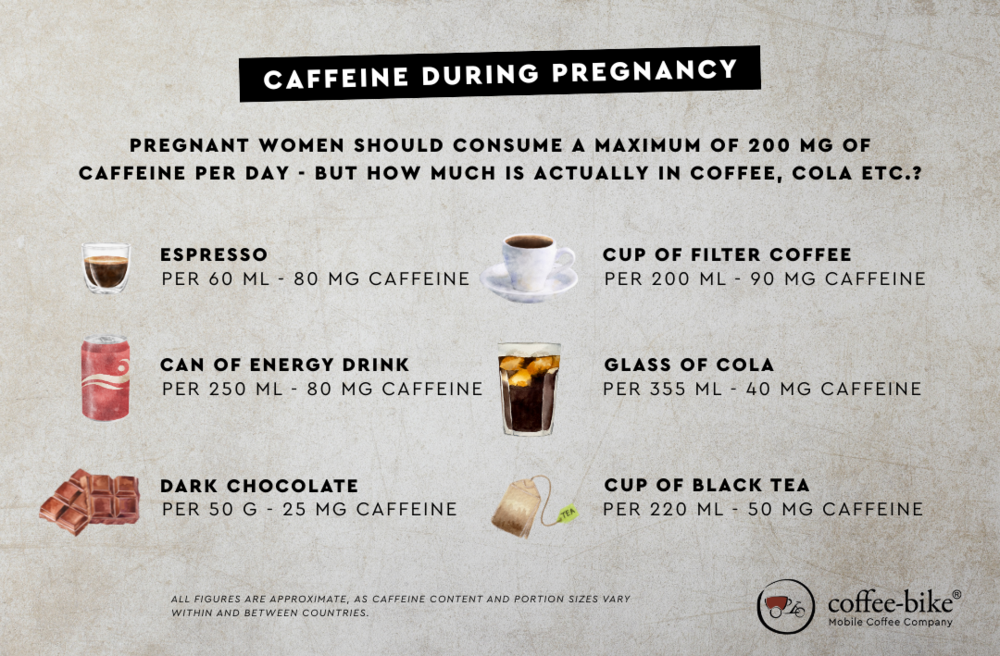
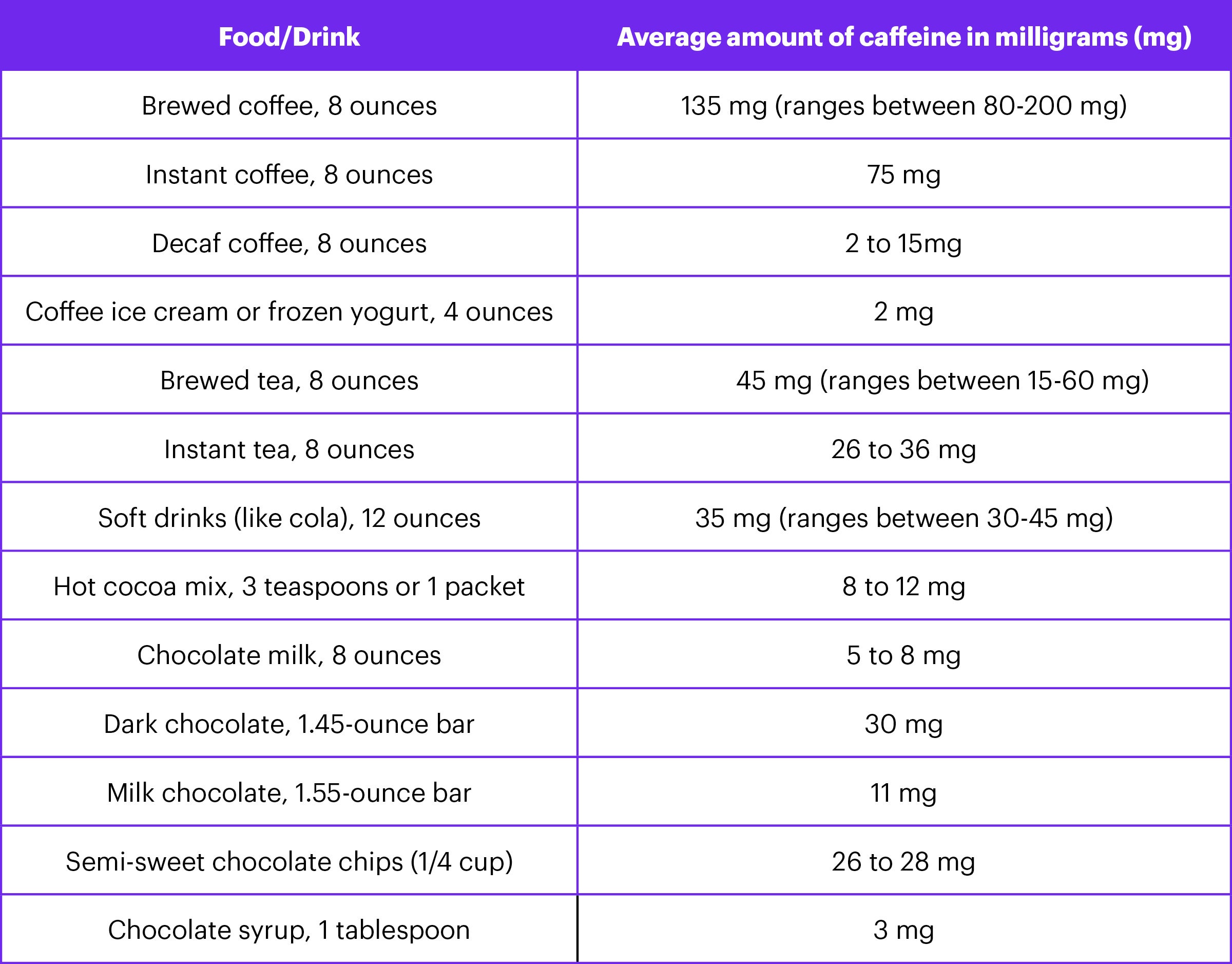
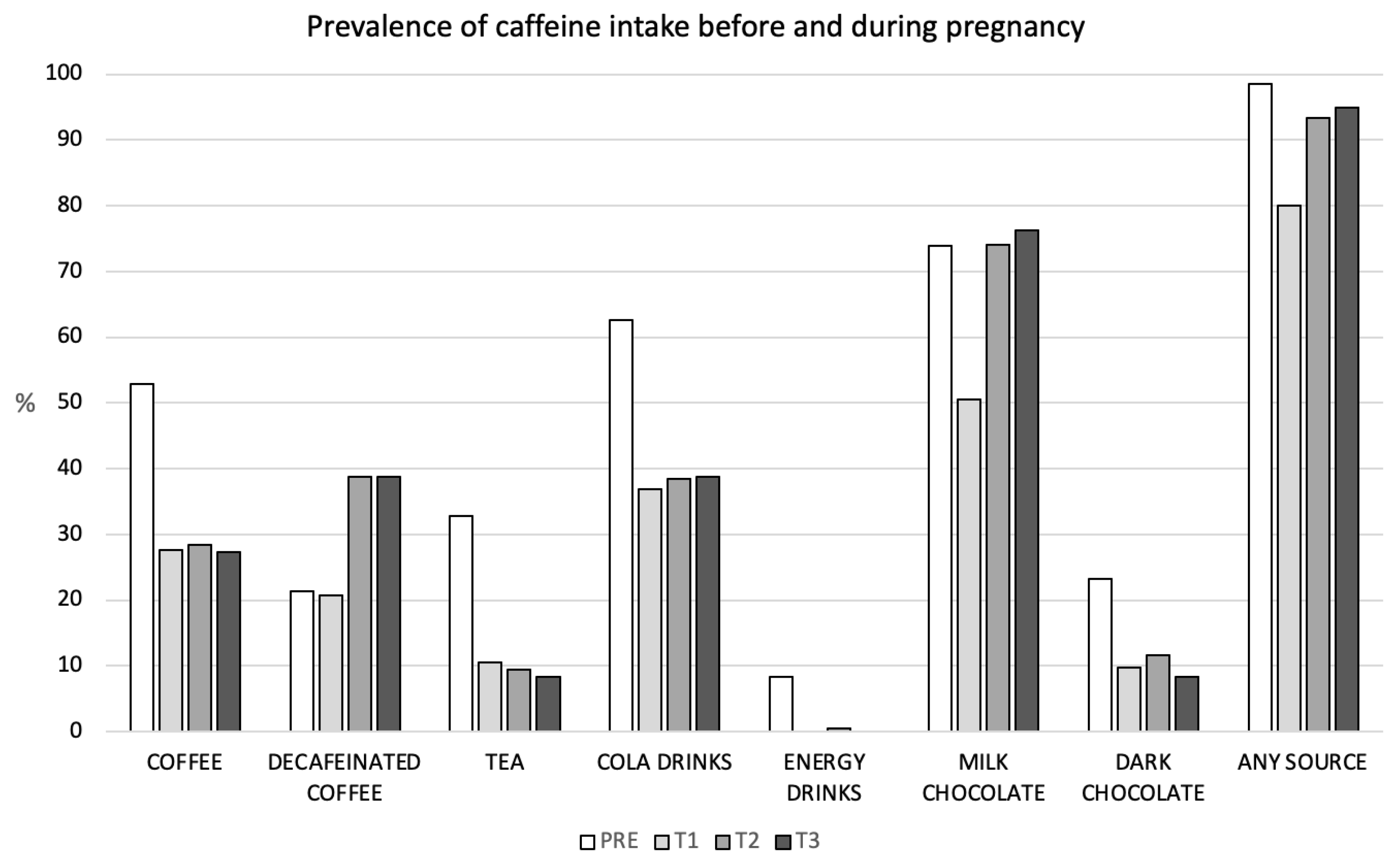
Caffeine is a stimulant found in tea, coffee, soft drinks, chocolate, kola nuts, energy drinks and some over-the-counter medications. Coffee is one of the most common sources of high caffeine intake . During pregnancy , caffeine clearance from the mother's blood slows down significantly. Results from some observational studies suggest that excess intake of caffeine may be associated with ...