Plants Poisonous to Livestock
ABSTRACT We assessed total phenolic content (TPC), total flavonoid content (TFC), free radical quenching capacities in terms of 2,2-diphenyl-1-picrylhydrazyl hydrate (DPPH), TAC (Total Antioxidant Capacity), Hydrogen Peroxide Scavenging (HPS), ferric reducing Antioxidant power (FRAP), acute and chronic toxicity assays and mineral contents in the peel and pulp of five varieties of apple ( Malus ...
Phytochemical profiles and cellular antioxidant activity of Malus ...

As we can see from the illustration, Chevalier De Malus Toxicity Levels has many fascinating aspects to explore.
Phytochemical profiles and cellular antioxidant activity of Malus doumeri (bois) chevalier on 2,2′-azobis (2-amidinopropane) dihydrochloride (ABAP)-induced oxidative stress
The accumulation of toxic levels of ammonium leads to various physiological changes, ammonium toxicity , and lethality [141, 142, 143, 144]. Dmitrović et al. [39] demonstrated that the simultaneous foliar application of Nr EO and BASTA alleviated this toxicity by maintaining GS activity, with ammonium concentrations remaining below toxic levels .

Arbuscular Mycorrhizal Fungi Alleviate Cadmium Phytotoxicity by ...
Arbuscular mycorrhizal fungi (AMF) affect cadmium (Cd) accumulation and tolerance in host plants. However, the effects of AMF on Cd accumulation and phytotoxicity and their underlying mechanism in apples remain uncharacterized. In this study, the comprehensive physiological and molecular responses of uninoculated and Rhizophagus intraradices-inoculated Malus hupehensis Rehd. rootstocks exposed ...

This particular example perfectly highlights why Chevalier De Malus Toxicity Levels is so captivating.
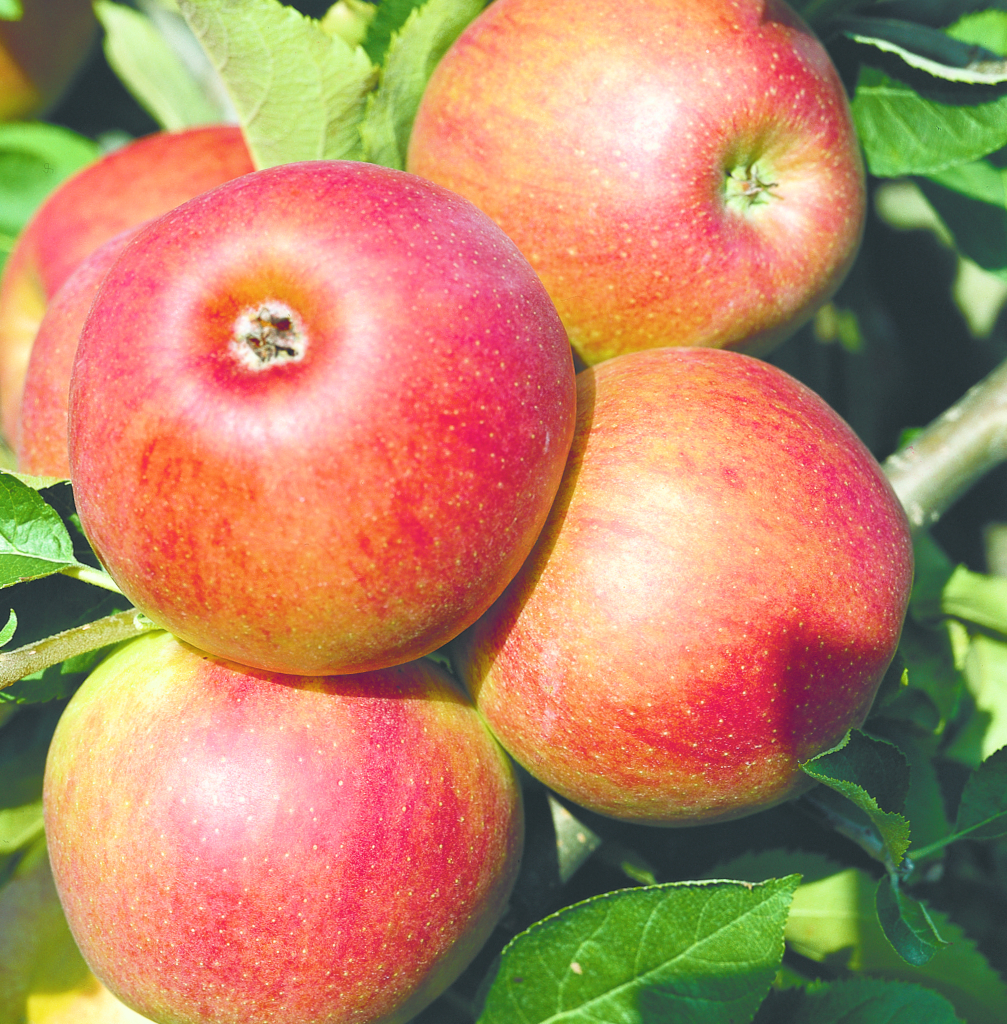
Scientific Name: Malus sylvestrus Family: Rosaceae Toxicity : Toxic to Dogs, Toxic to Cats, Toxic to Horses Toxic Principles: Cyanogenic glycosides Clinical Signs: Stems, leaves, seeds contain cyanide, particularly toxic in the process of wilting: brick red mucous membranes, dilated pupils, difficulty breathing, panting, shock.