A Visual Journey and Ultimate Guide to Chocolate Toxicosis In Geriatric Canines
Chocolate Toxicosis in Animals
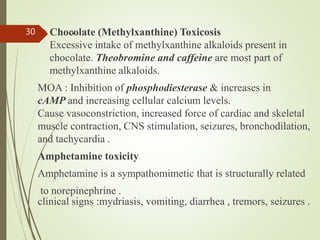
Chocolate toxicosis in animals may result in potentially life-threatening cardiac arrhythmias and CNS dysfunction. Chocolate poisoning occurs most commonly in dogs, although many species are susceptible. Dogs are most often affected because of their indiscriminate eating habits and easy access to sources of chocolate .
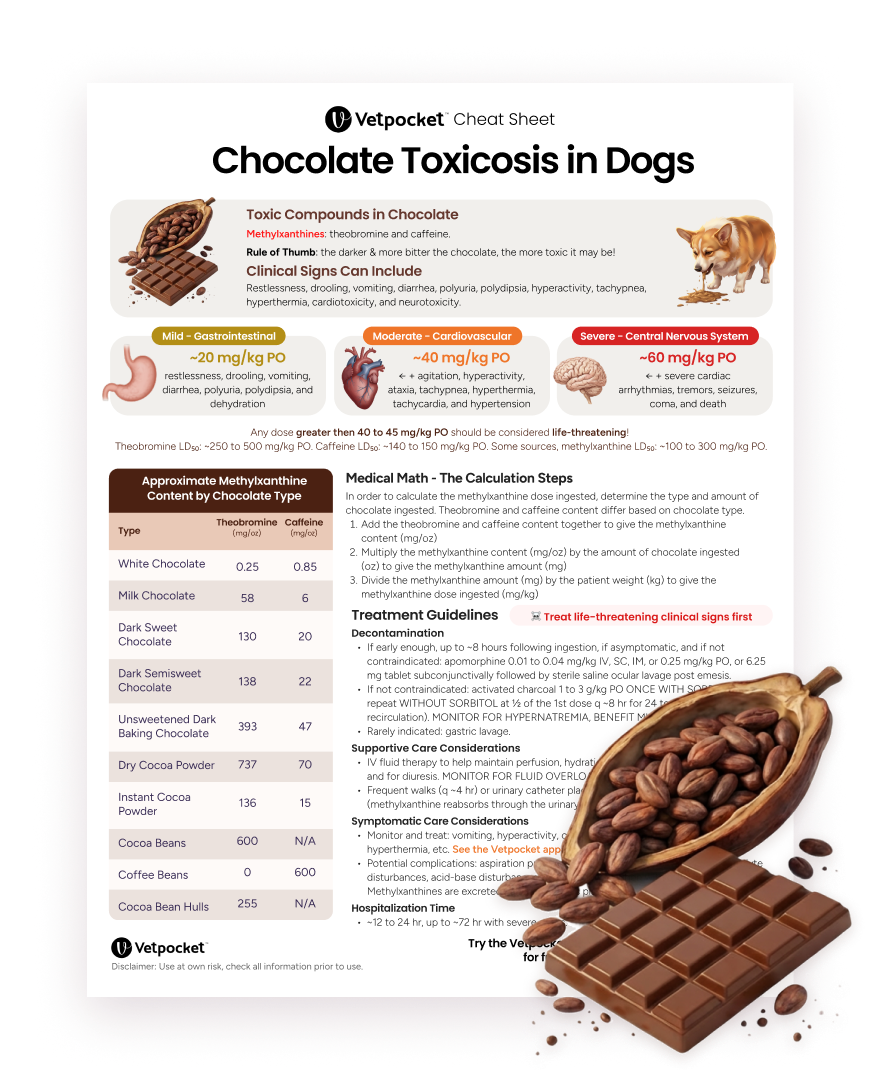
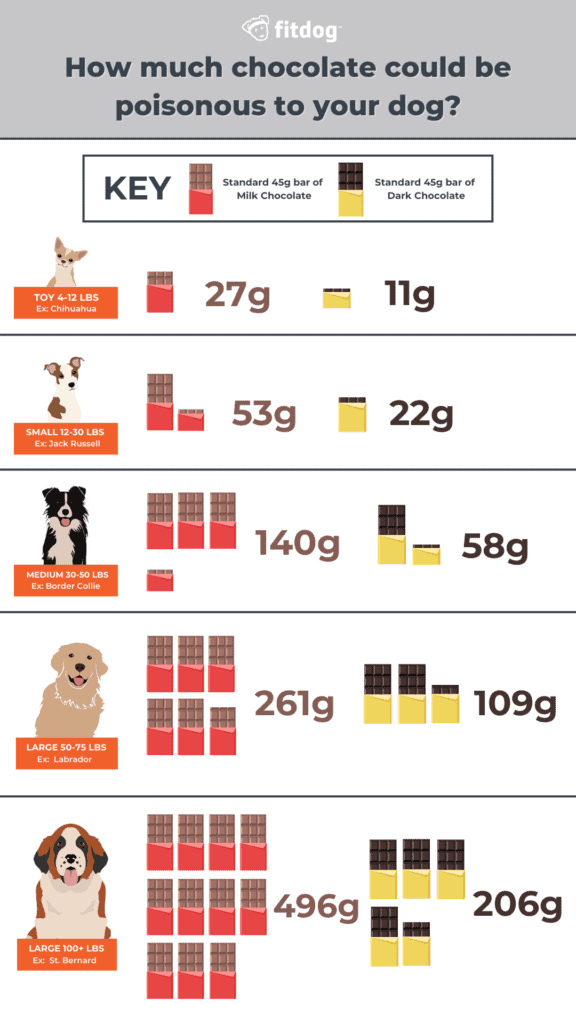
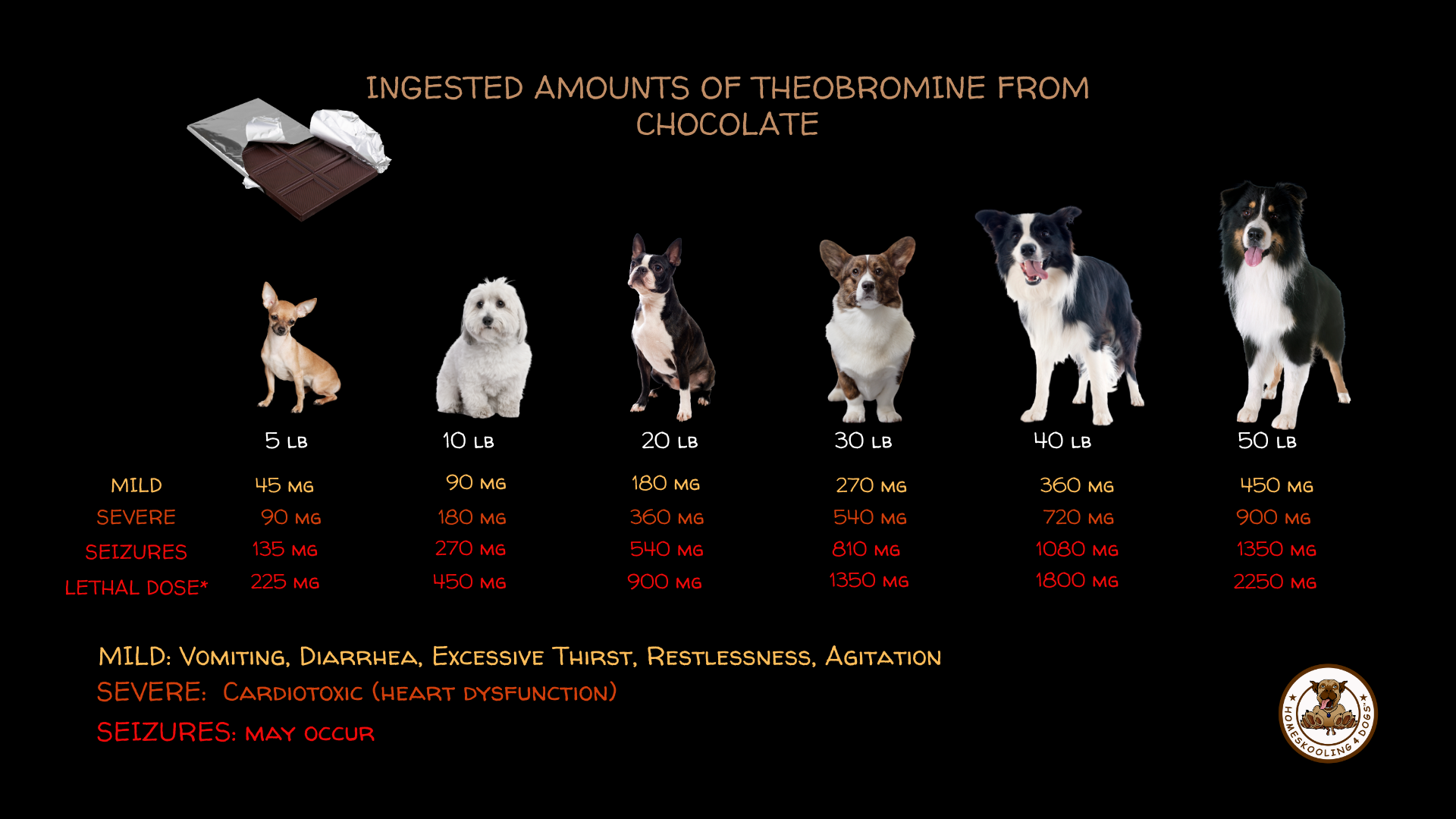
Accordingly, less than 1 oz of milk chocolate /lb (2 oz/kg) is potentially lethal to dogs; for baking (unsweetened) chocolate , less than 0.1 oz/lb (0.2 ounces/kg) is potentially lethal. Methylxanthines can cross the placenta and pass into the milk,4 so unborn or nursing offspring can be affected by chocolate toxicosis in the dam.3
Chocolate Toxicosis In Geriatric Canines
As we can see from the illustration, Chocolate Toxicosis In Geriatric Canines has many fascinating aspects to explore.
Chocolate toxicosis in pets
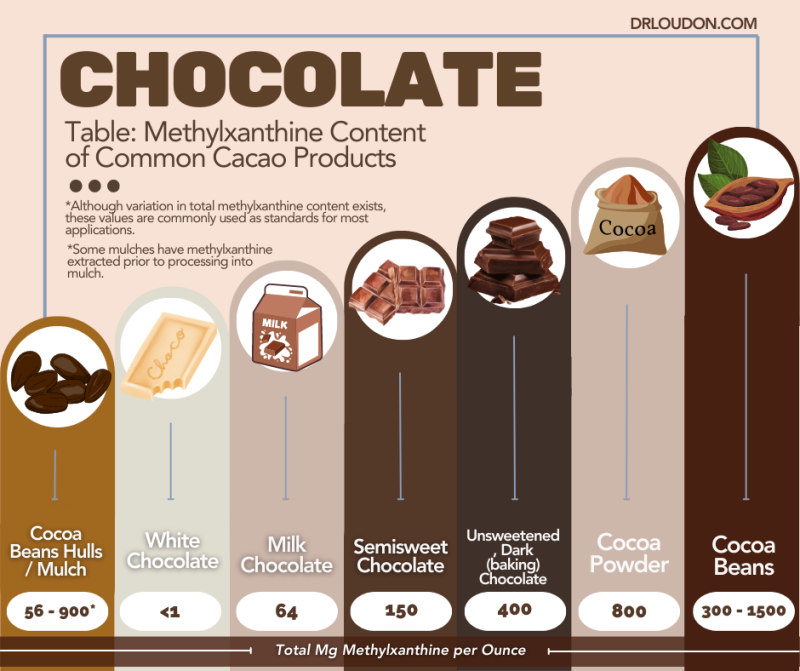
Chocolate is made from the fermented, dried then roasted beans of Theobroma cacao (Figure 1). After roasting, the shell is removed, and the remaining nibs are ground to cocoa mass which is liquefied to produce chocolate liquor. This can then be processed into cocoa solids and cocoa butter. Cocoa nibs (cacao nibs) are roasted, cracked deshelled beans in broken pieces.
Chocolate Toxicosis In Geriatric Canines
This particular example perfectly highlights why Chocolate Toxicosis In Geriatric Canines is so captivating.
Chocolate Toxicosis (Methylxanthine Toxicosis) in Dogs