The Ultimate Collection: Circadian Entrainment Captured on Camera
Physiology of Circadian Entrainment
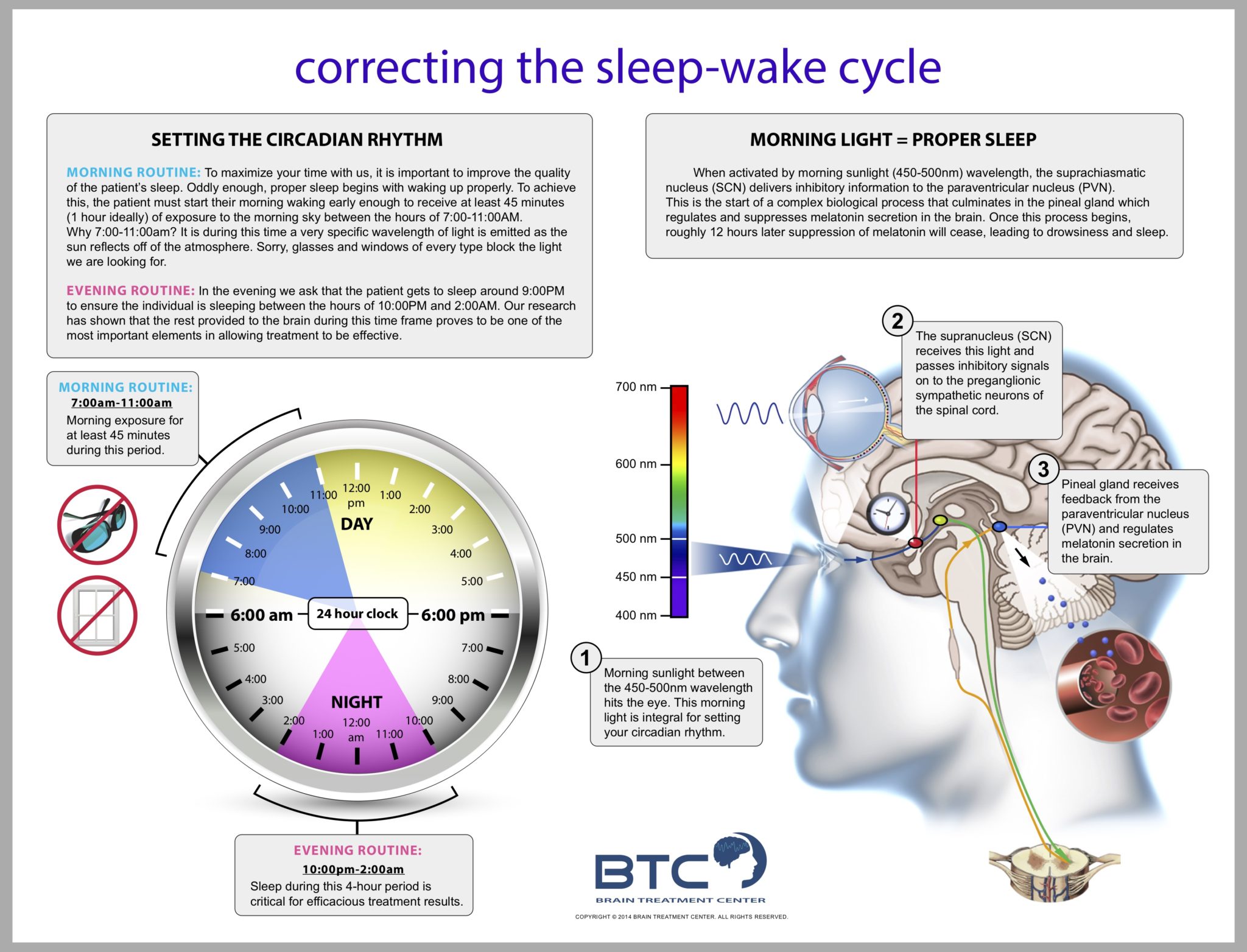
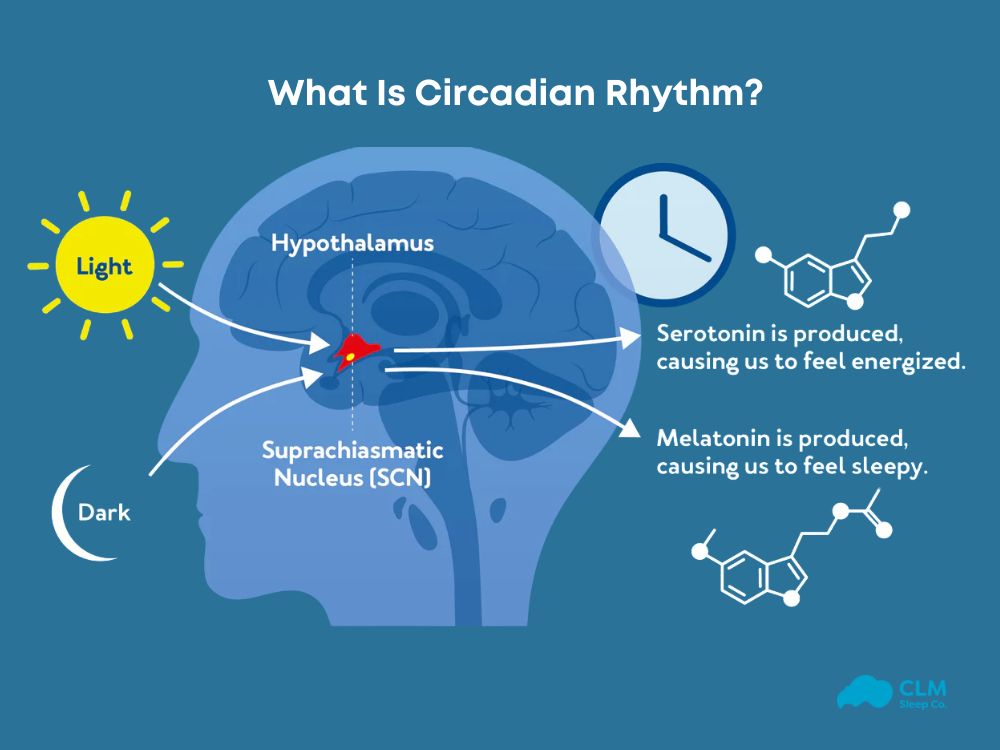
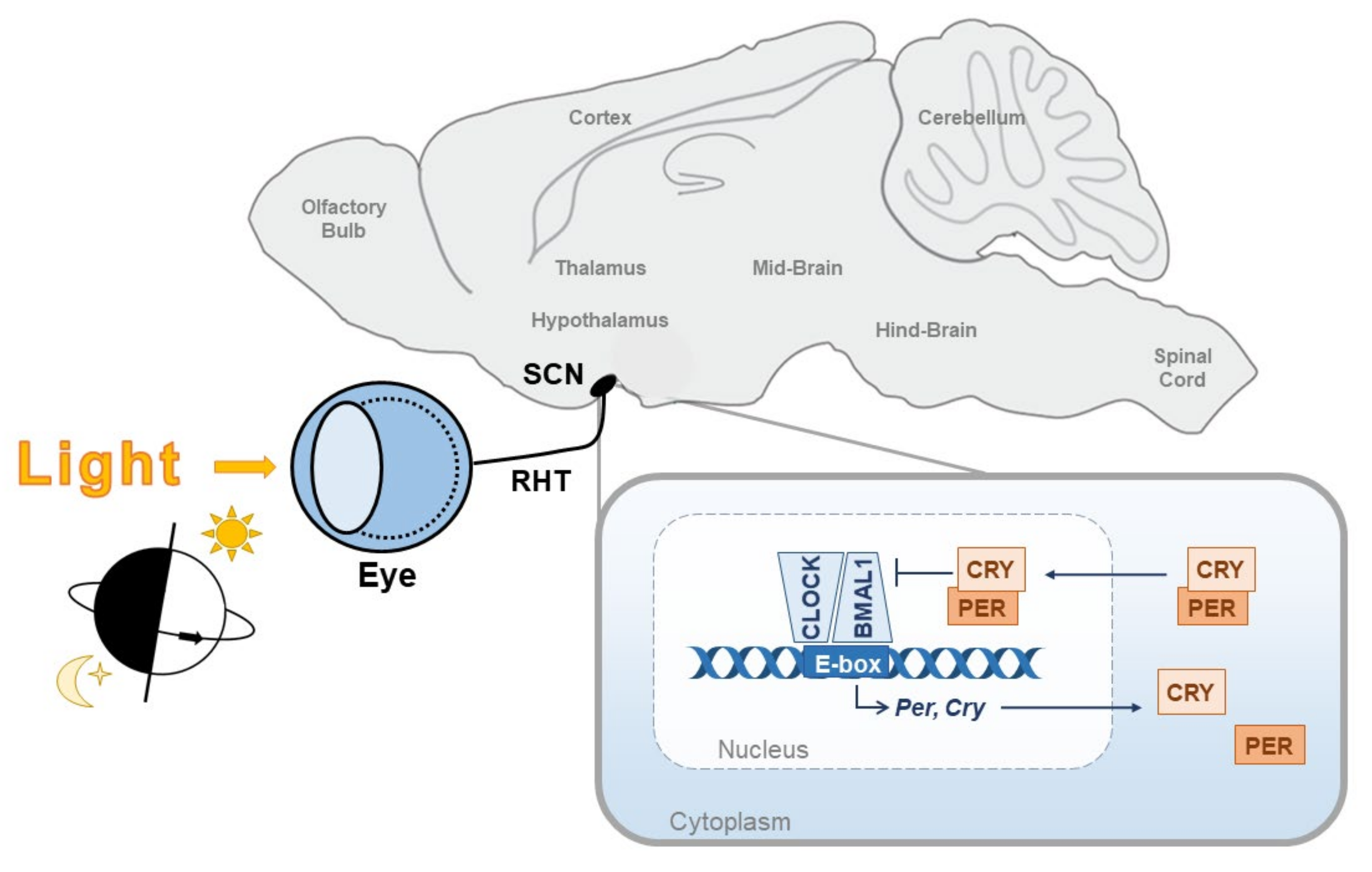
Mammalian circadian rhythms are controlled by endogenous biological oscillators, including a master clock located in the hypothalamic suprachiasmatic nuclei (SCN). Since the period of this oscillation is of ∼24 h, to keep synchrony with the environment, circadian rhythms need to be entrained daily by means of Zeitgeber ("time giver") signals, such as the light-dark cycle. Recent advances ...
Entrainment (chronobiology)
Circadian Entrainment
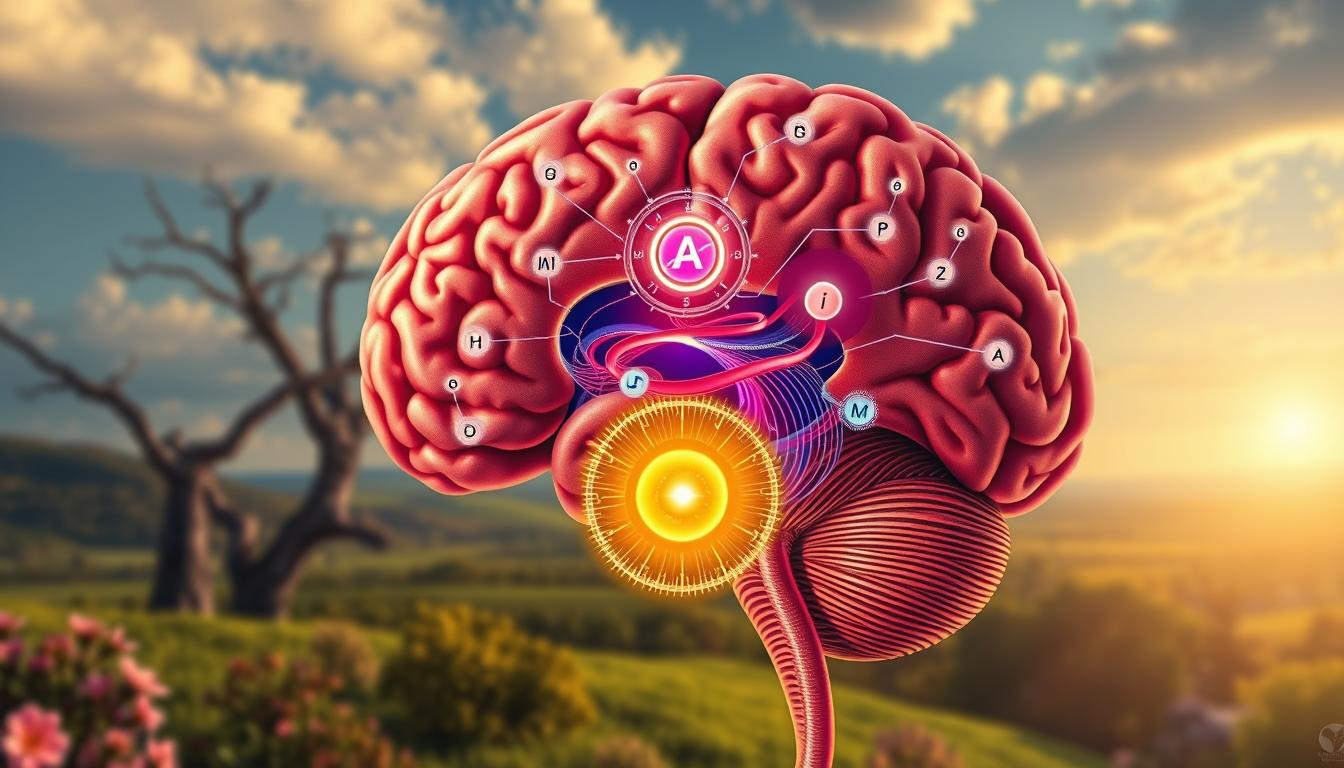
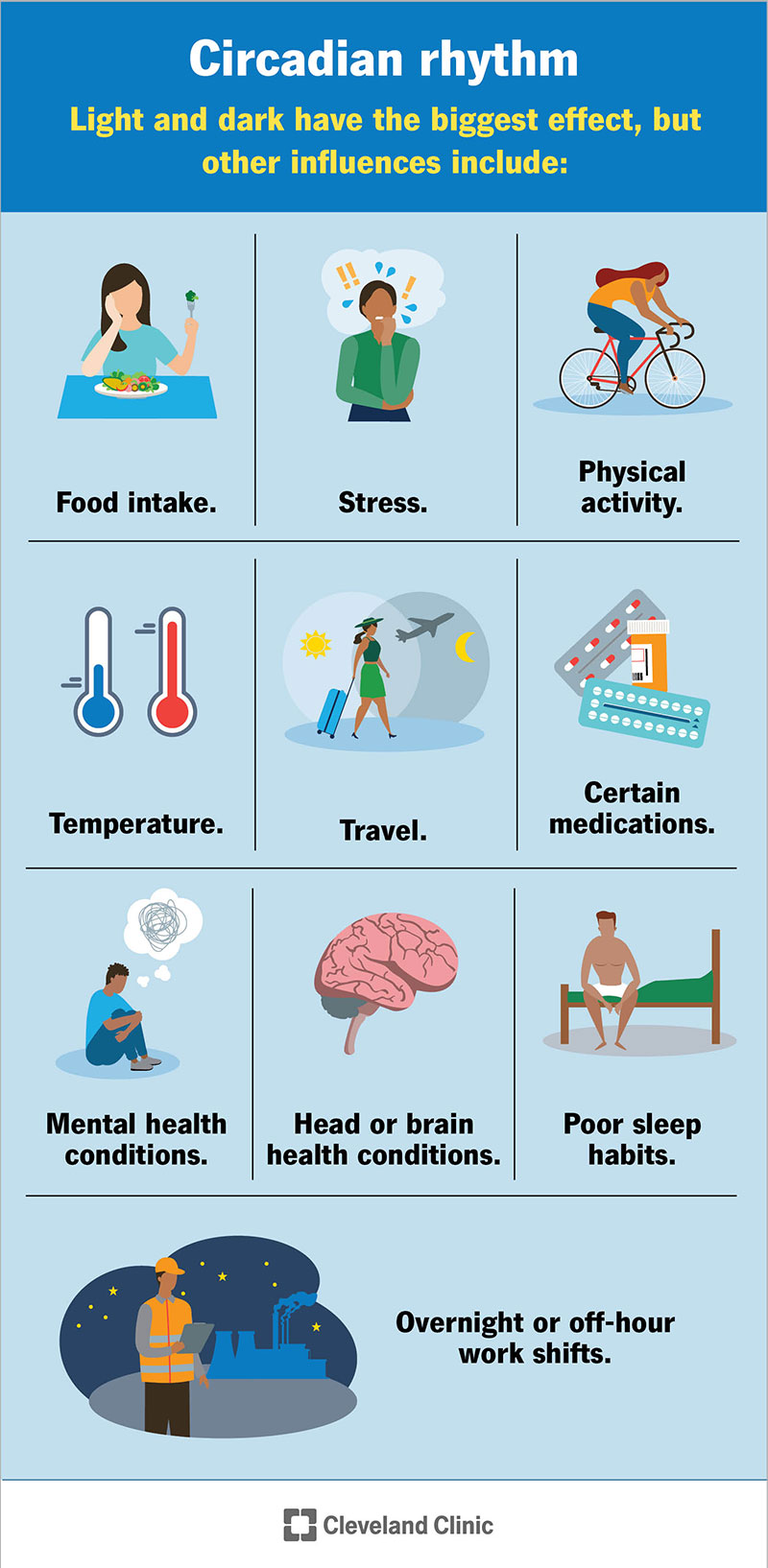
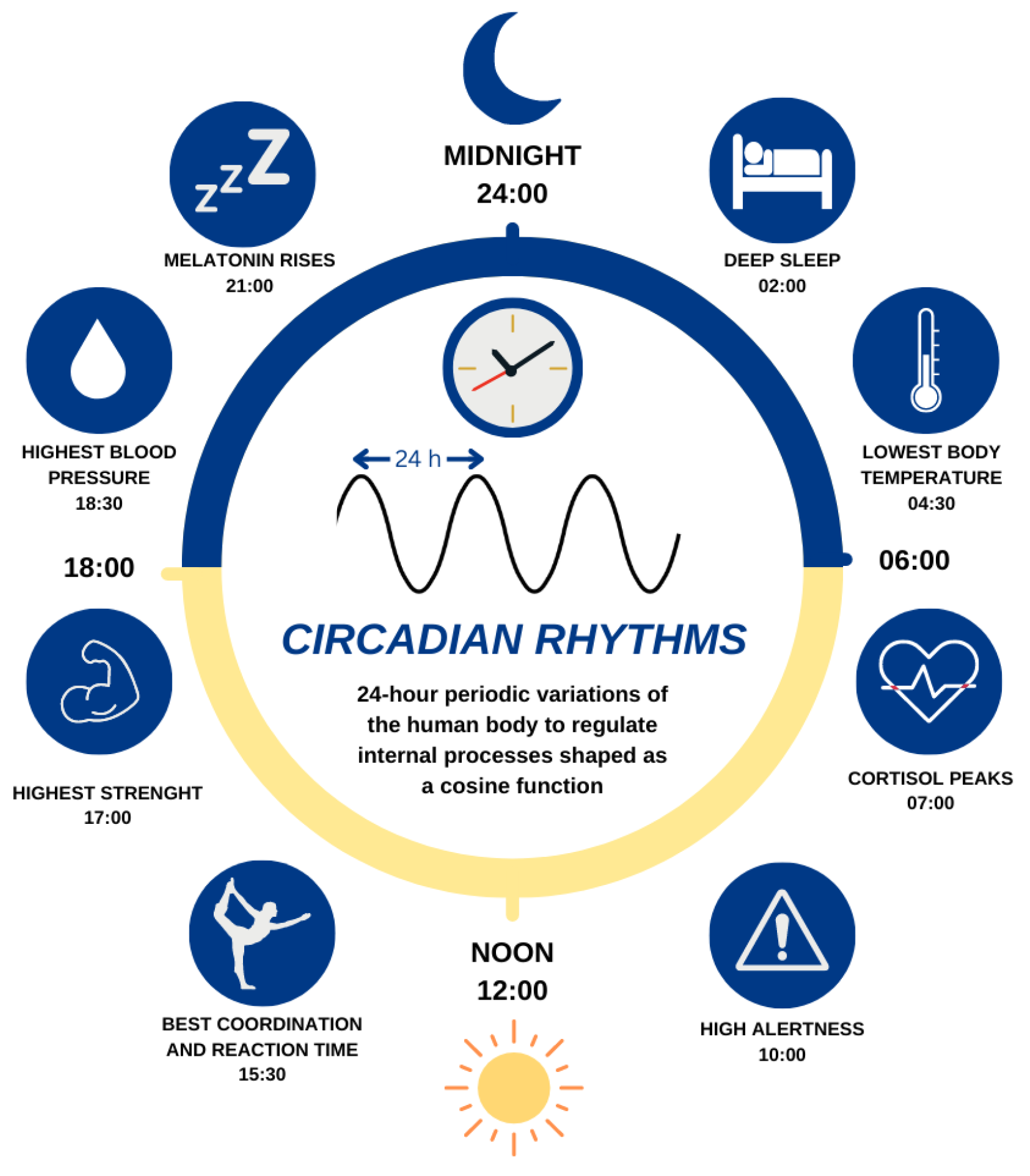
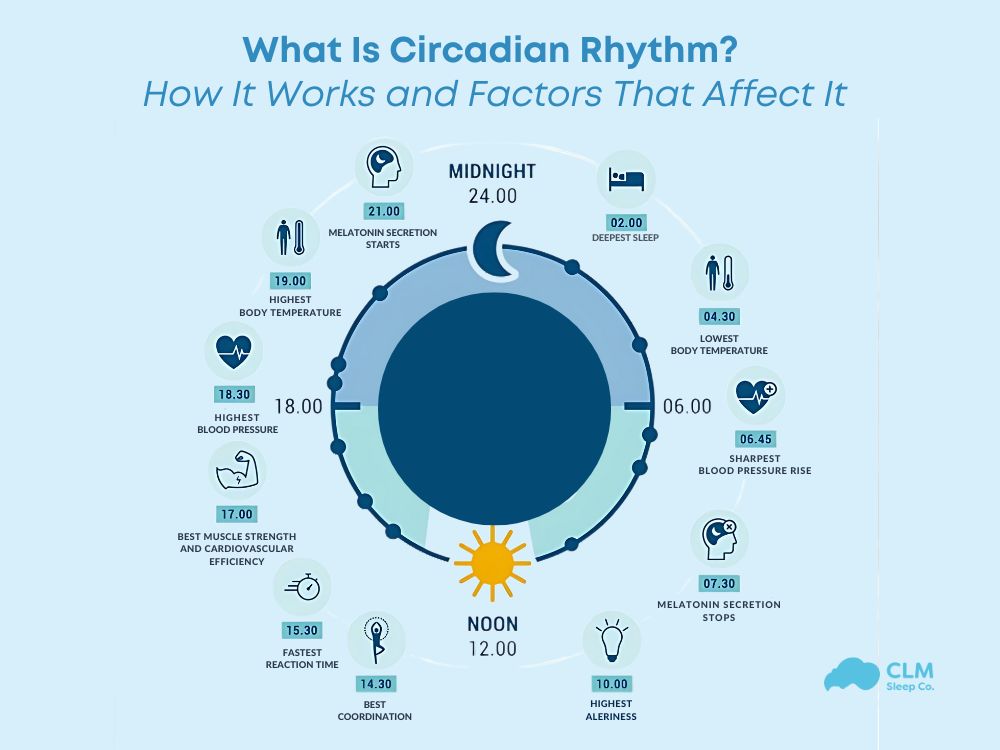
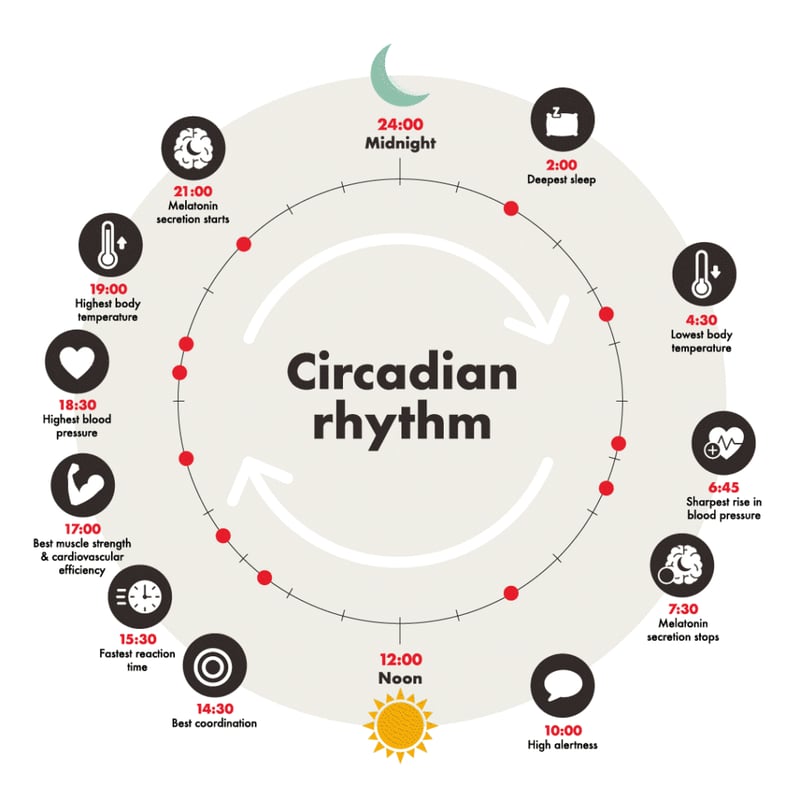
As we can see from the illustration, Circadian Entrainment has many fascinating aspects to explore.
In the study of chronobiology, entrainment refers to the synchronization of a biological clock to an environmental cycle. An example is the interaction between circadian rhythms and environmental cues, such as light and temperature.
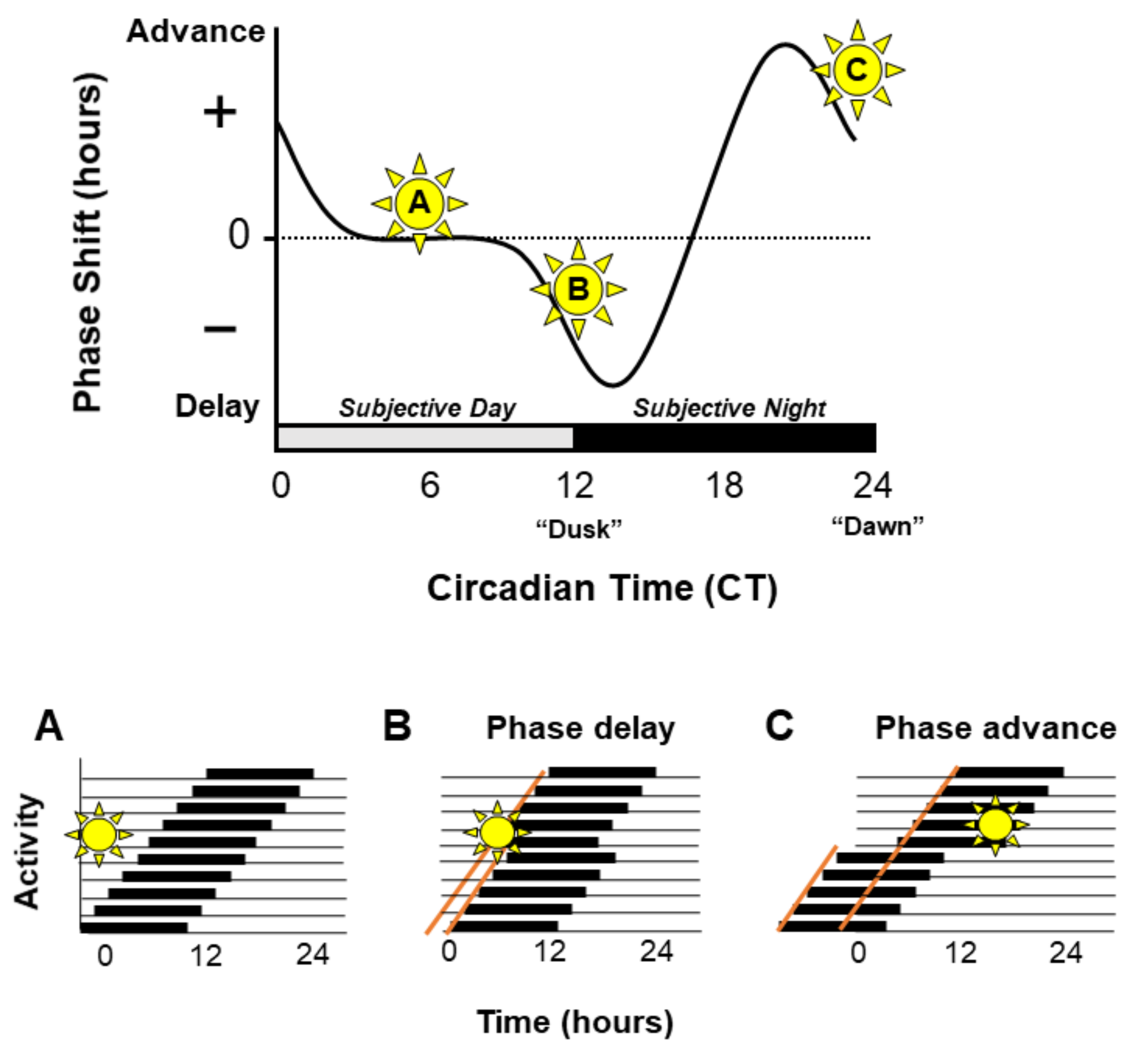
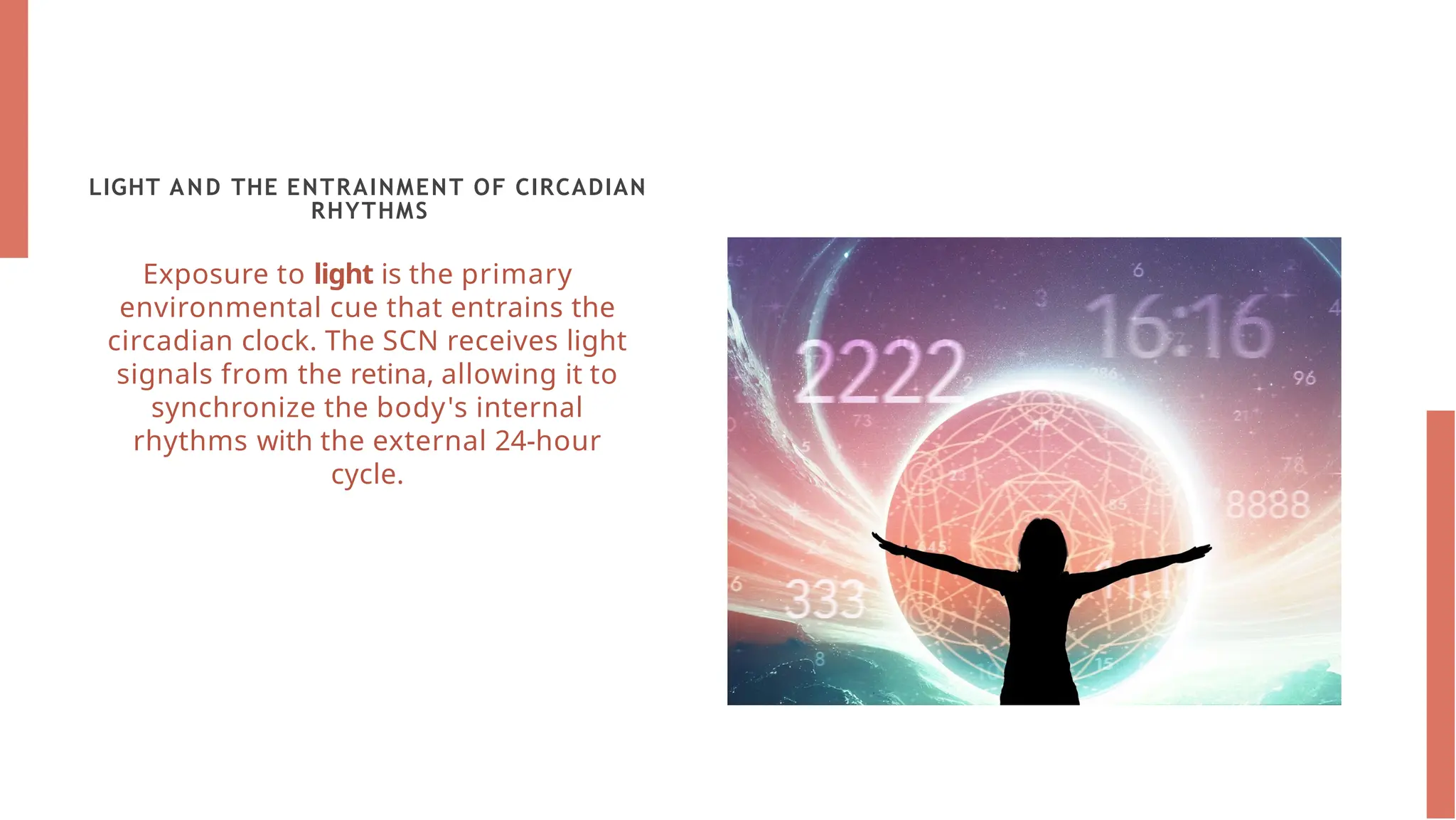
Light at dawn and dusk is the key signal for the entrainment of the circadian clock. Light at dusk delays the clock. Light at dawn advances the clock. The threshold for human entrainment requires relatively bright light for a long duration, but the precise irradiance/duration relationships for photoentrainment have yet to be fully defined. Photoentrainment is achieved by a network of ...
Circadian Entrainment
Such details provide a deeper understanding and appreciation for Circadian Entrainment.
The Entrainment of Circadian Systems
Circadian entrainment is a fundamental property by which the period of the internal biological clock is entrained by recurring exogenous signals, such that the organism's endocrine and behavioral rhythms are synchronized to environmental cues.