Cognitive-Behavioral Therapy For Managing Dopamine-Induced Substance Abuse
Exploring the Wonders of Cognitive-Behavioral Therapy For Managing Dopamine-Induced Substance Abuse Through Photography
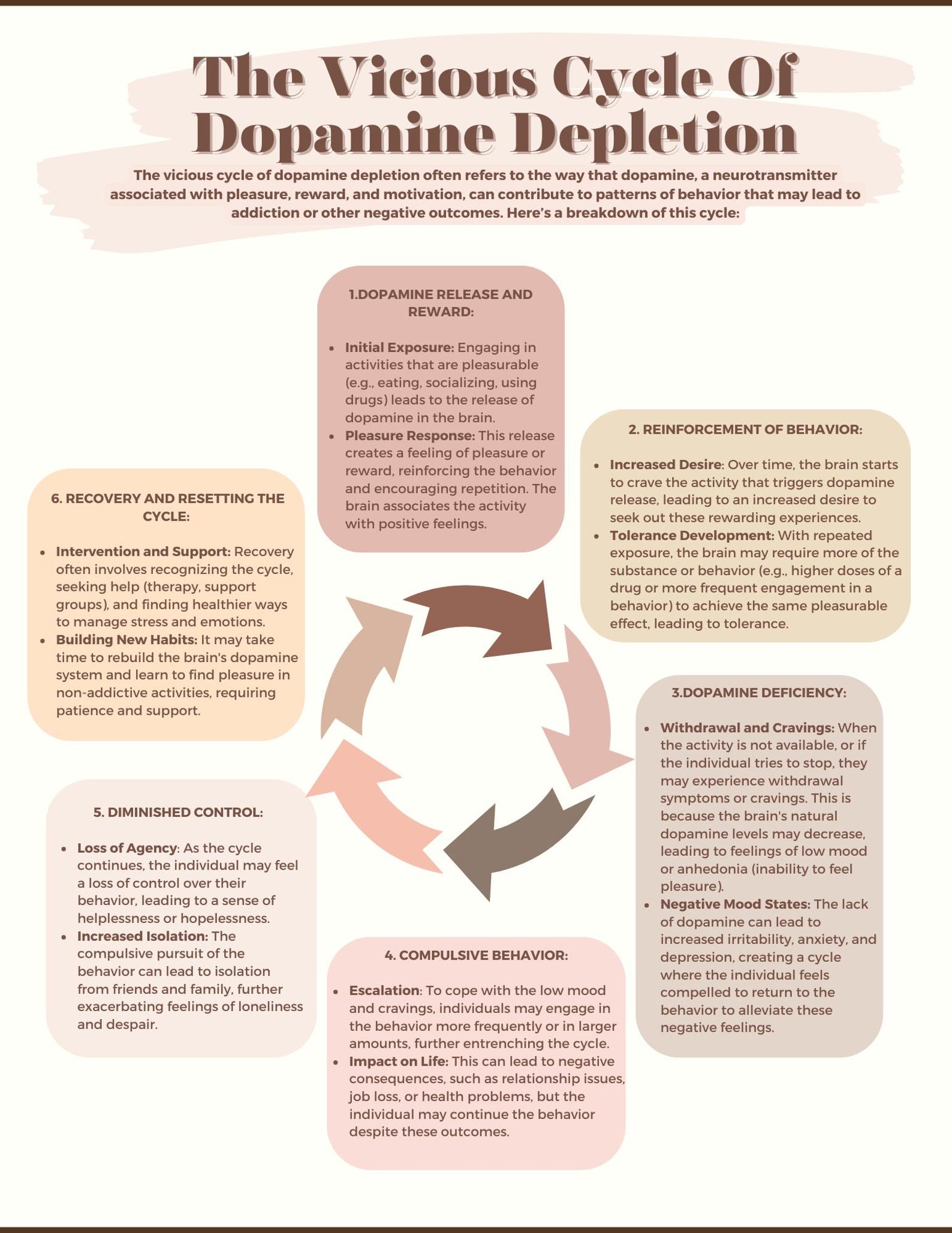
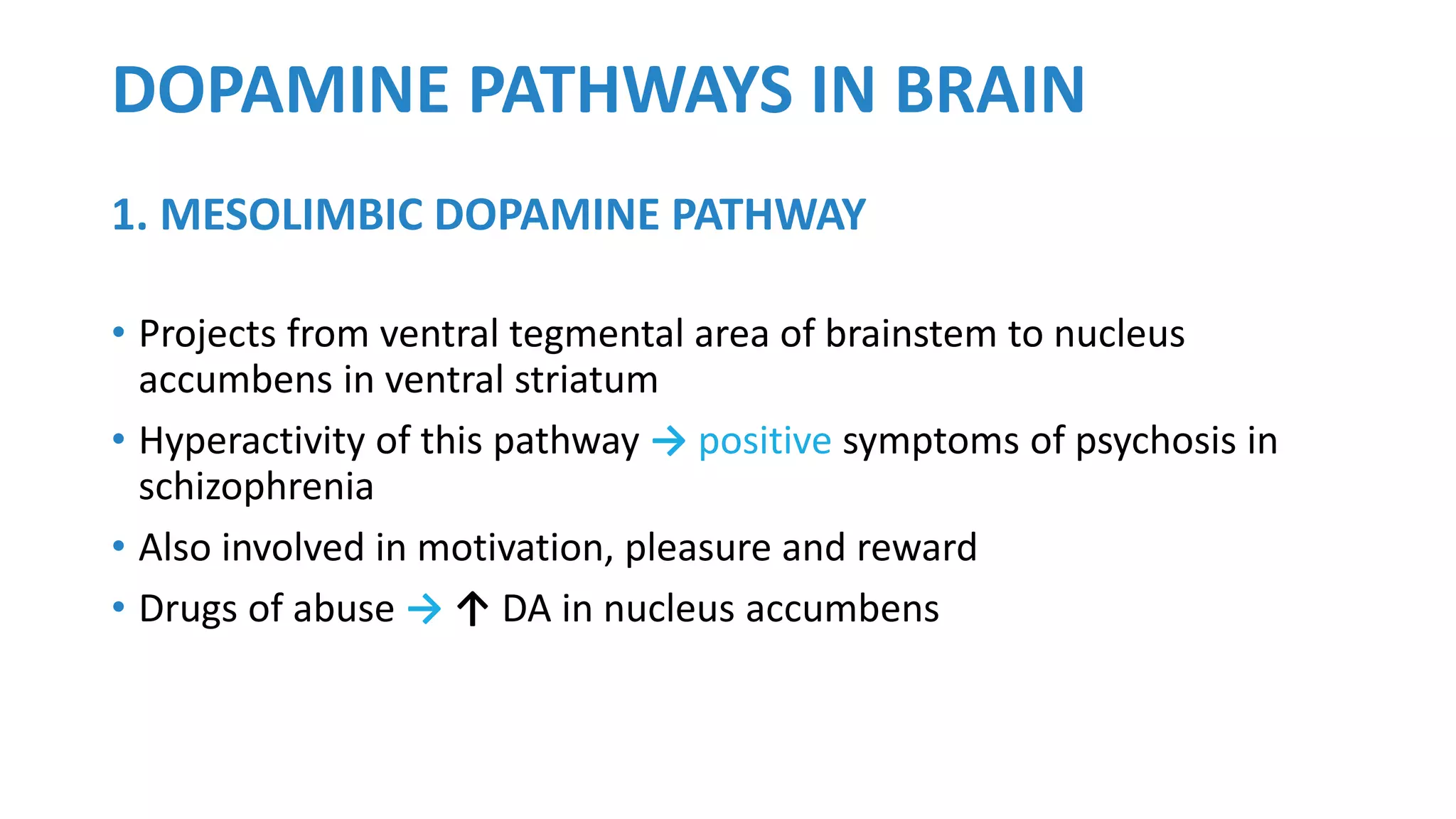
Dopamine Receptor Repair
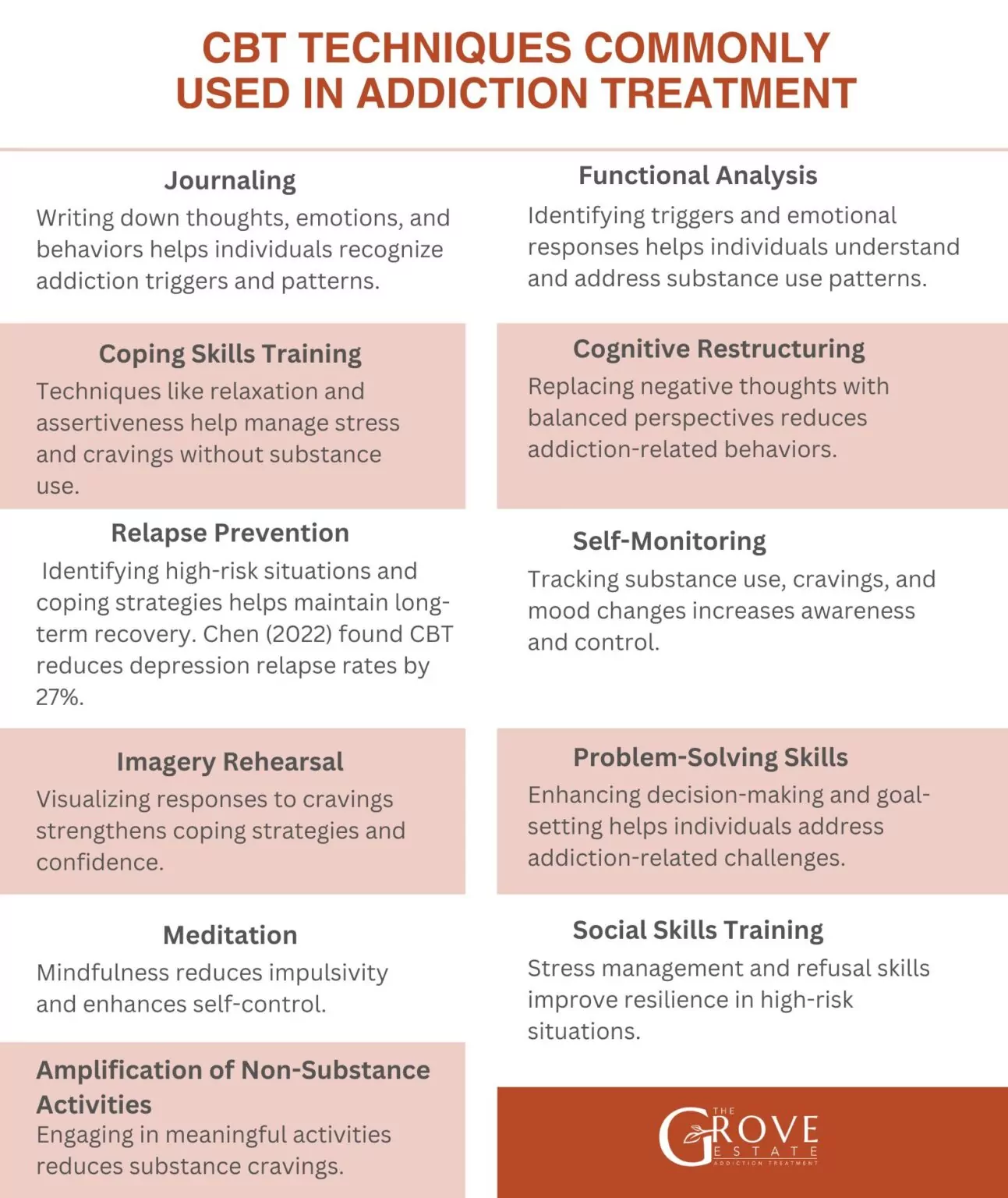
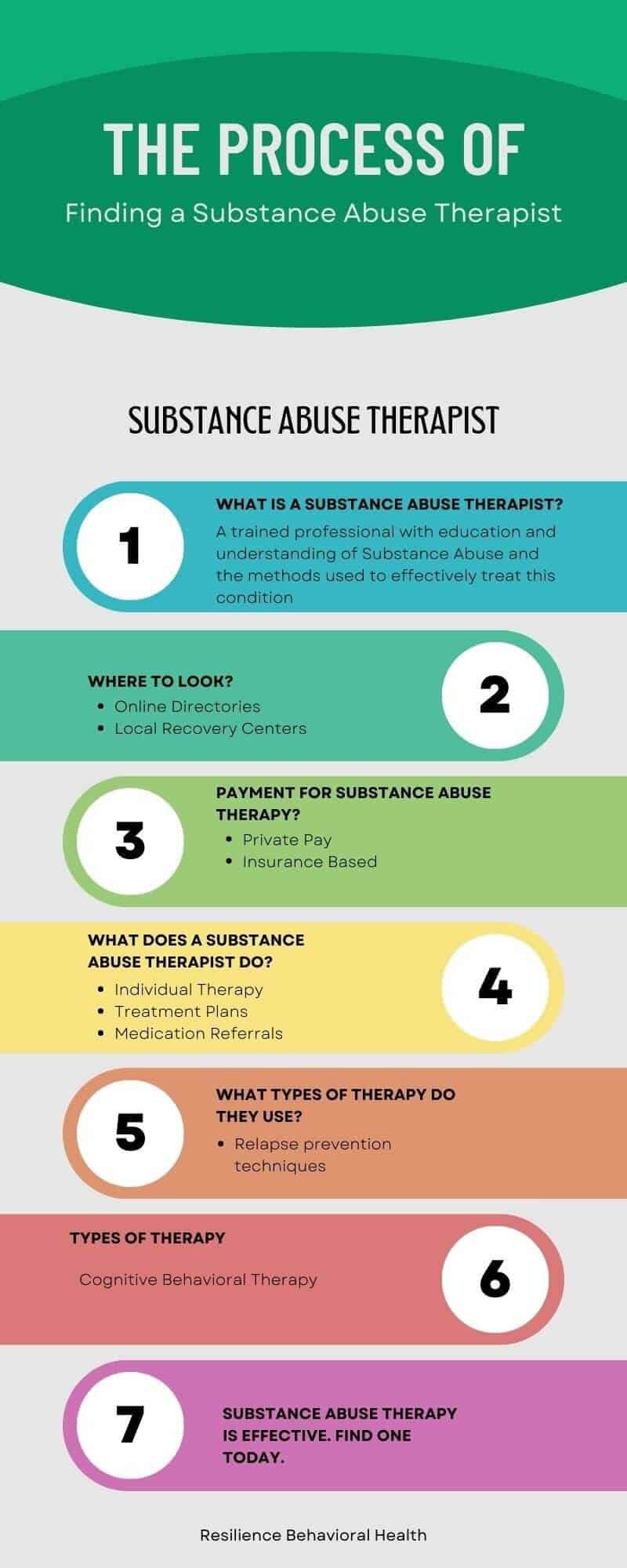
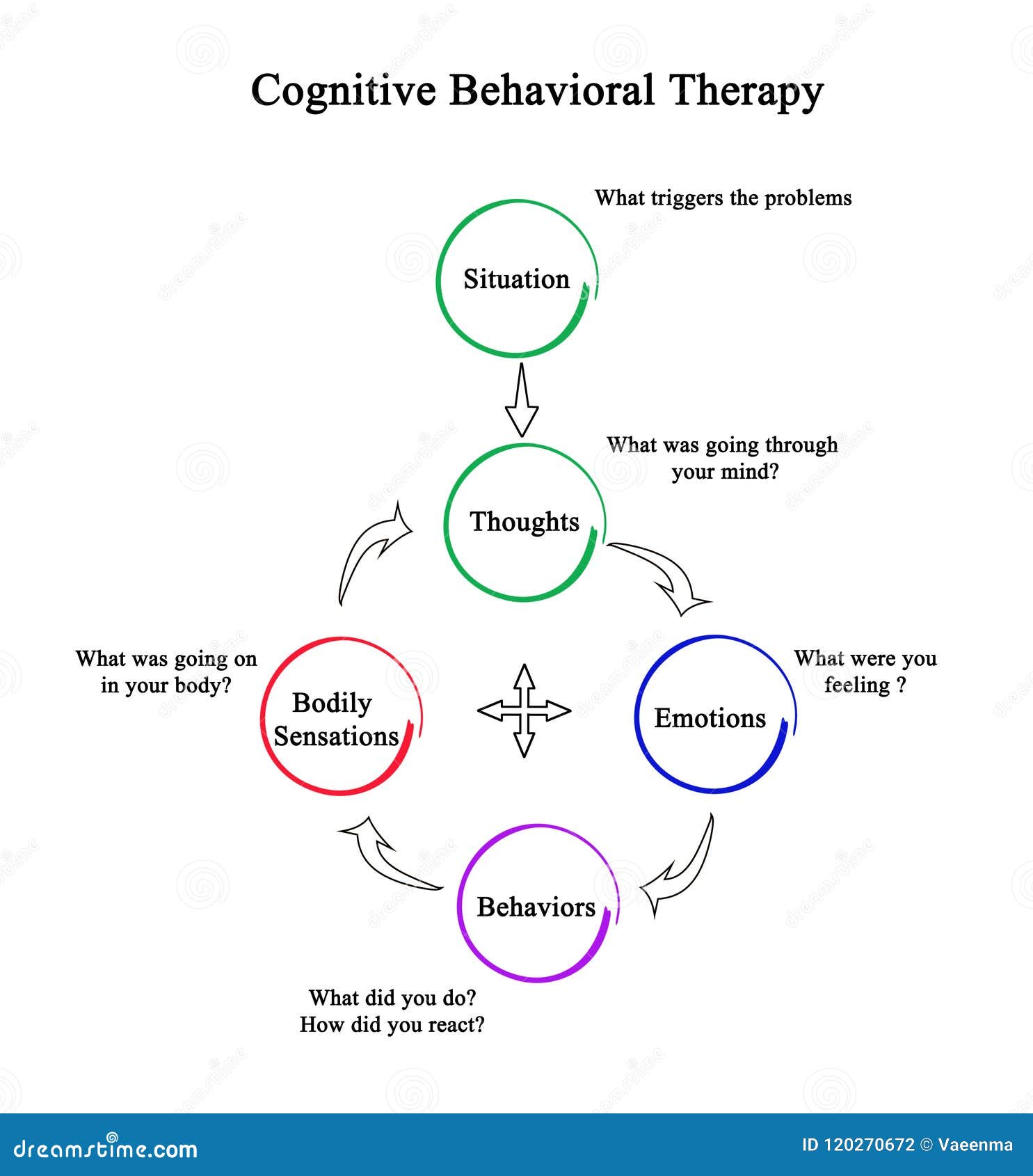
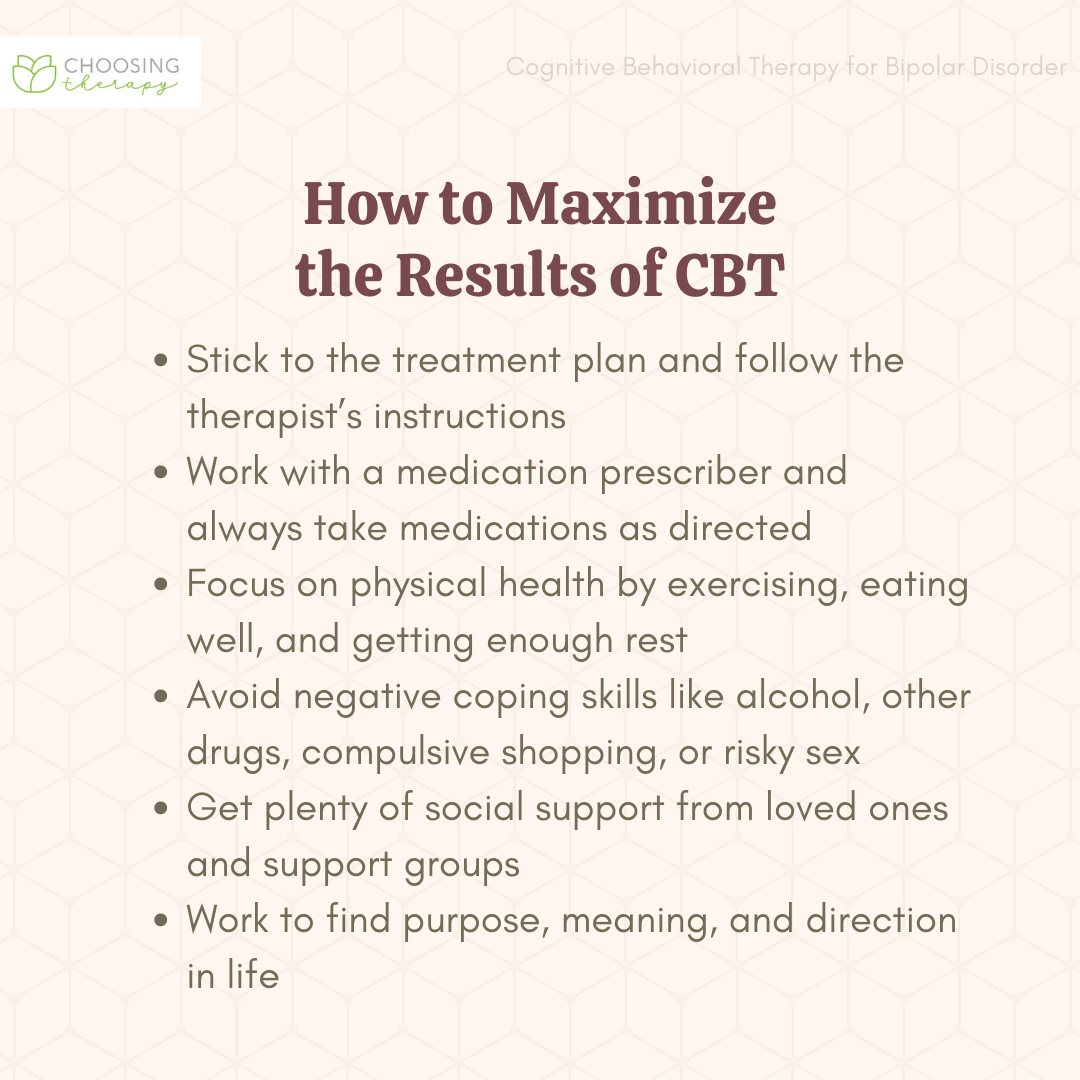
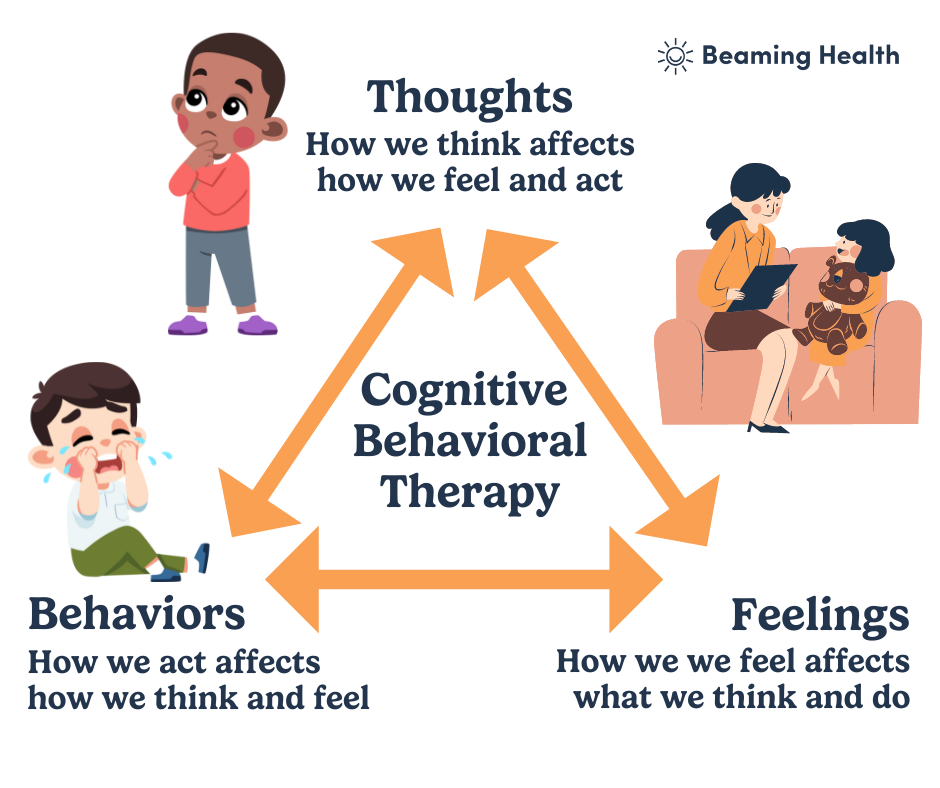
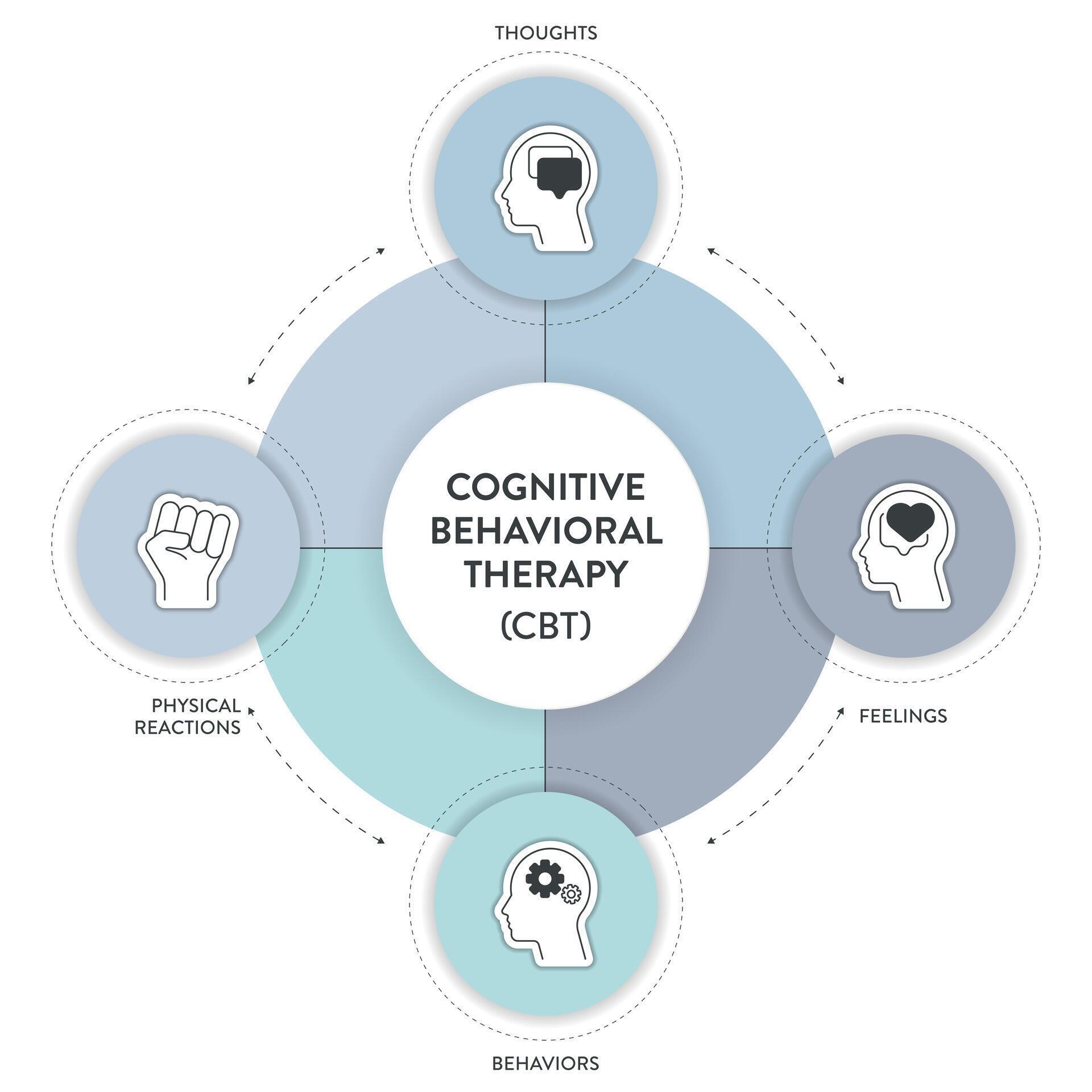
The role of therapy in managing dopamine -related issues cannot be overstated. Cognitive-behavioral therapy (CBT) and other forms of psychotherapy can help individuals understand and change the thought patterns and behaviors that contribute to addiction. Therapy can also provide tools for managing cravings and developing healthier coping mechanisms.
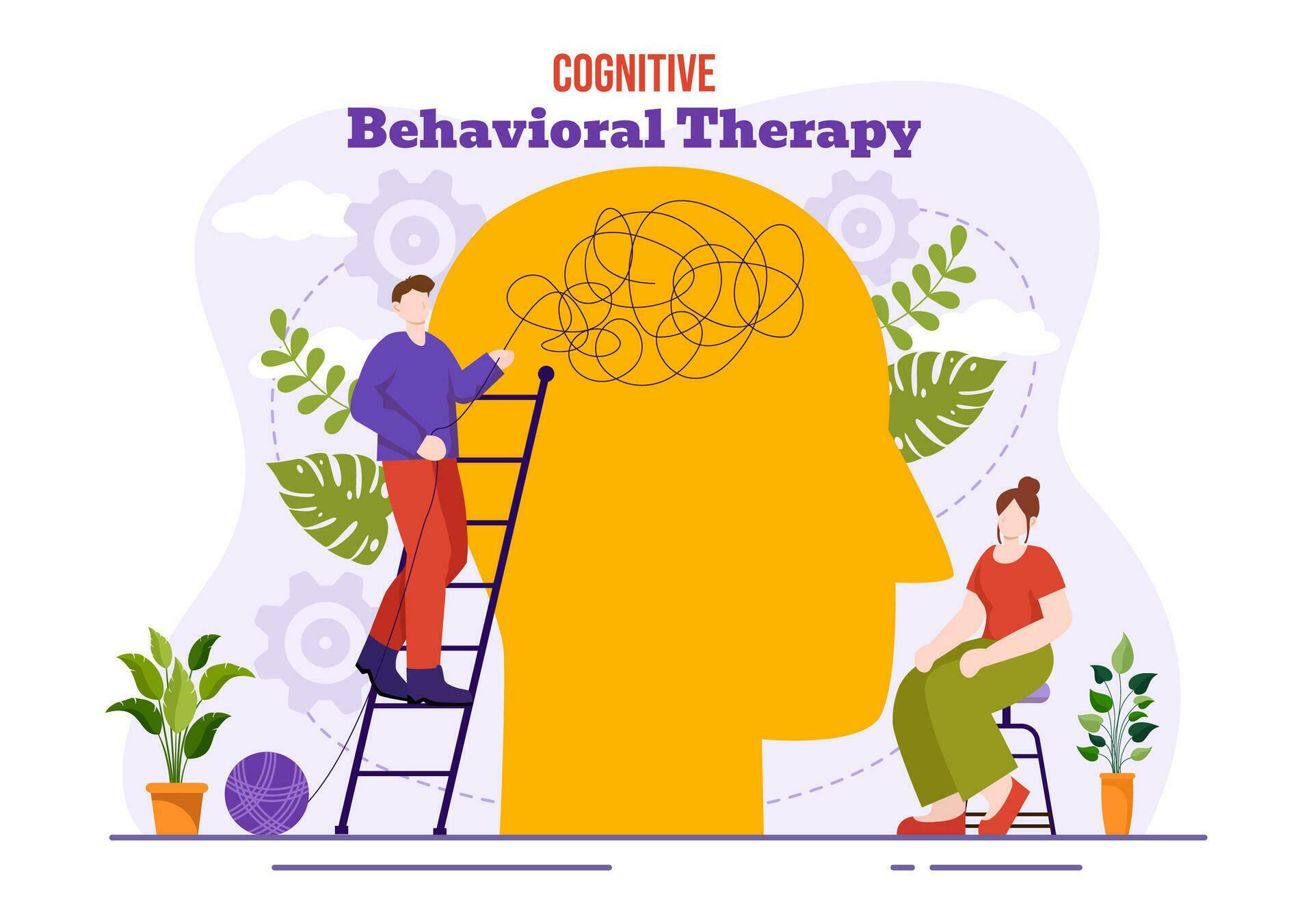
Cognitive-Behavioral Therapy For Managing Dopamine-Induced Substance Abuse
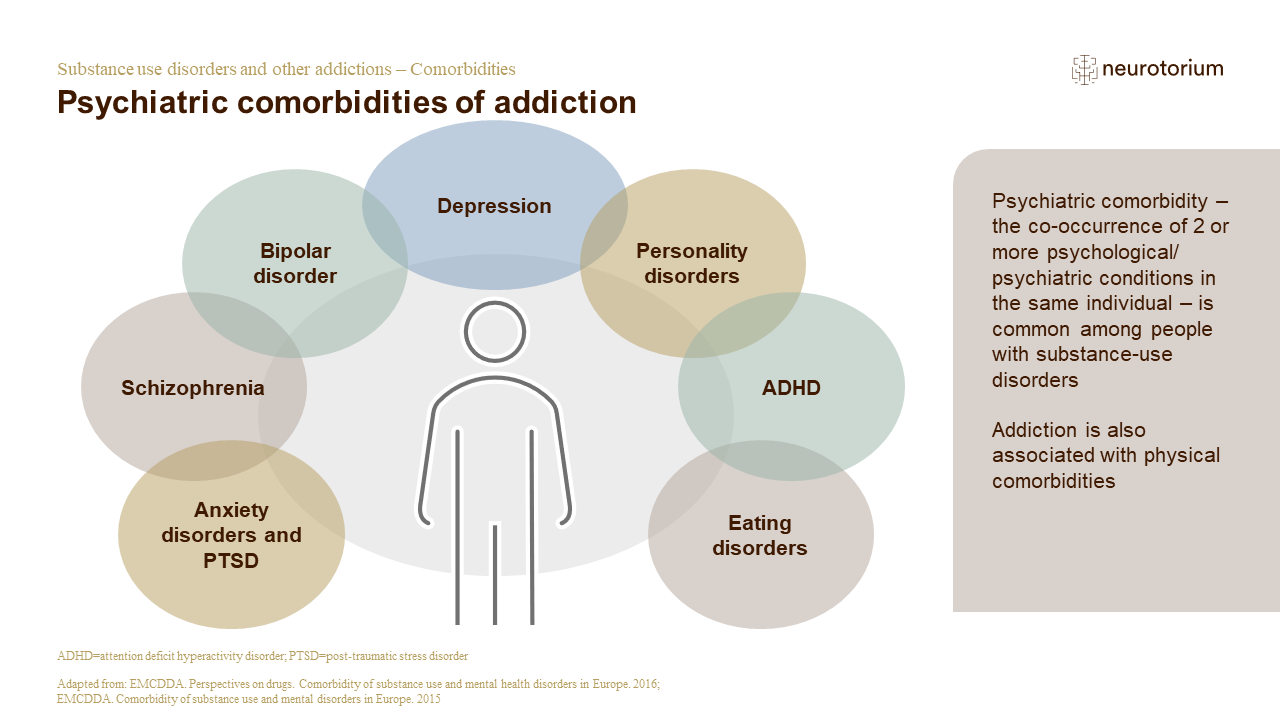
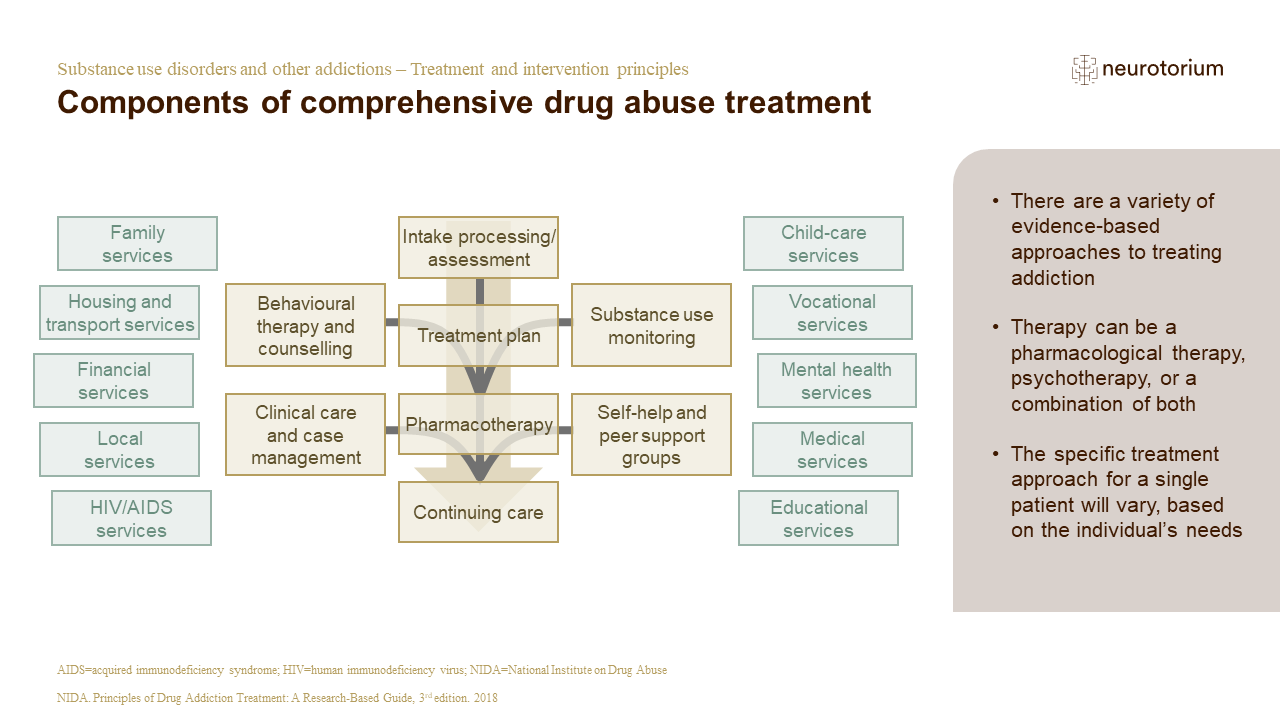
Advancements in addressing drug dependence
Cognitive-Behavioral Therapy For Managing Dopamine-Induced Substance Abuse
Furthermore, visual representations like the one above help us fully grasp the concept of Cognitive-Behavioral Therapy For Managing Dopamine-Induced Substance Abuse.
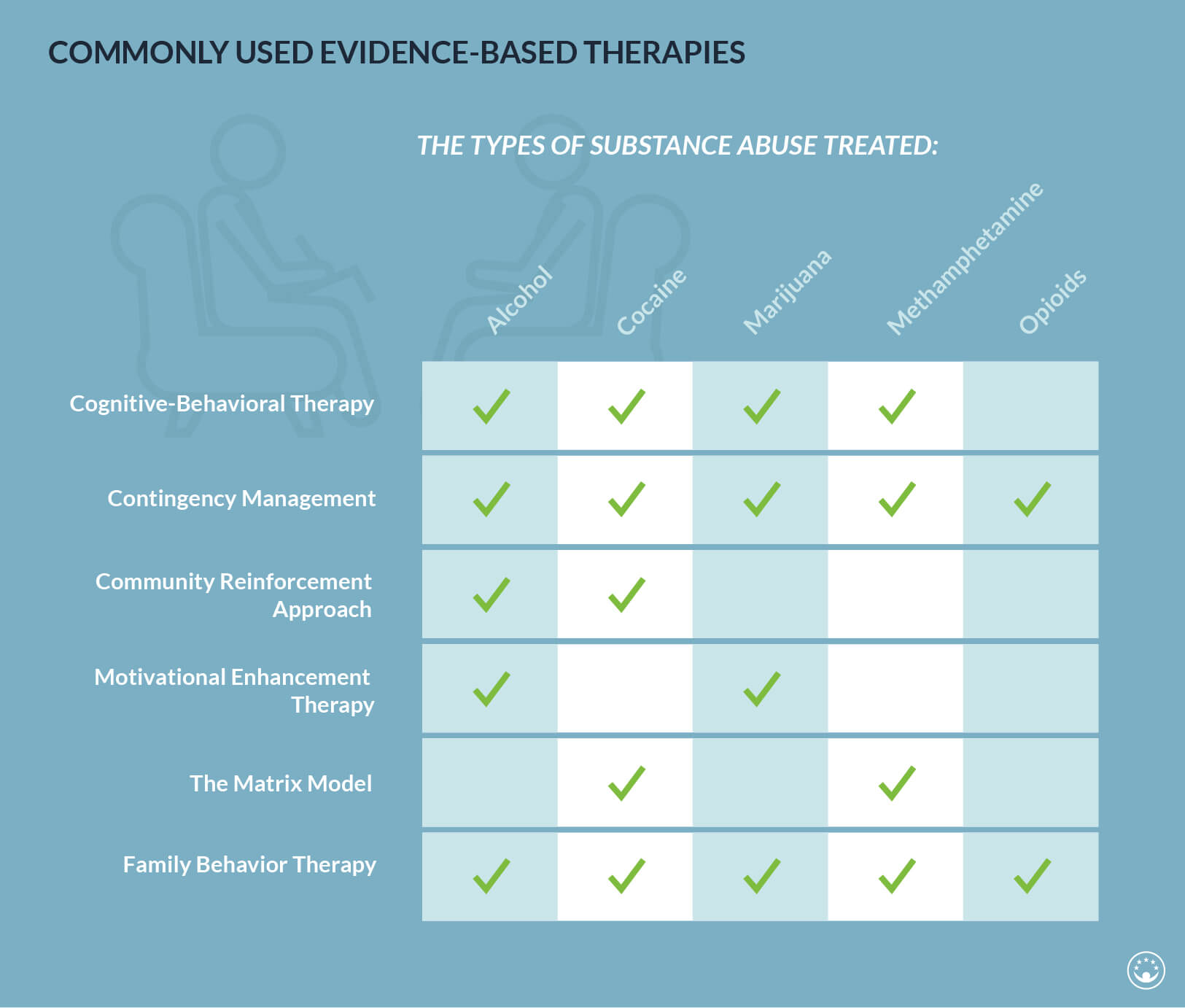
Cognitive-behavioral therapy (CBT), for instance, has emerged as a cornerstone of addiction treatment, with systematic reviews consistently demonstrating its effectiveness in reducing substance use and preventing relapse across various substances , including alcohol, cocaine, and opioids.