Sweden's district heating, a heating system based on reusing resources
District heating uses residual heat from various resources to produce up to 75% of Sweden's heating demand . It is one of the most integrated and developed systems in the world, with the Scandinavian country leading the way in this field. This district heating system was originally developed as a complement to the energy supply in ...
Heating is an important aspect of energy use in Europe, accounting for approximately 50 % of their final energy demand (Mathiesen et al., 2019). European heating systems are mainly reliant on fossil fuels, particularly gas which supplies 42 % of heat demand (Kerr and Winskel, 2021). The UK, the Netherlands, and Germany are among the most gas-reliant countries - a reflection of the national ...

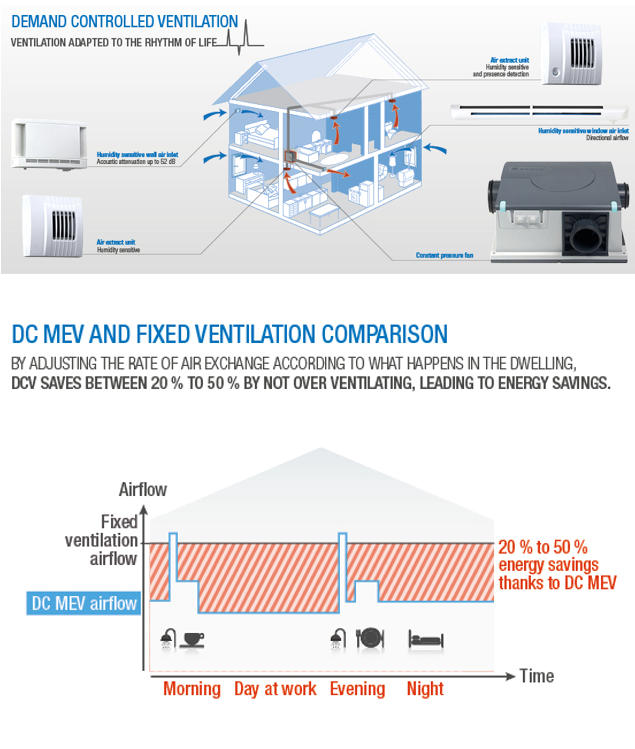
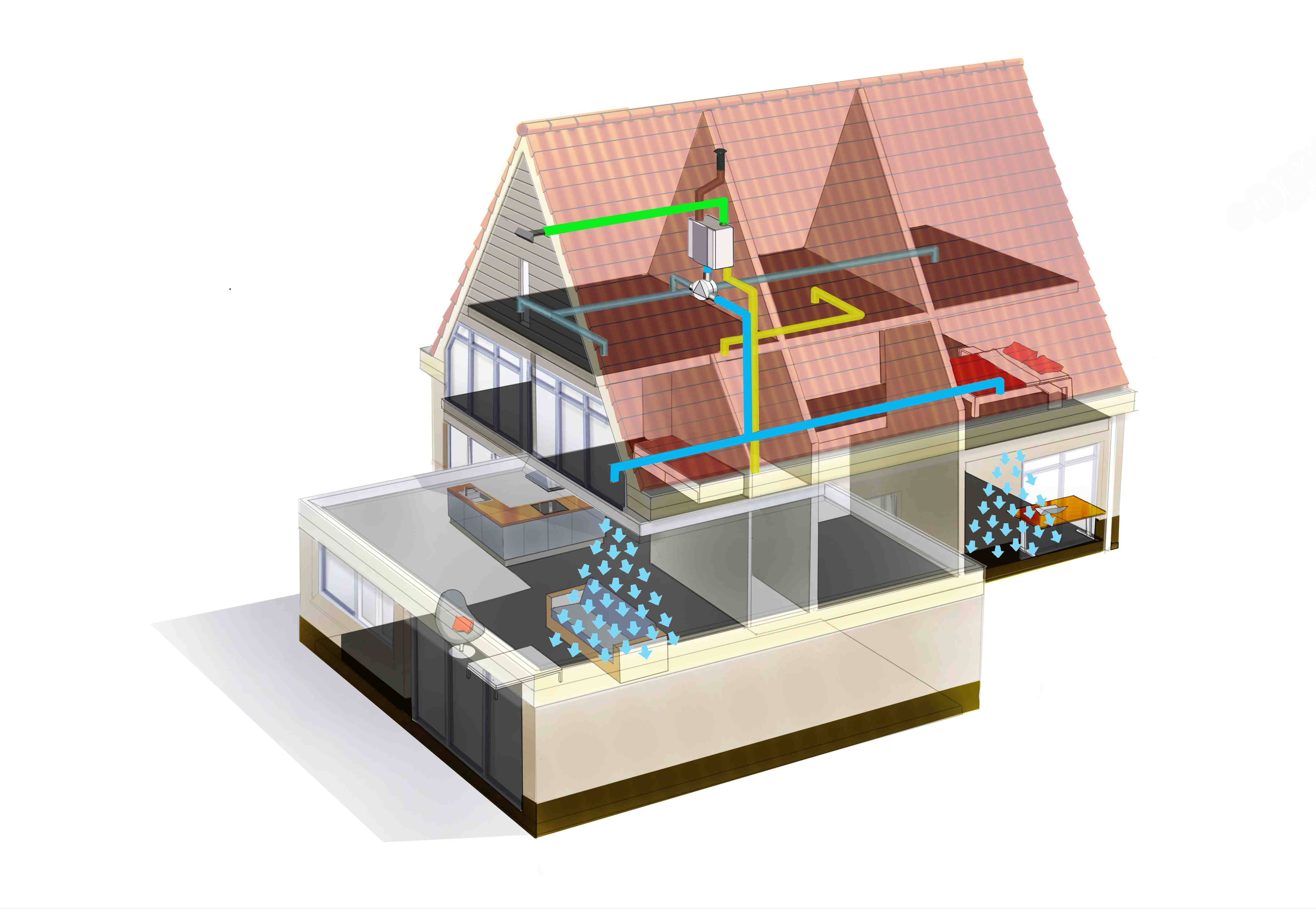
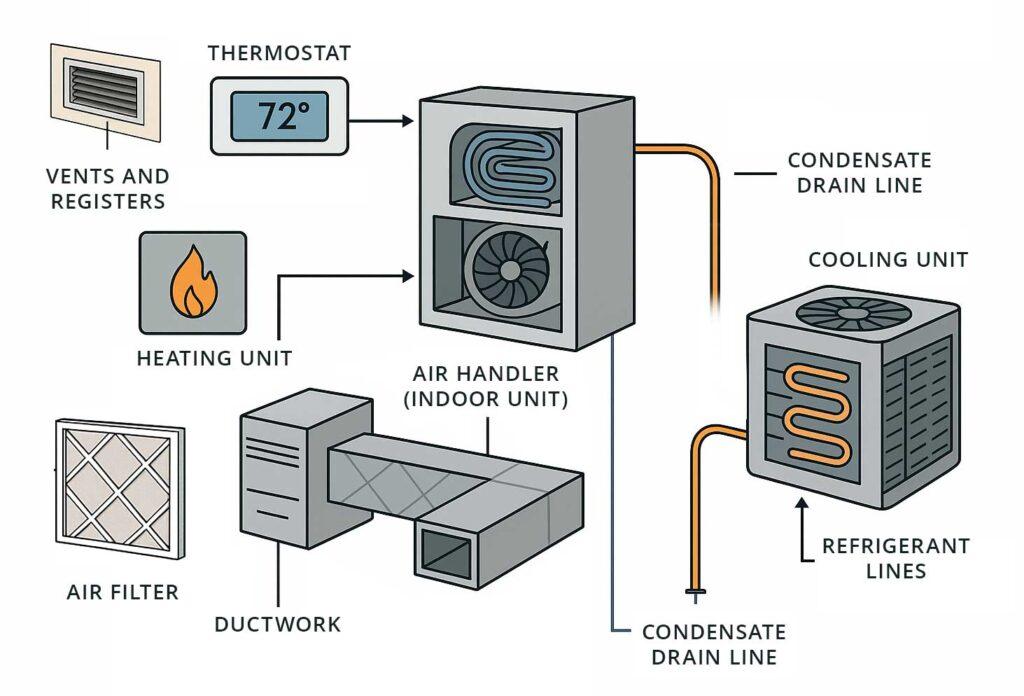
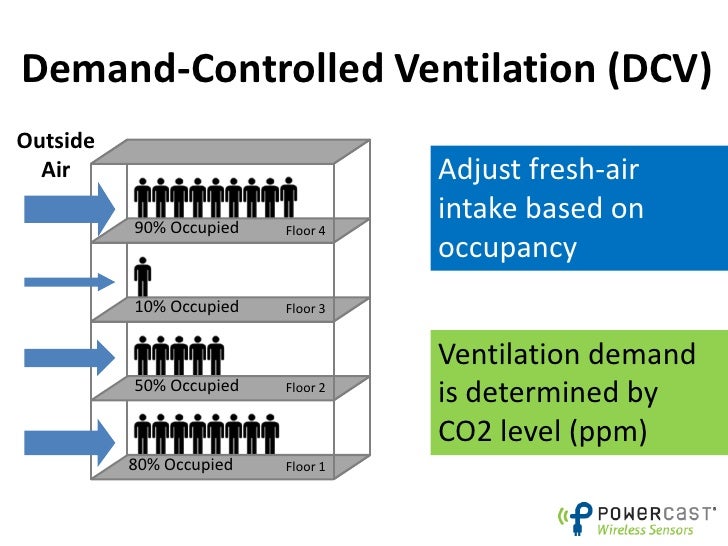
As we can see from the illustration, Demand-Controlled Heating Systems Scandinavian has many fascinating aspects to explore.
An Analysis of the Swedish District Heating (Fjrrvrme) and Cooling ...
Technology providers: advanced heat pumps, smart meters, and AI-driven optimization systems are in demand . Engineering and consultancy: expertise in energy efficiency, integration of renewables, and lifecycle analysis is valuable. Investment partners: collaboration with local utilities for infrastructure upgrades or expansion into new areas.

Demand response has been noted as a major element of future smart energy systems . However, there is still a lack of knowledge about the demand response actions in different conditions—including climate, dynamic energy price, and building types. This study examines energy and cost saving potential of the rule-based demand response in district heating network, in three different building types ...