Enabling Organizations To Automate Security Workflows
Mastering the Concepts of Enabling Organizations To Automate Security Workflows Visually
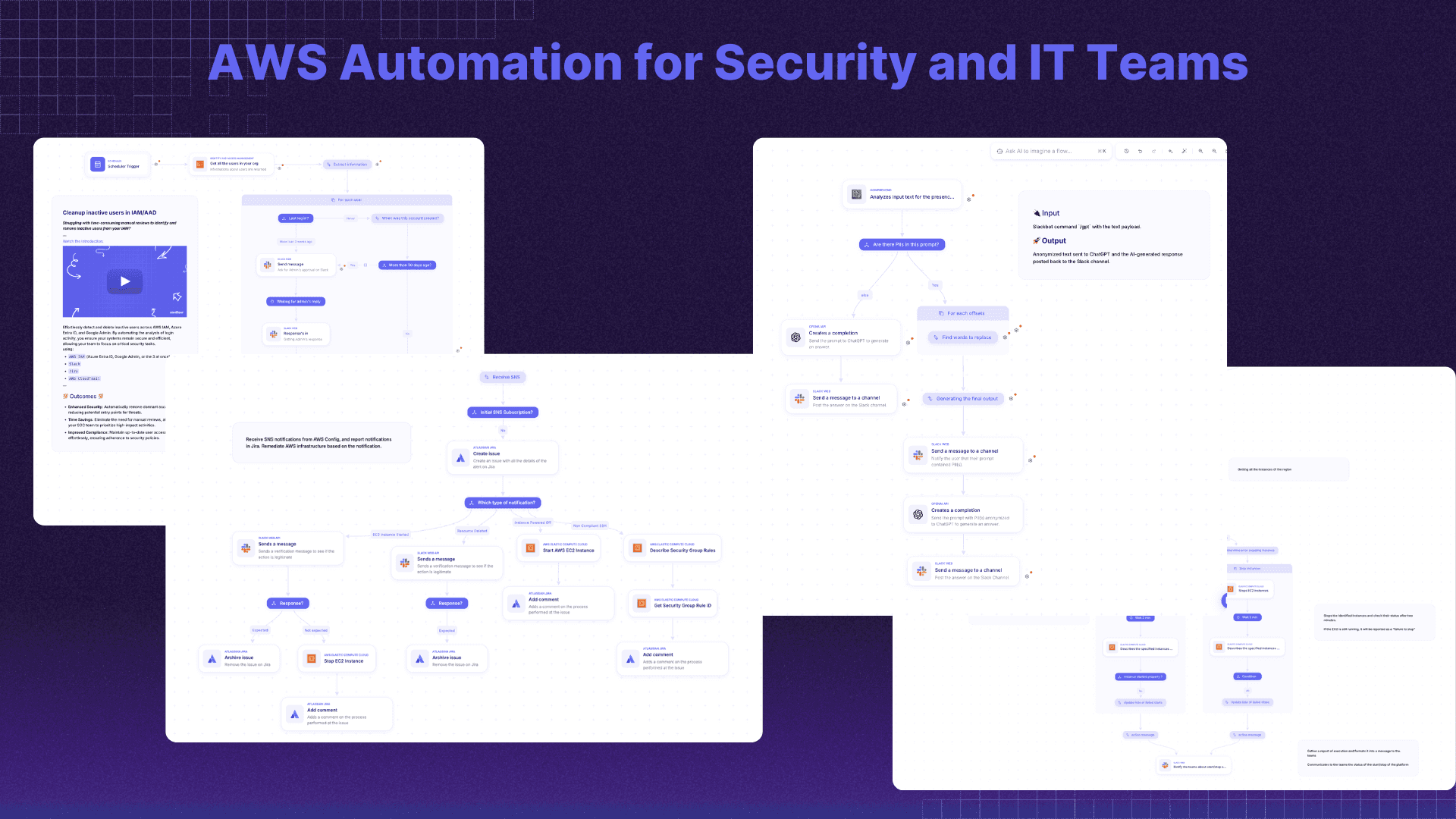
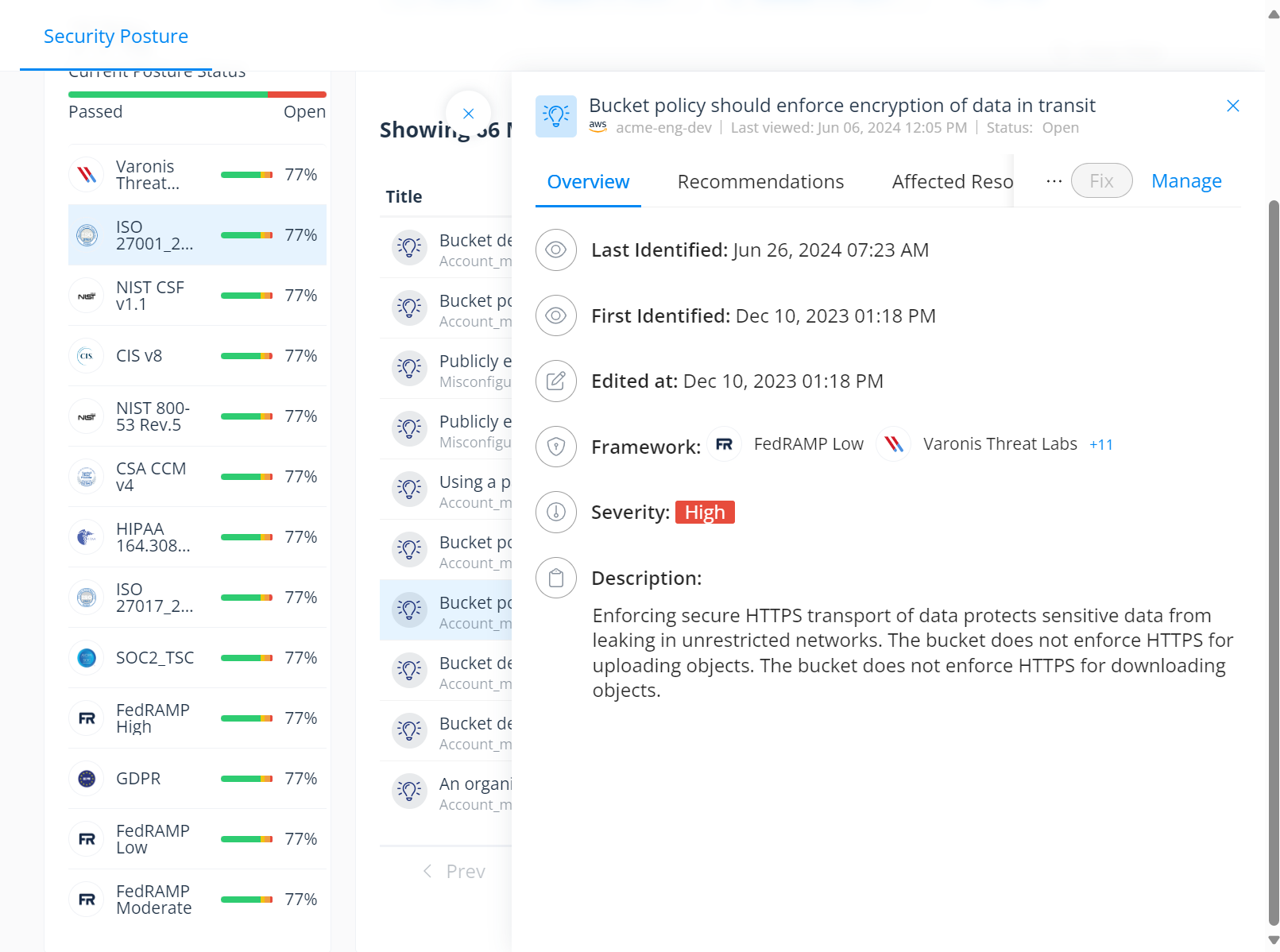
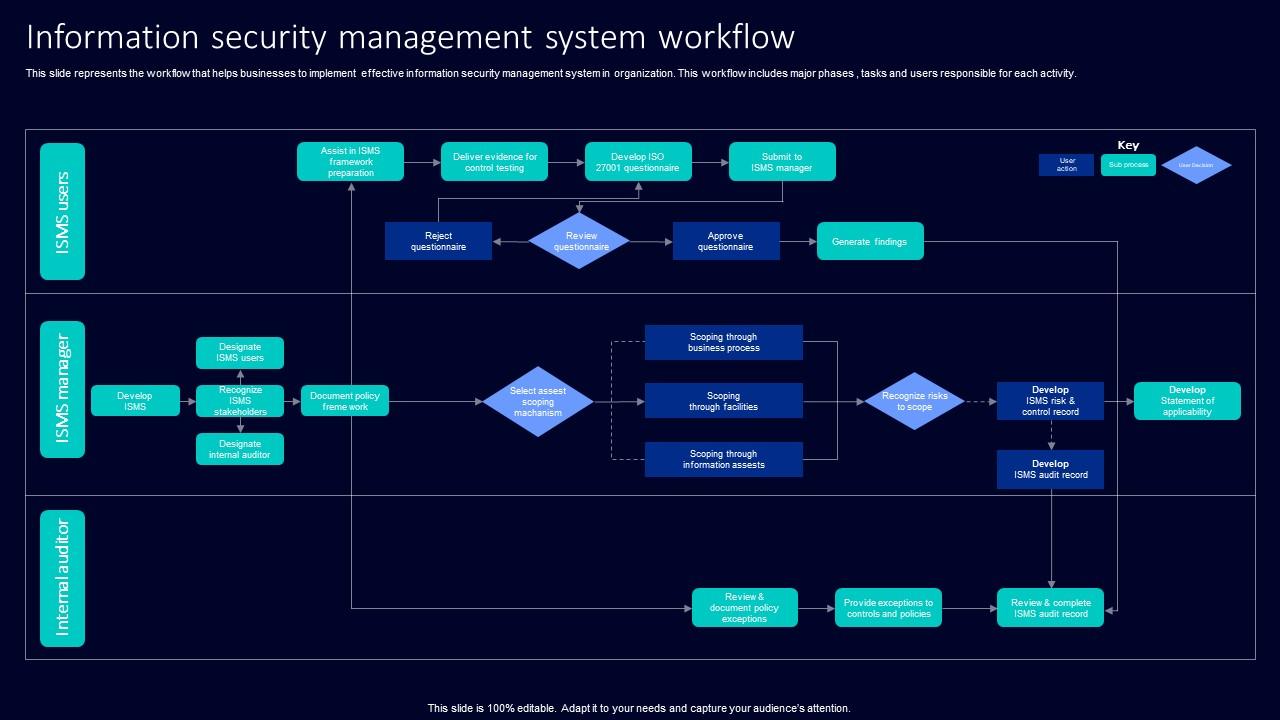
8 Automated Security Workflows that Reduce Costs and Complexity
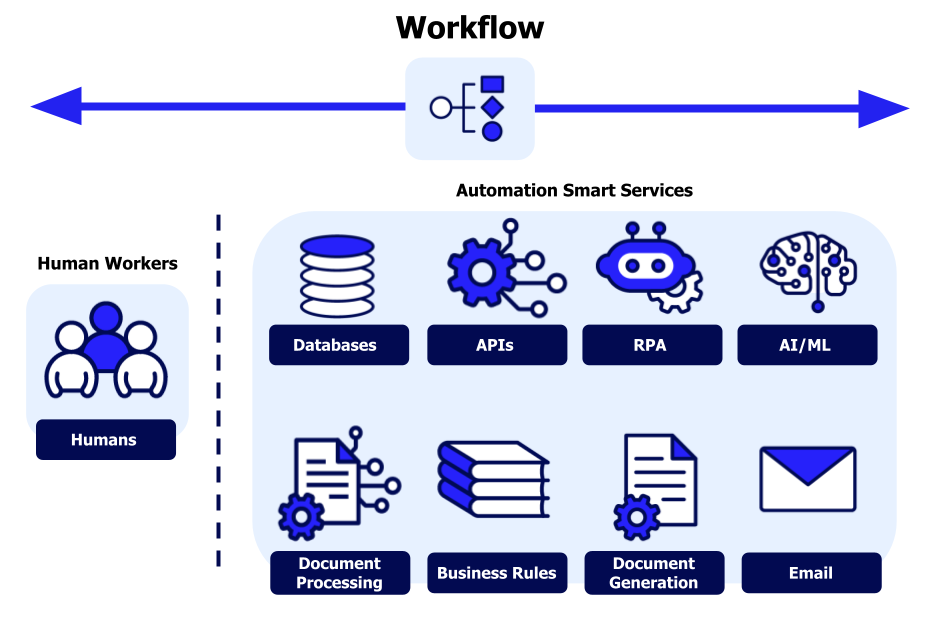
8 Automated workflows to maximize security and compliance efficiency As organizations grow and their operations become more complex, the manual processes traditionally used to manage security and compliance are no longer sufficient.
Enabling Organizations To Automate Security Workflows
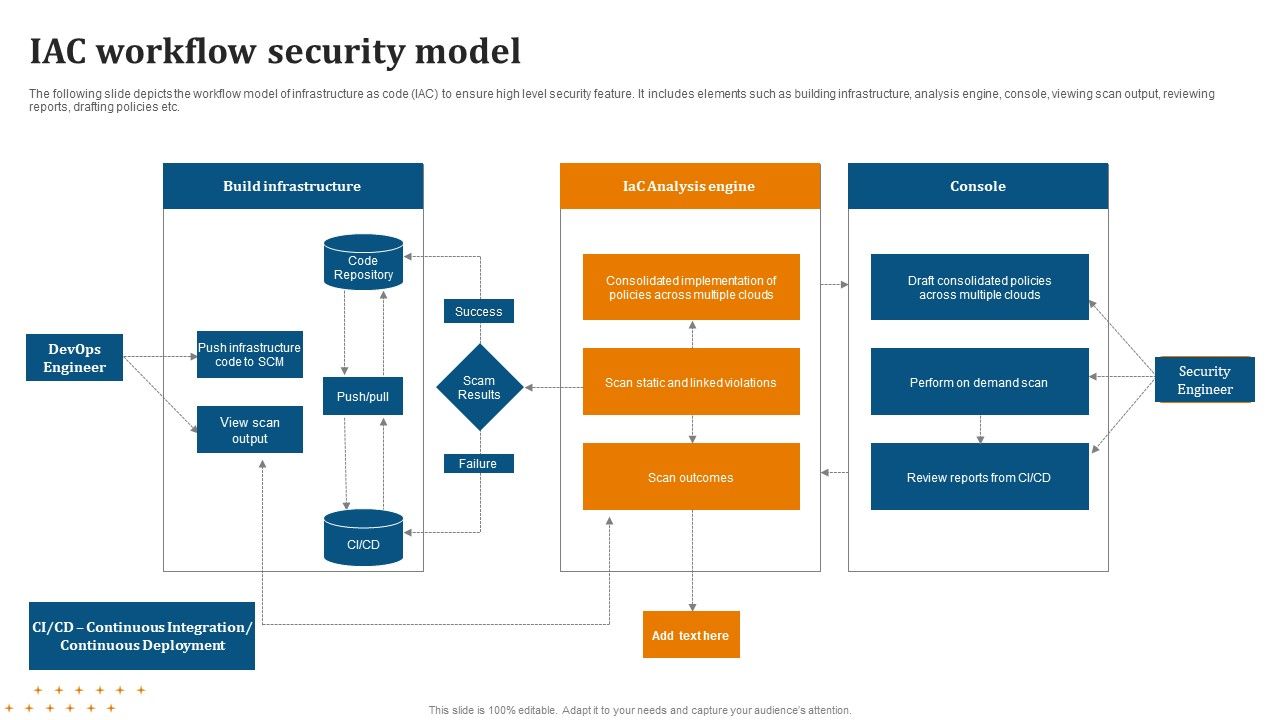
Agentless architecture for simplified deployment Integration with CI/CD pipelines and DevOps workflows Automated remediation of configuration drift Source: Ansible 18. Microsoft Security Compliance Toolkit The Microsoft Security Compliance Toolkit offers predefined configuration baselines and tools to help organizations secure Windows systems.
Enabling Organizations To Automate Security Workflows
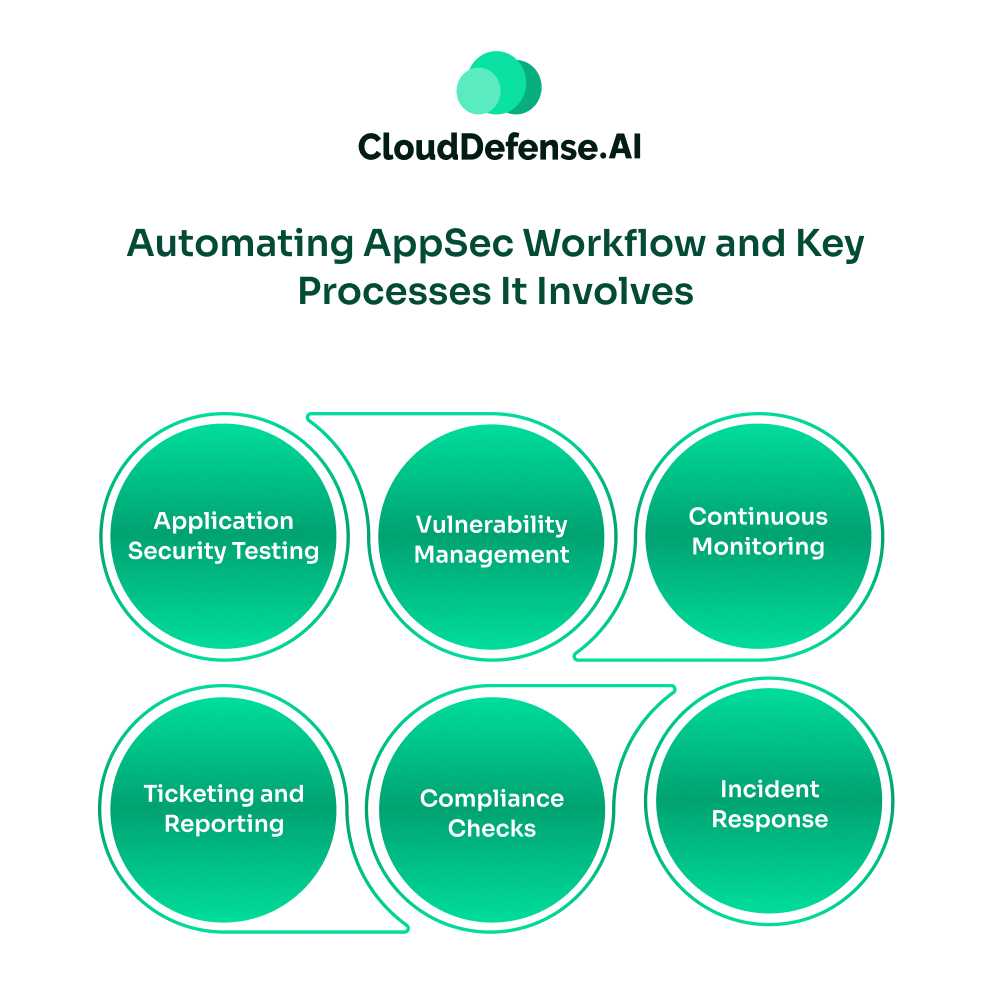
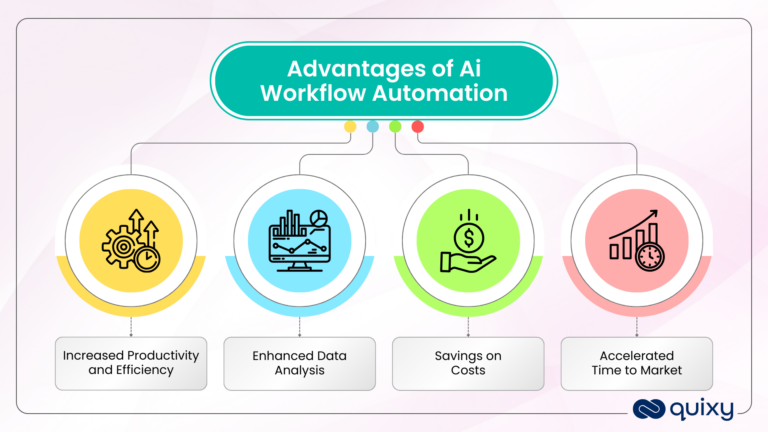
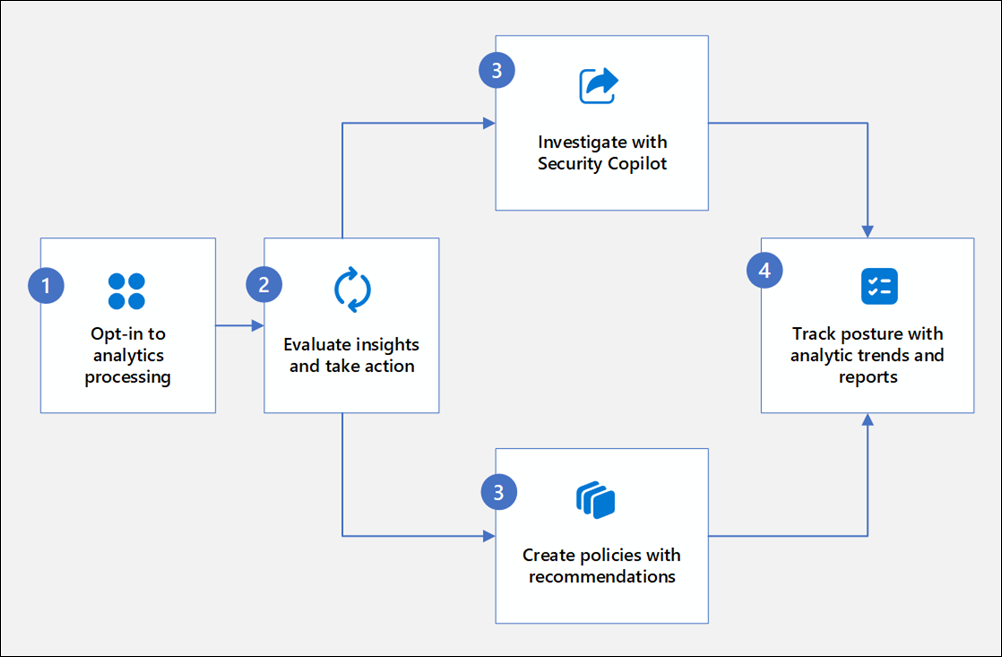
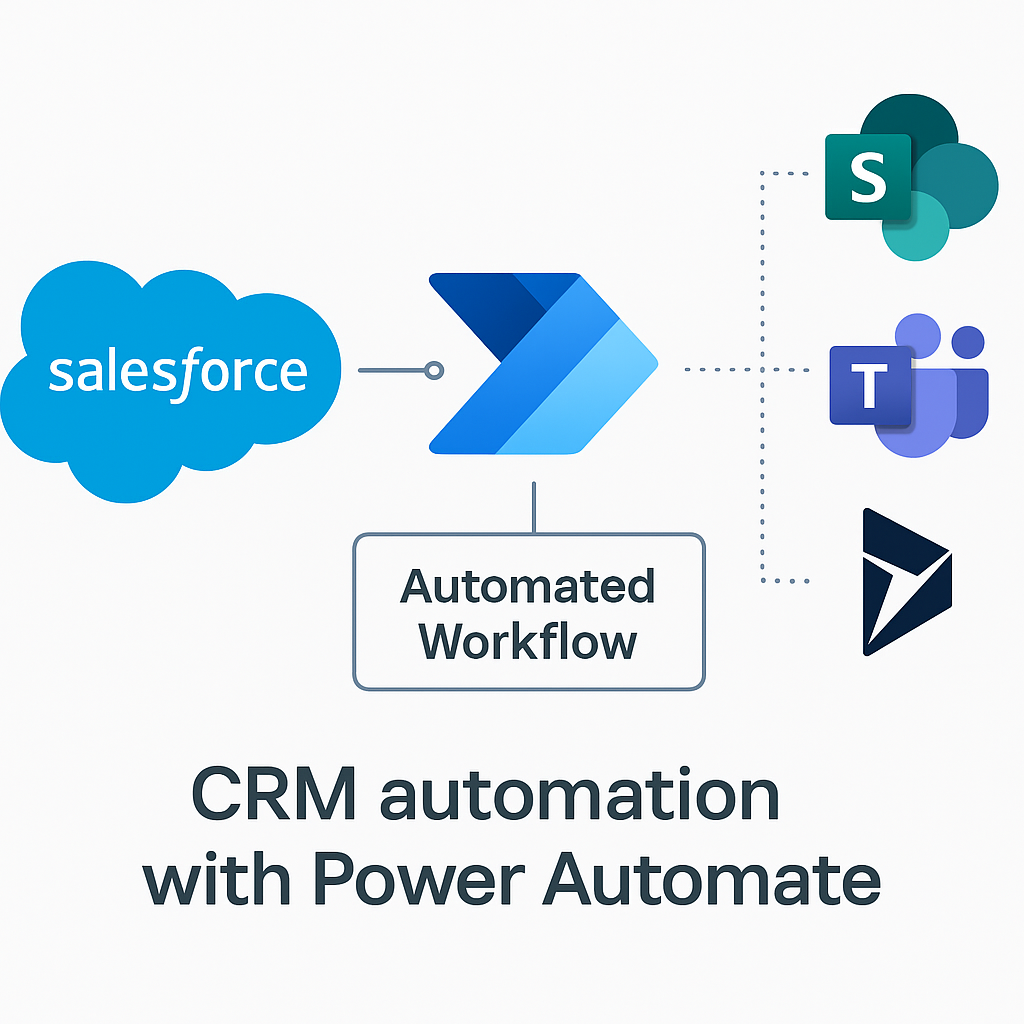
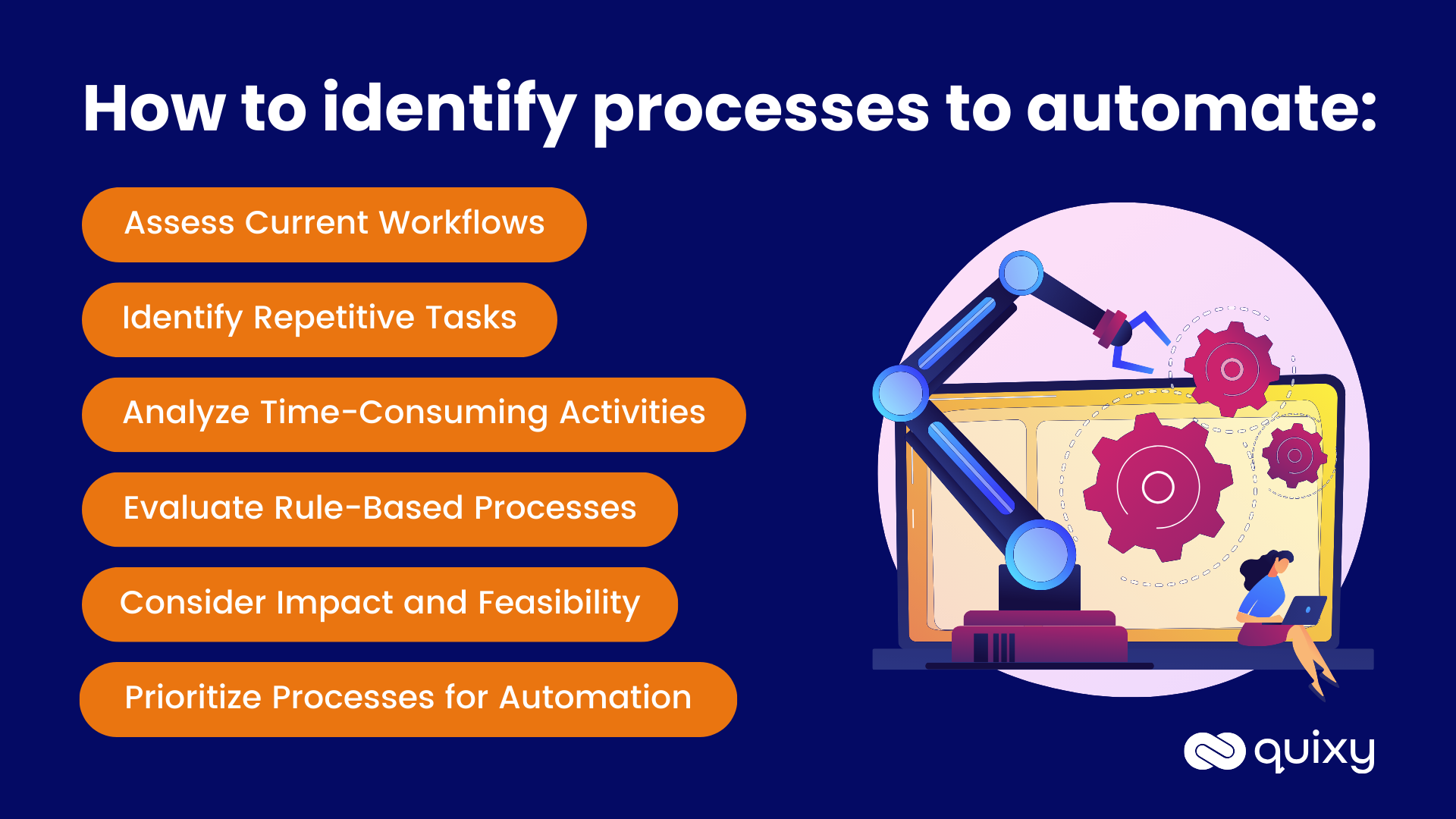
As we can see from the illustration, Enabling Organizations To Automate Security Workflows has many fascinating aspects to explore.
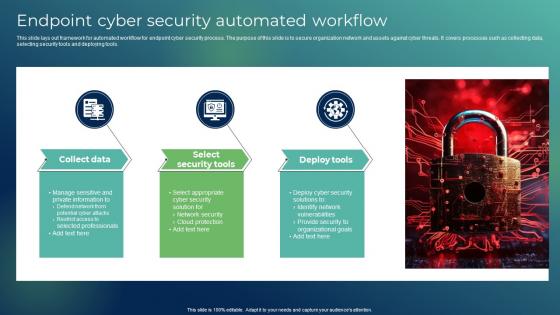
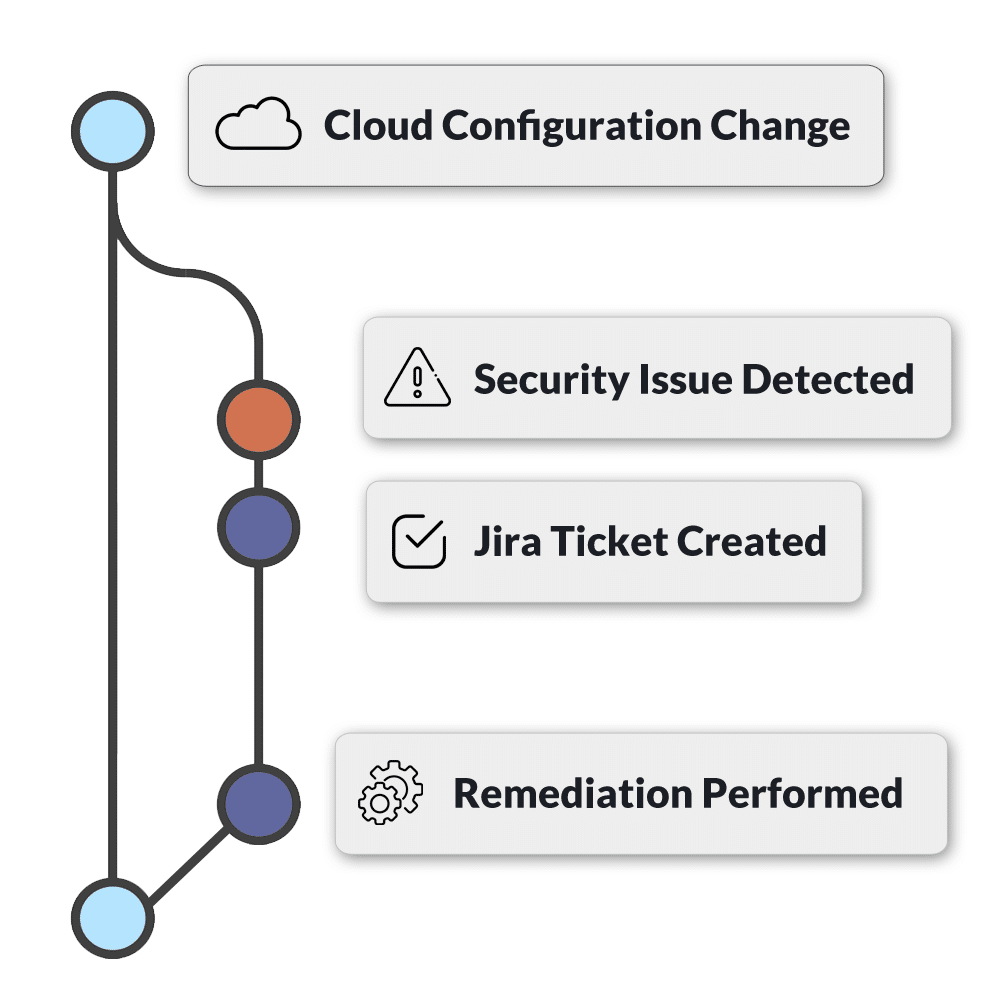
Automated incident response represents one of the most impactful applications of cybersecurity workflow automation, enabling organizations to respond to security incidents with unprecedented speed and consistency.
Enabling Organizations To Automate Security Workflows
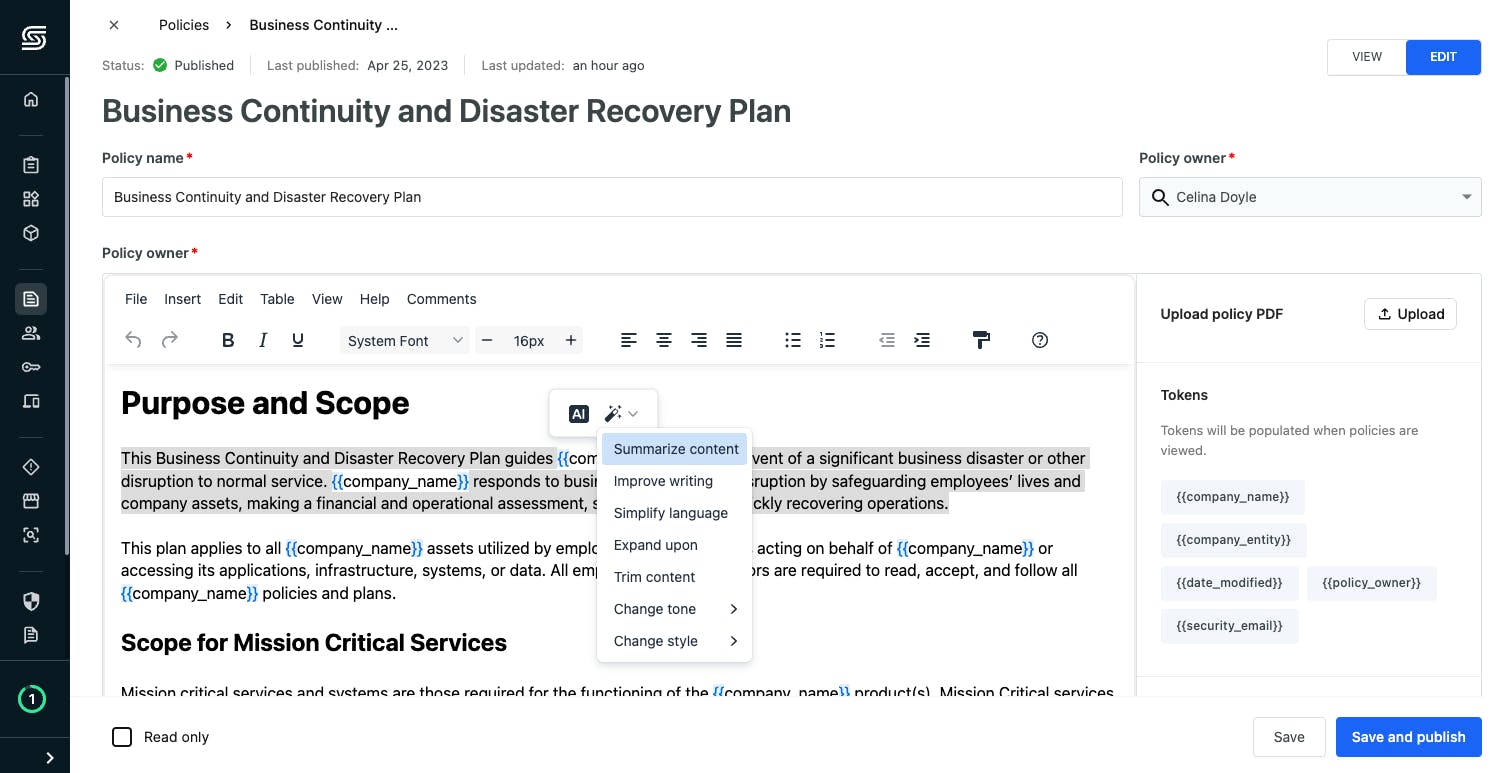
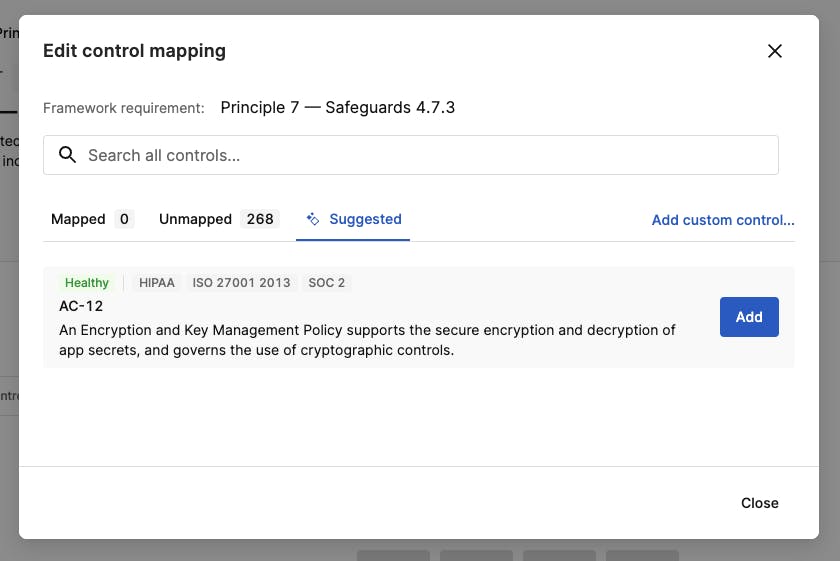
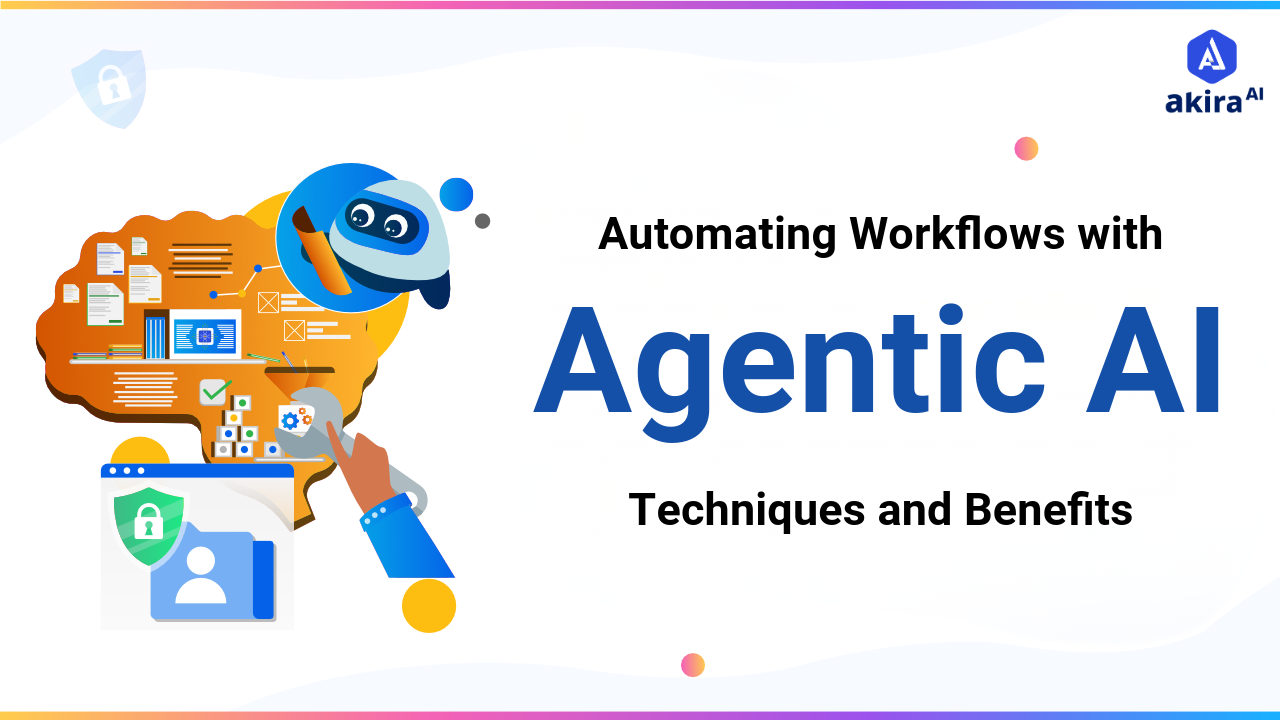
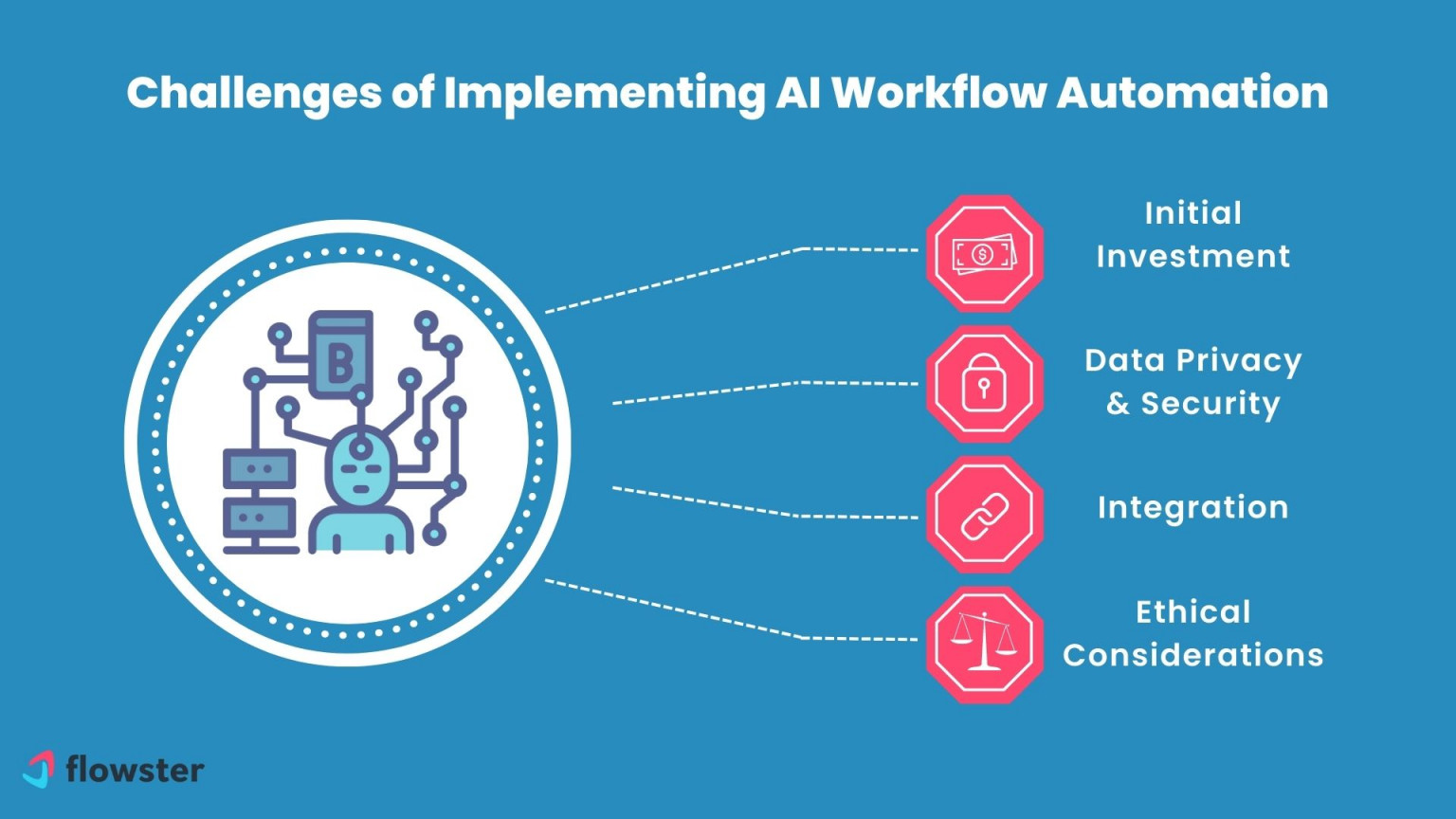
Moving forward, it's essential to keep these visual contexts in mind when discussing Enabling Organizations To Automate Security Workflows.
Security orchestration, automation, and response (SOAR): Orchestrates security workflows and integrates incident response processes. SOAR platforms allow organizations to collect data from a range of sources, analyze it, and automate responses to low-level security threats.