The Hidden Details of Feline Urinary Tract Problems In Males Revealed
Feline Lower Urinary Tract Disease
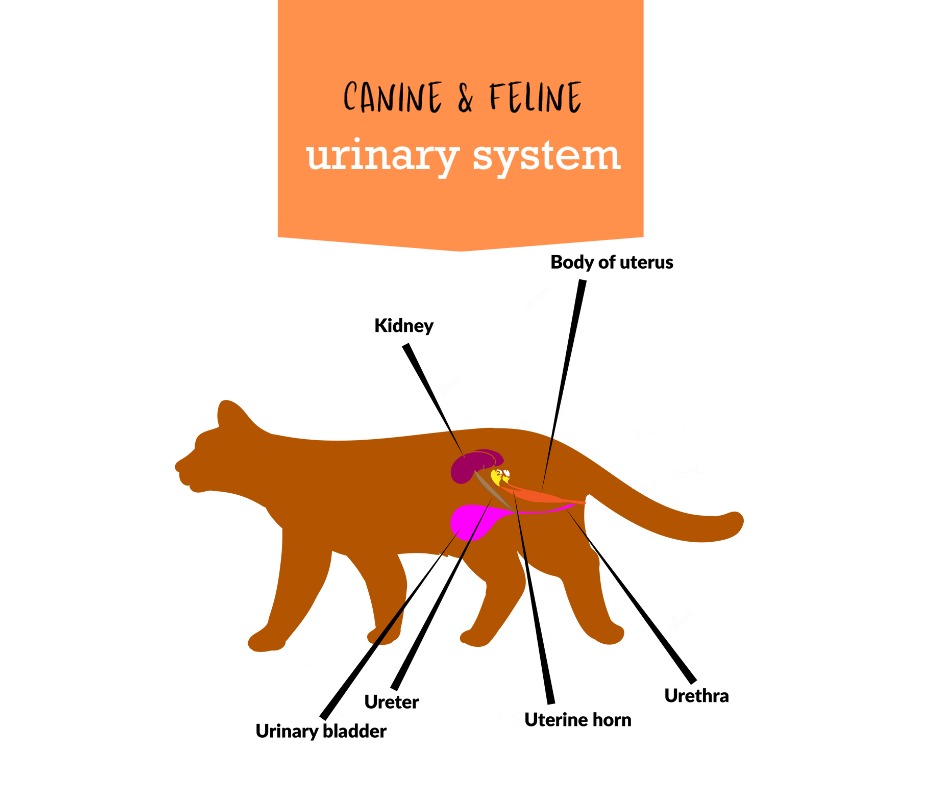
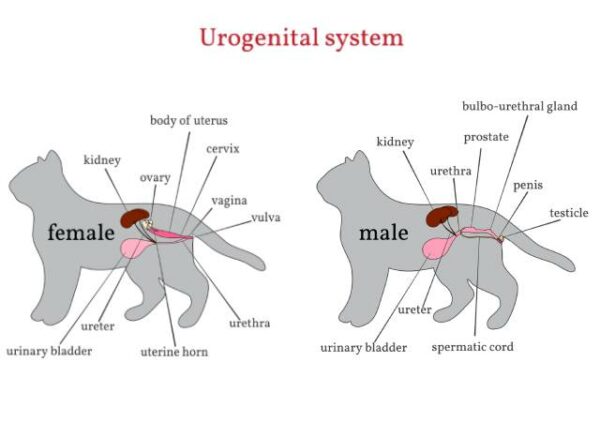
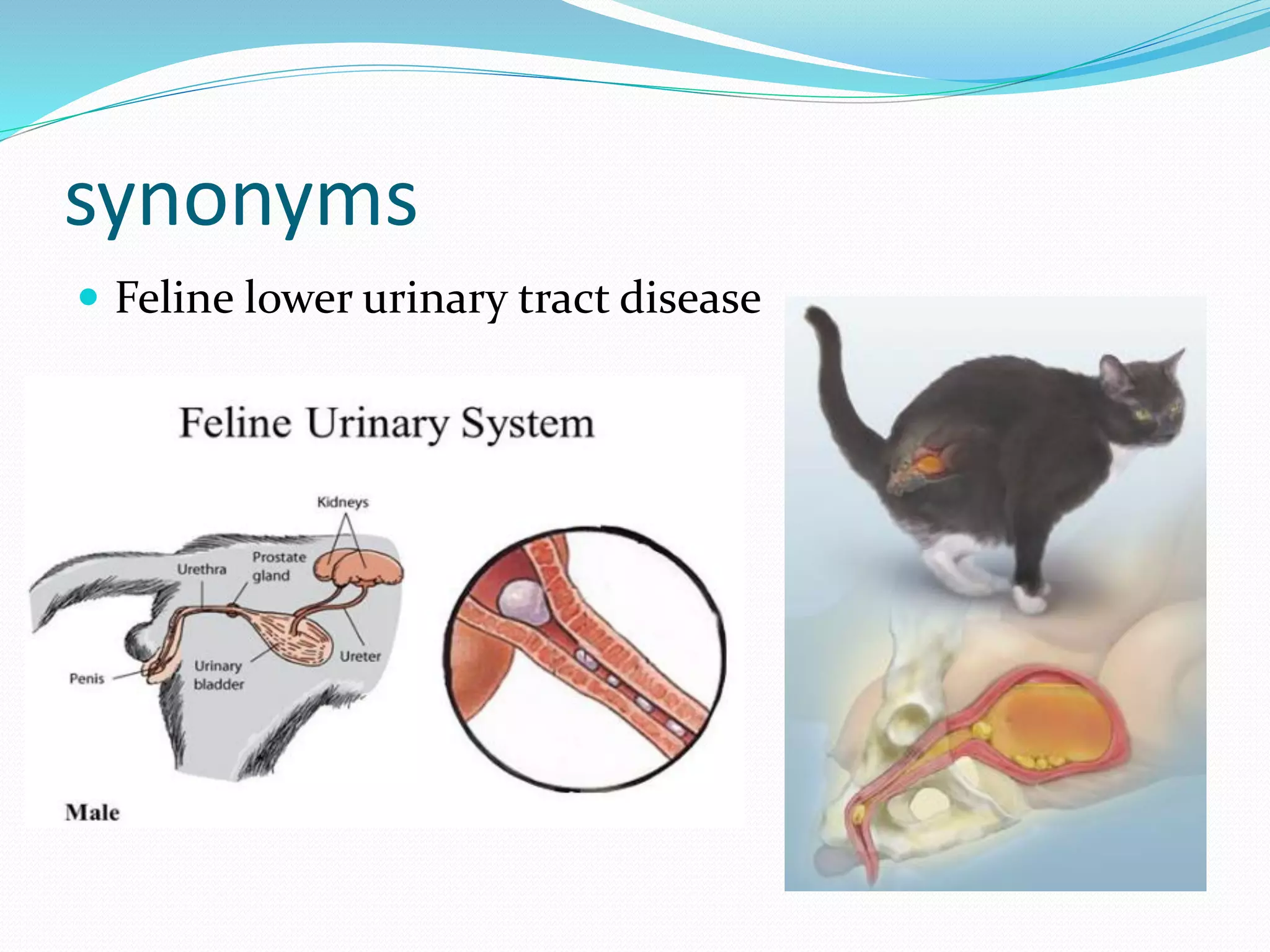
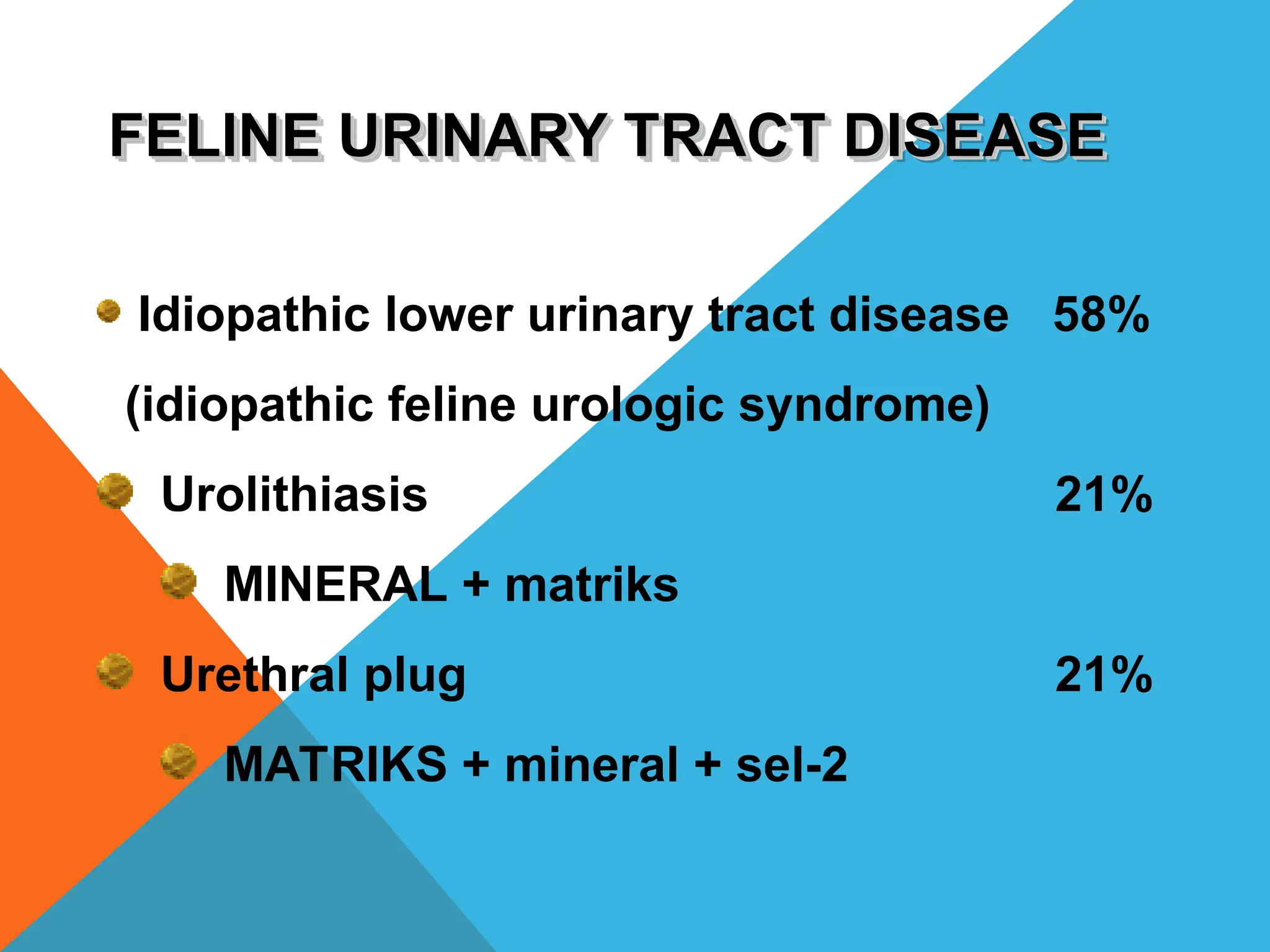
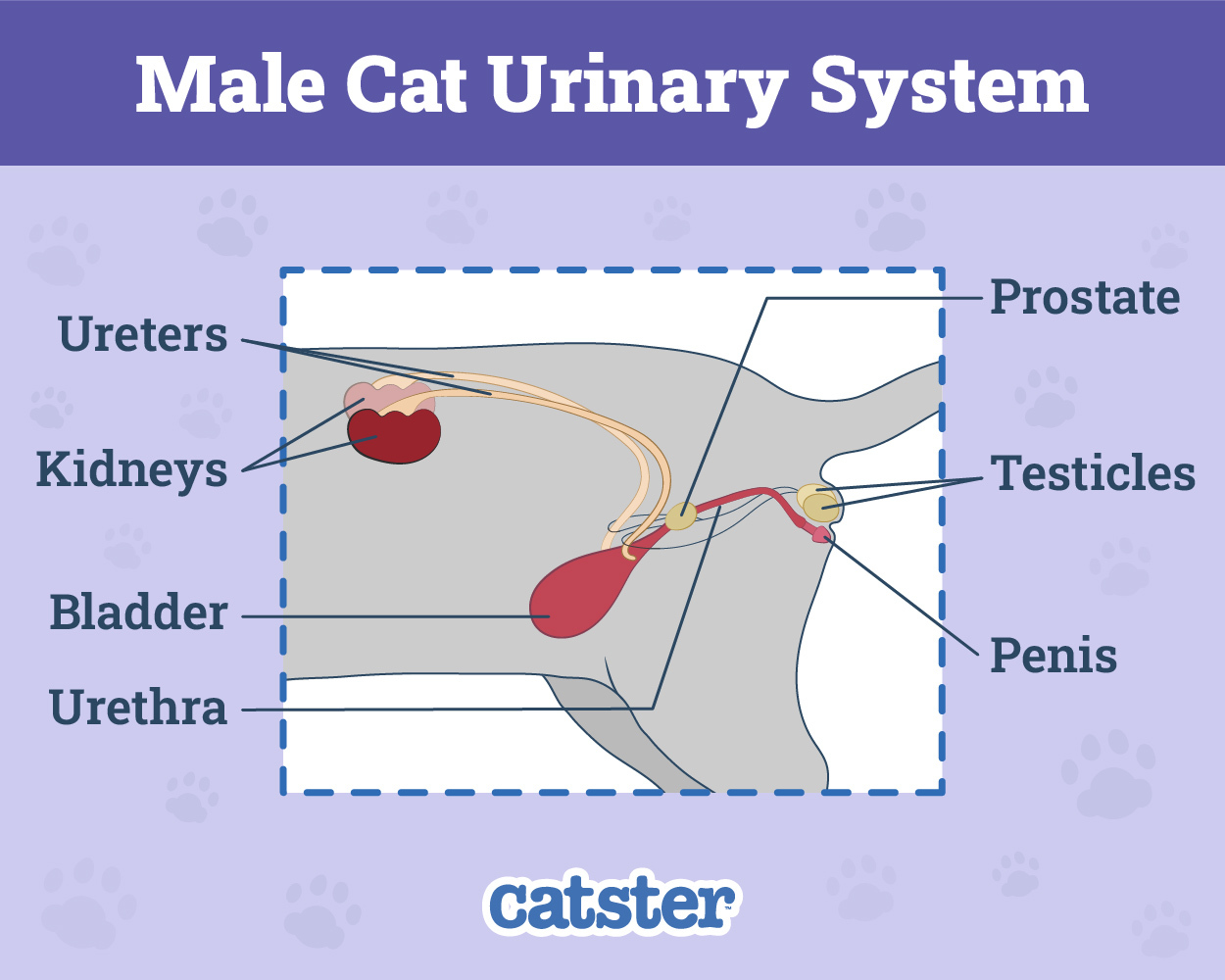
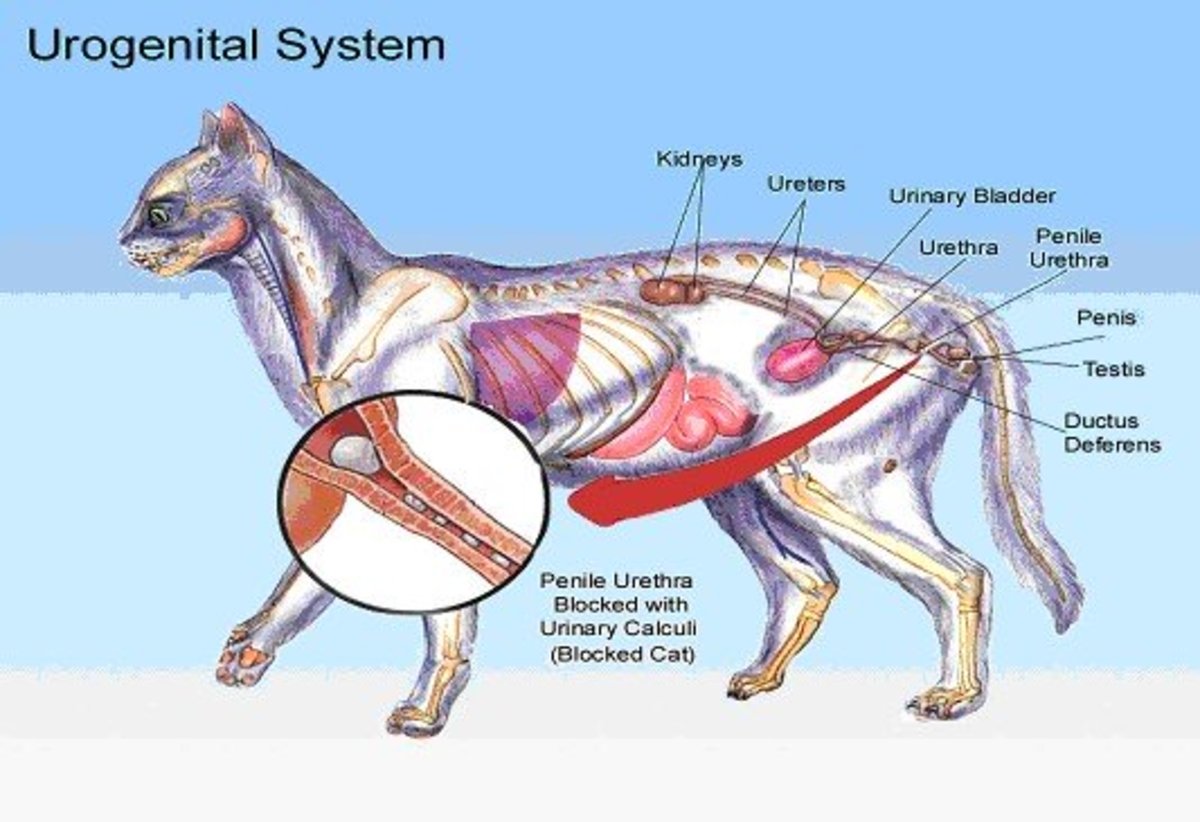
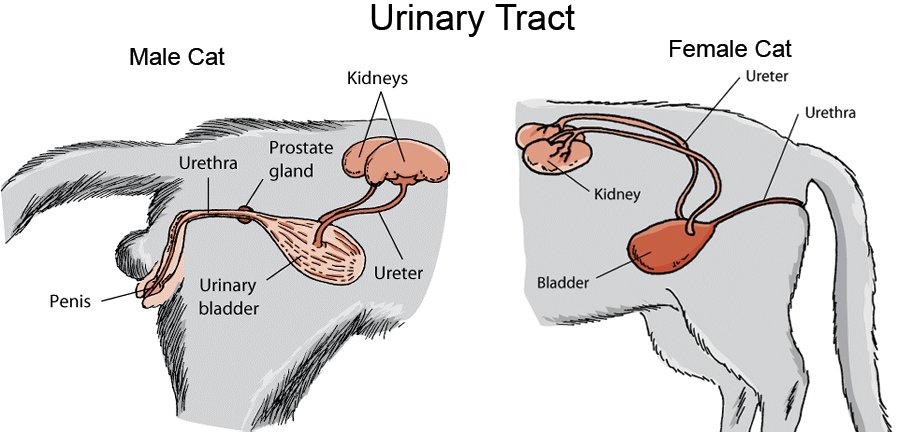
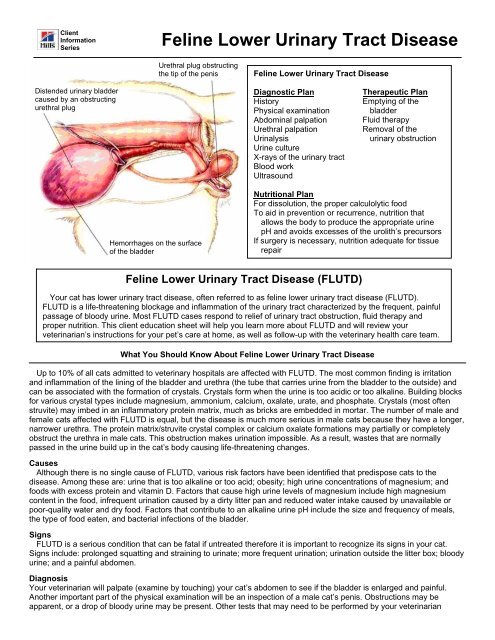
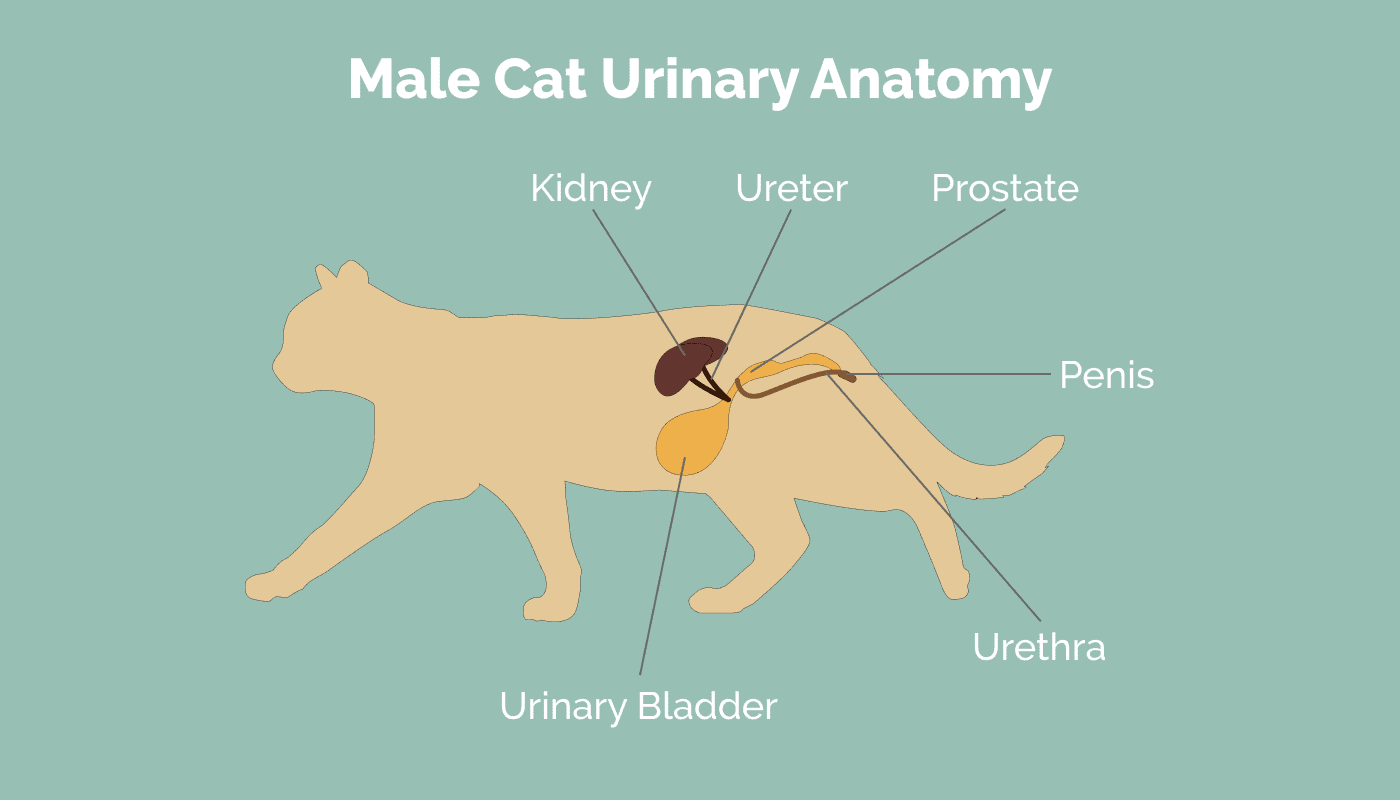
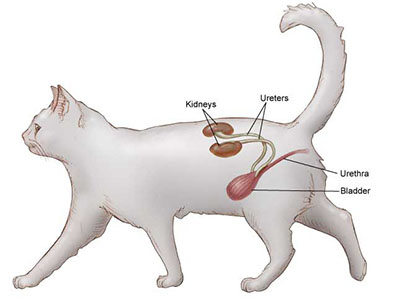
Due to the anatomy of the male cat's urinary tract , males are at increased risk of lower urinary tract obstruction by uroliths. X-rays or ultrasound are usually used to make a diagnosis of uroliths.
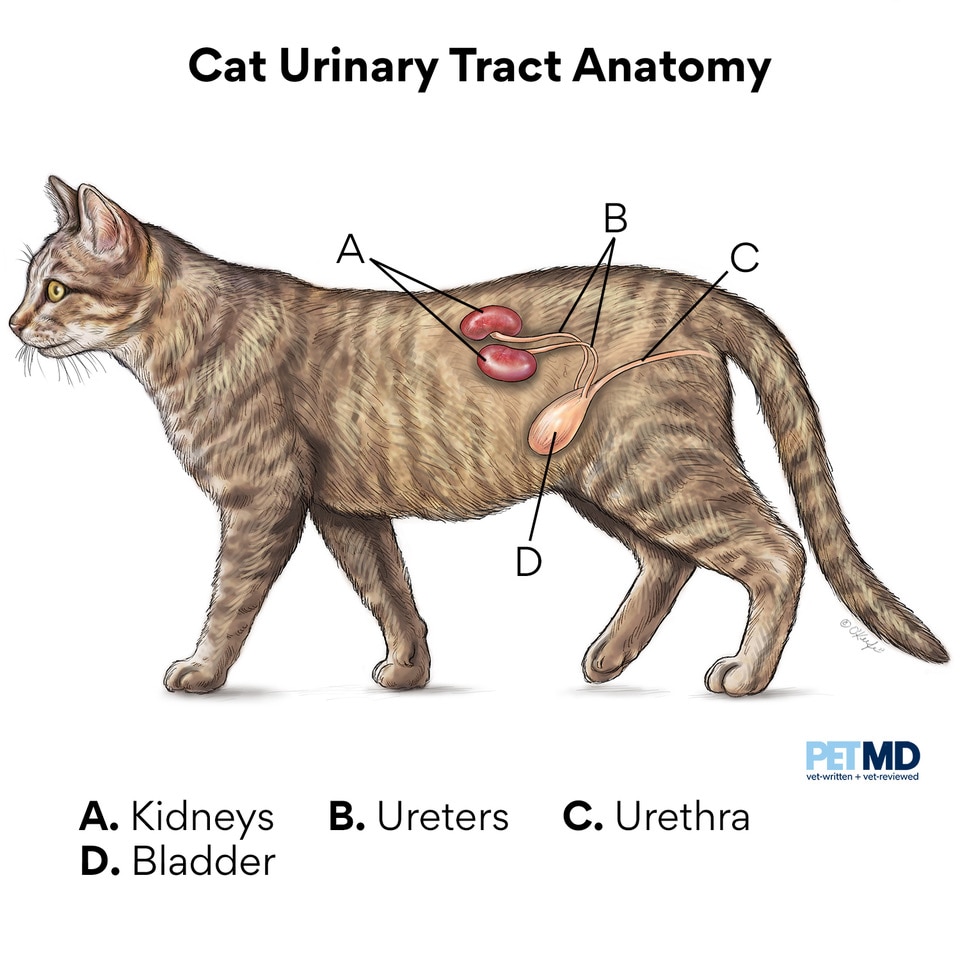
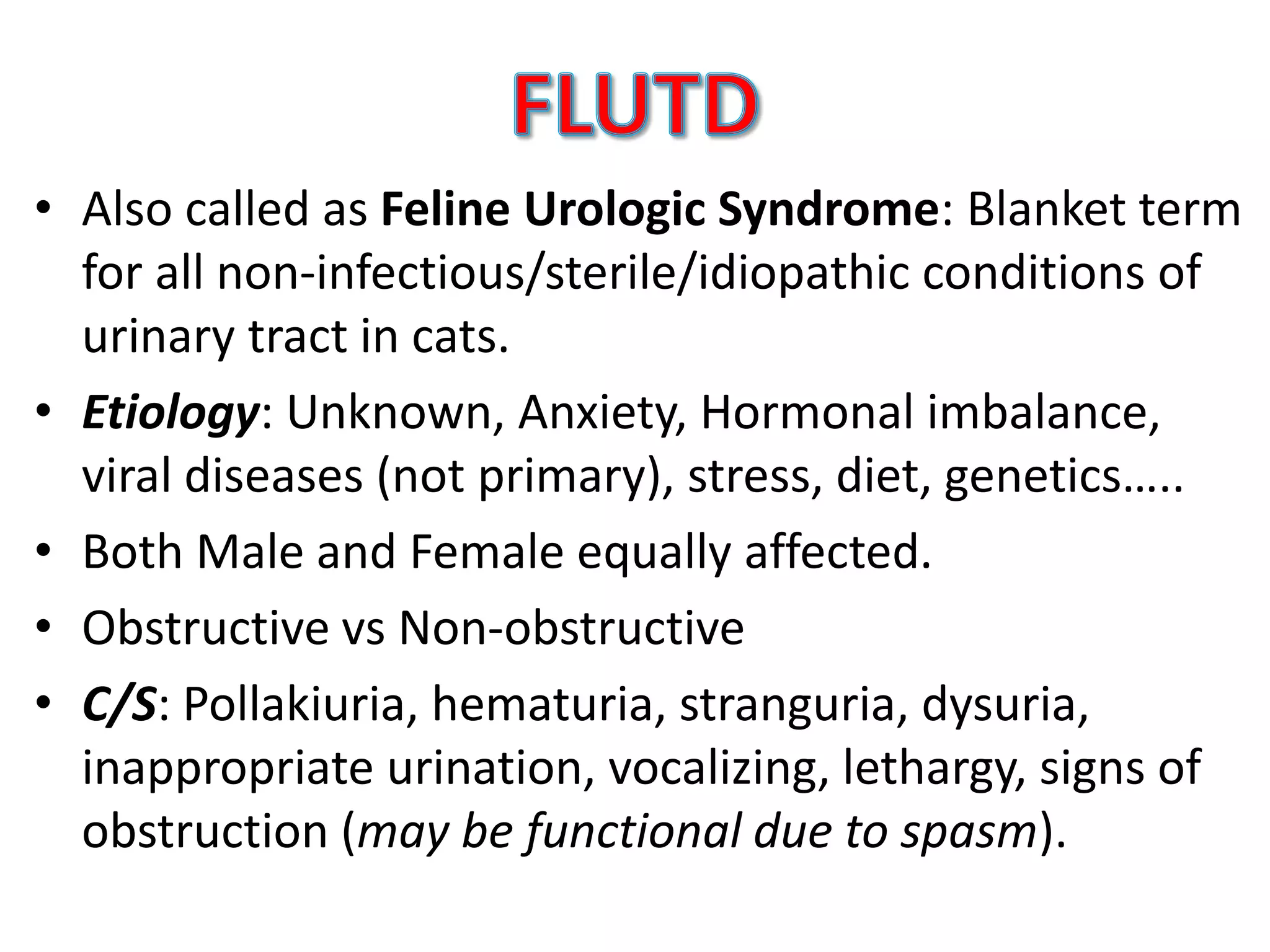
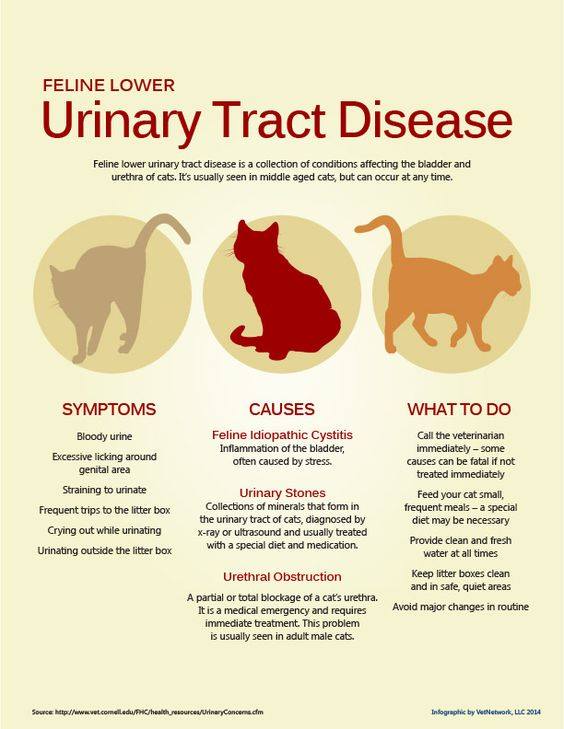
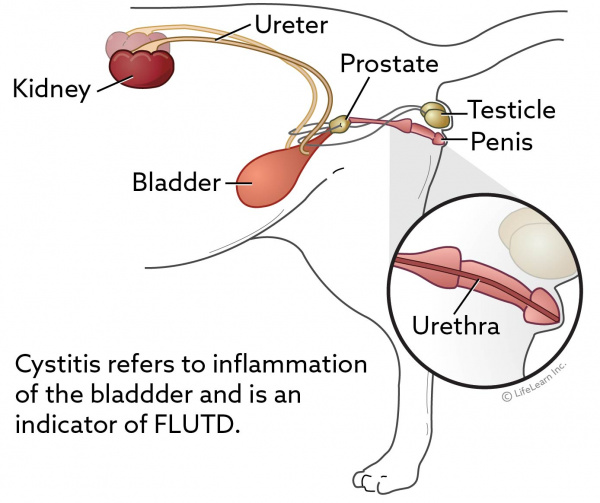
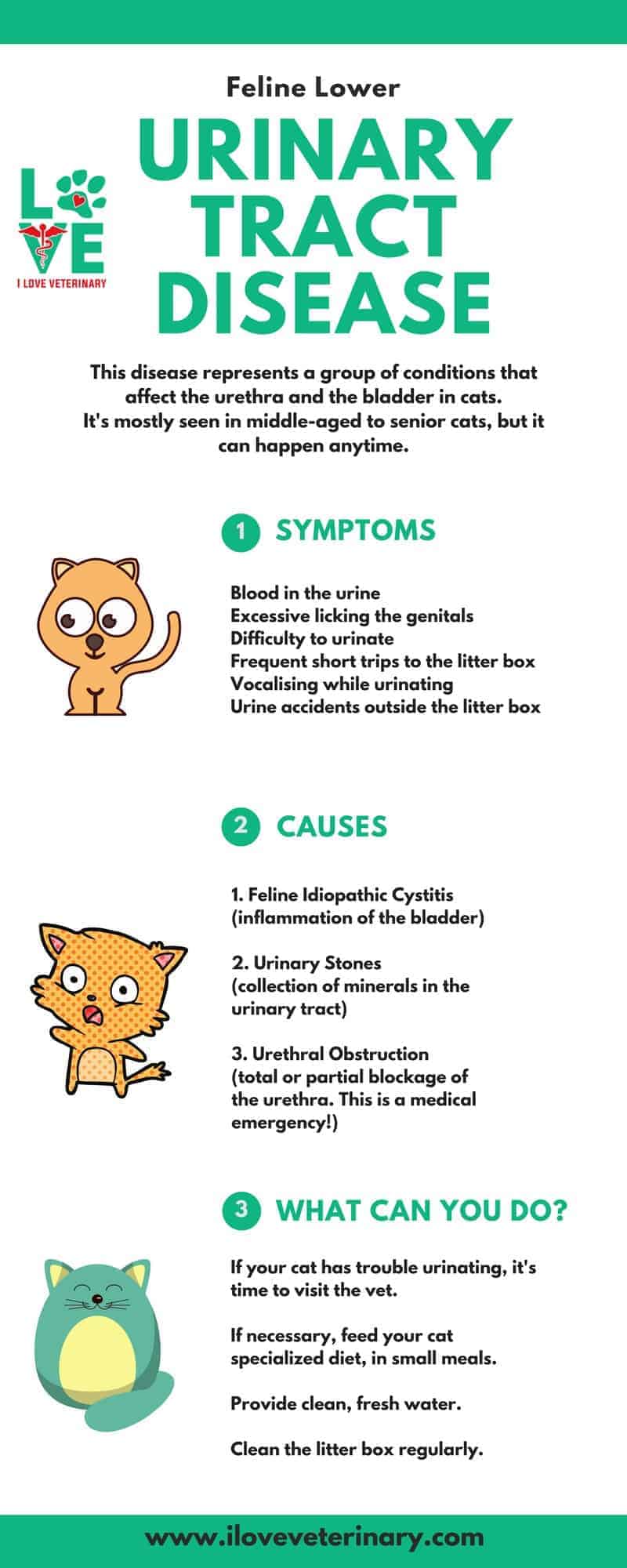
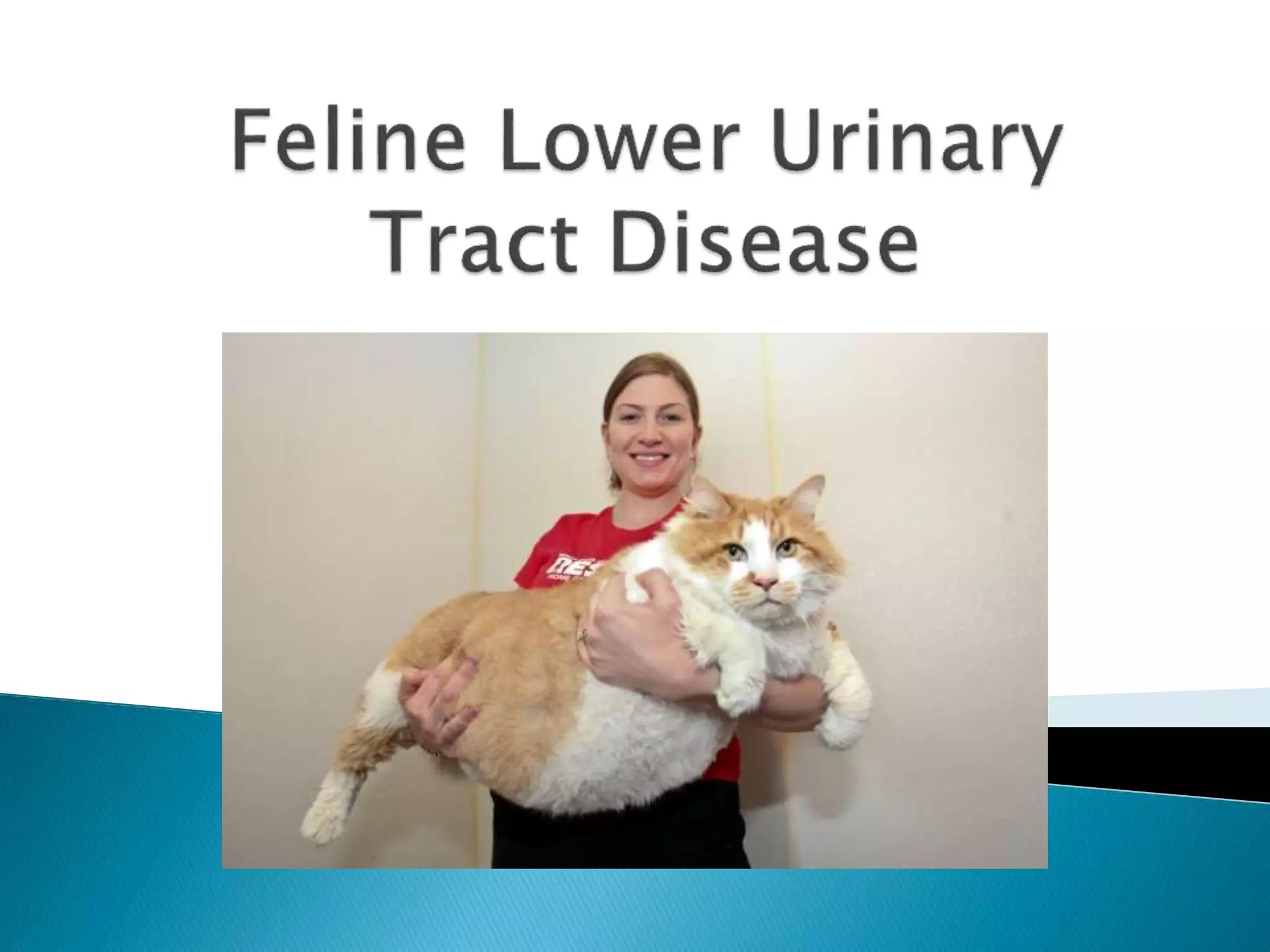
Feline lower urinary tract disease (FLUTD) is an umbrella term used to describe a group of problems associated with the lower urinary tract (bladder and urethra) of cats. Although FLUTD can occur at any age, the associated problems are usually seen in middle-aged, overweight cats that get little exercise and have little or no outdoor access.
Feline Urinary Tract Problems In Males
Such details provide a deeper understanding and appreciation for Feline Urinary Tract Problems In Males.
Diagnosing and Managing Feline Lower Urinary Tract Disease
Feline lower urinary tract disease (FLUTD) is a general term used to describe conditions affecting the bladder or urethra of cats;1 it is not a syndrome or specific diagnosis. It has been reported that between 4.5% and 8% of cats presenting to veterinary practices or teaching hospitals have FLUTD.2,3 Causes of FLUTD include physical conditions and behavioral disorders resulting in ...
Feline Urinary Tract Problems In Males
Furthermore, visual representations like the one above help us fully grasp the concept of Feline Urinary Tract Problems In Males.
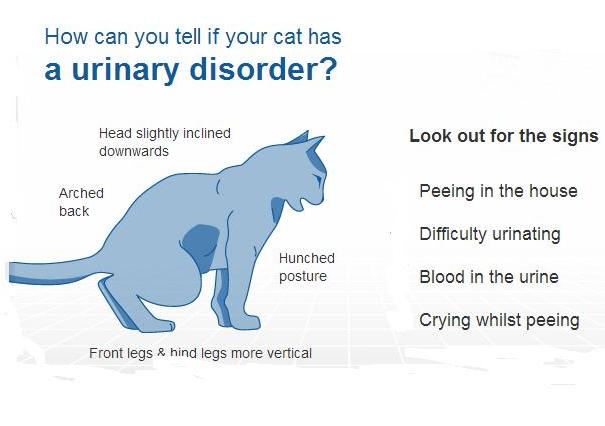
Understand cat urinary problems causes, symptoms, diagnosis, treatment options, and prevention strategies to ensure your felines long-term health and happiness.
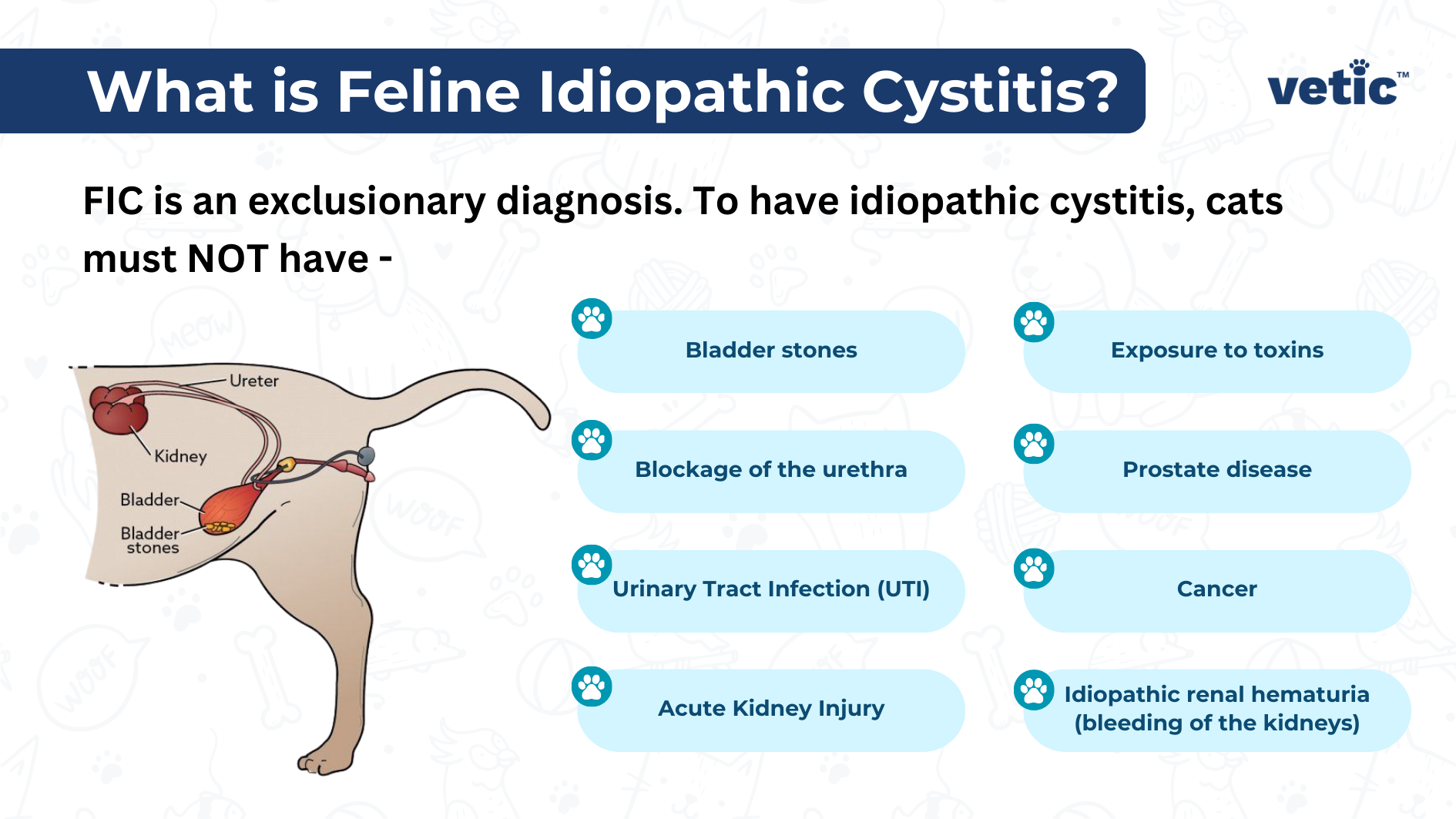
Cystitis and Lower Urinary Tract Disease in Cats
Aim: The '2025 iCatCare consensus guidelines on the diagnosis and management of lower urinary tract diseases in cats' provide an overview of the common presenting signs caused by underlying feline lower urinary tract (LUT) diseases in cats, which often are indistinguishable between different underlying causes.