Georgian architecture
Georgian architecture is the name given in most English-speaking countries to the set of architectural styles current between 1714 and 1830. It is named after the first four British monarchs of the House of Hanover, George I, George II, George III, and George IV, who reigned in continuous succession from August 1714 to June 1830.
Learn about the history, features and famous examples of Georgian architecture , a popular design style from the 18th century. See how Georgian buildings used symmetry, proportion, bricks, windows and roofs to create elegance and simplicity.

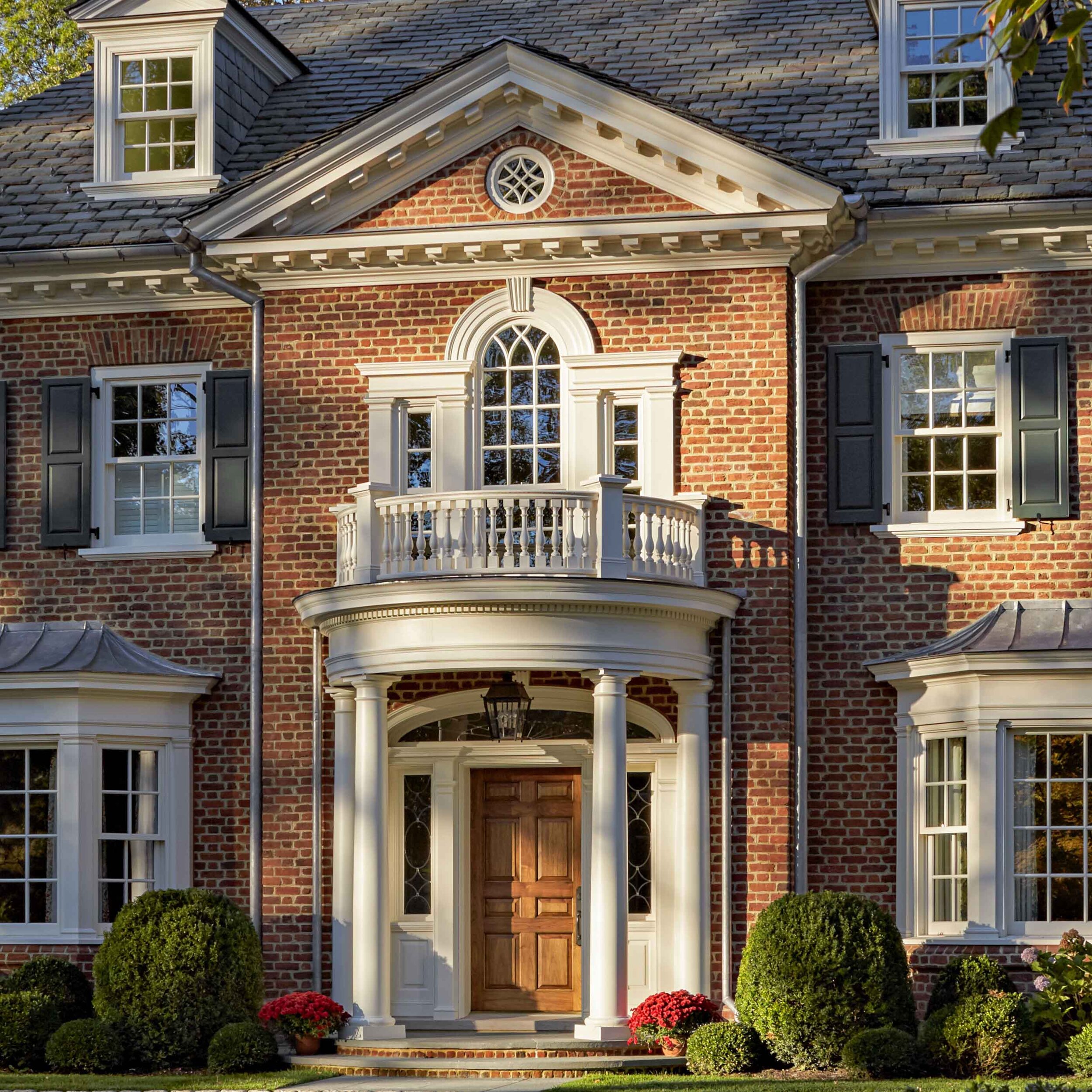
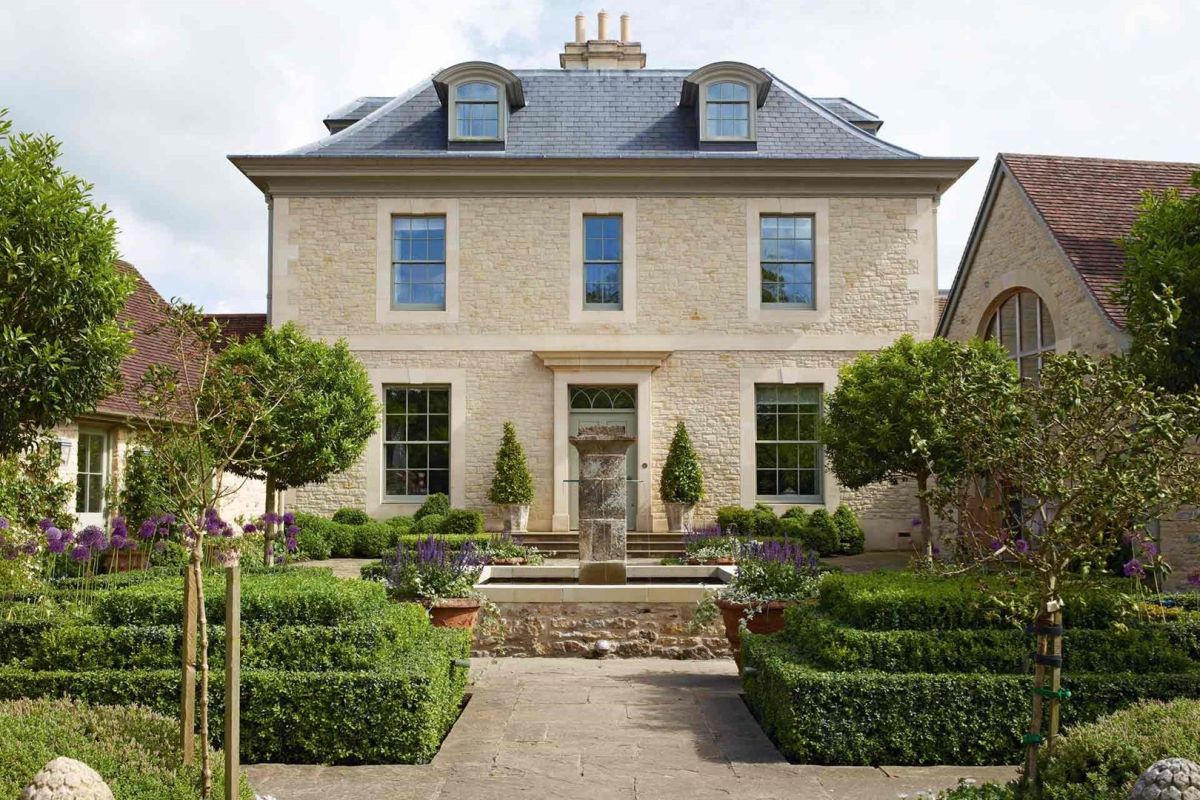
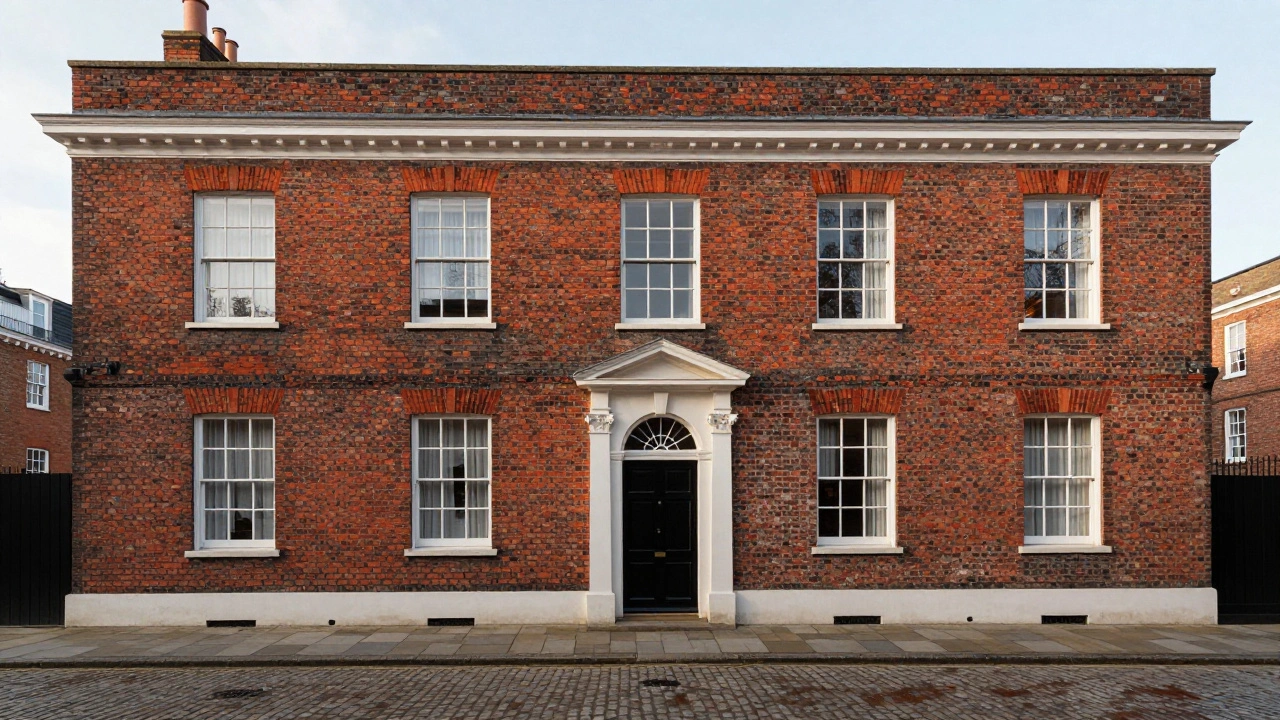
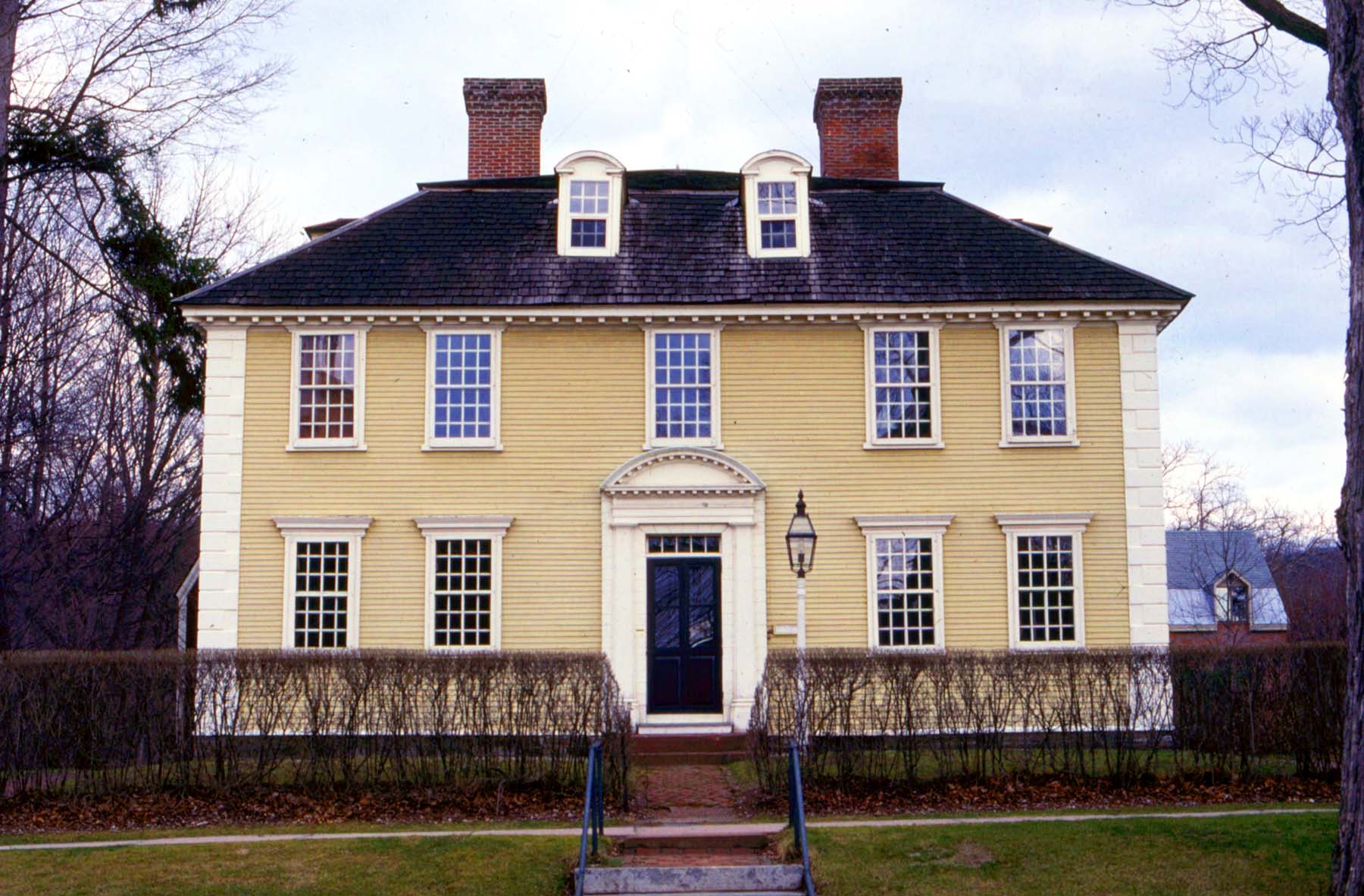
Furthermore, visual representations like the one above help us fully grasp the concept of Georgian Architecture.
What Is Georgian Architecture
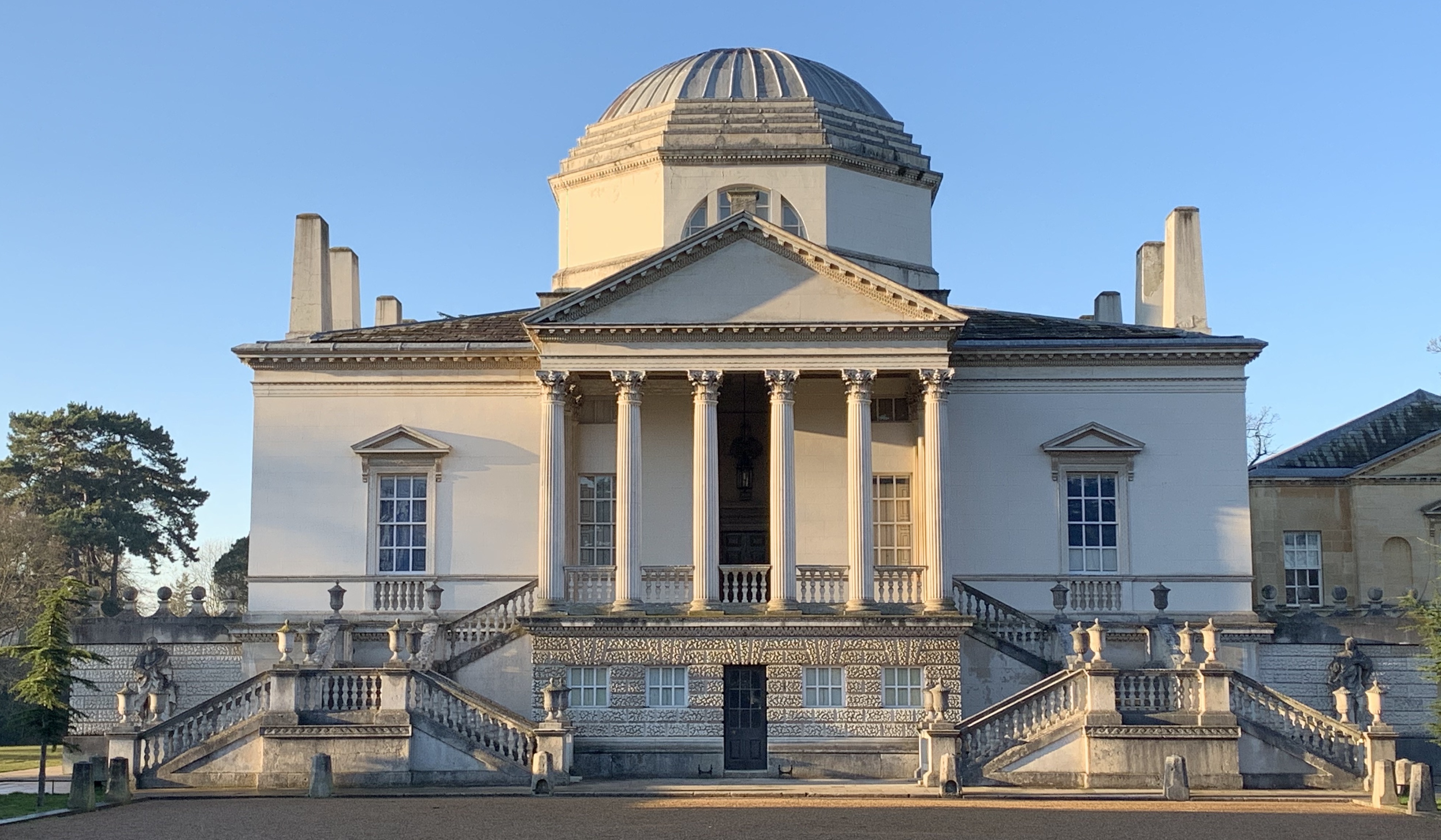
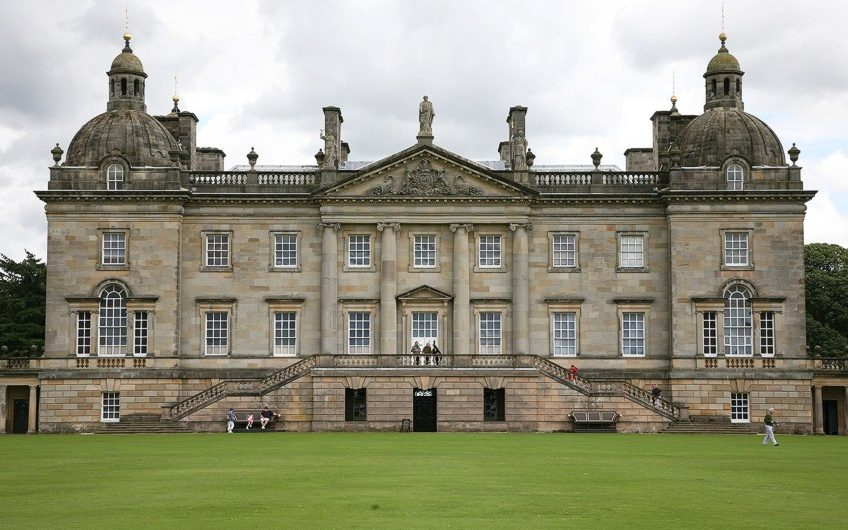
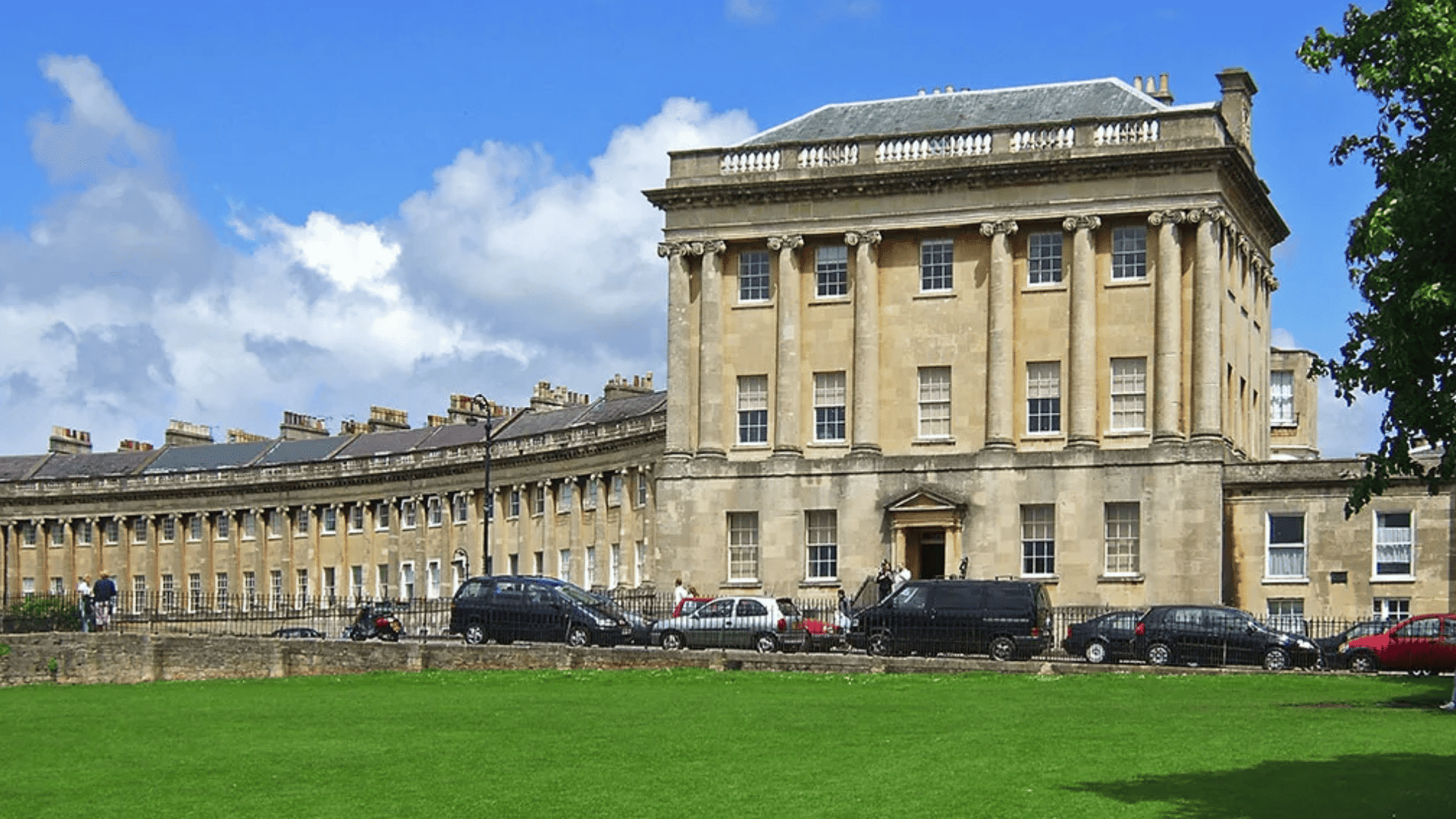
Learn about the Georgian period (1714-1830) and its dominant Classical style, influenced by ancient Roman and Greek architecture . Discover the variations of Palladianism, neo-Classicism, Gothic and Rococo, and their famous examples in Britain.

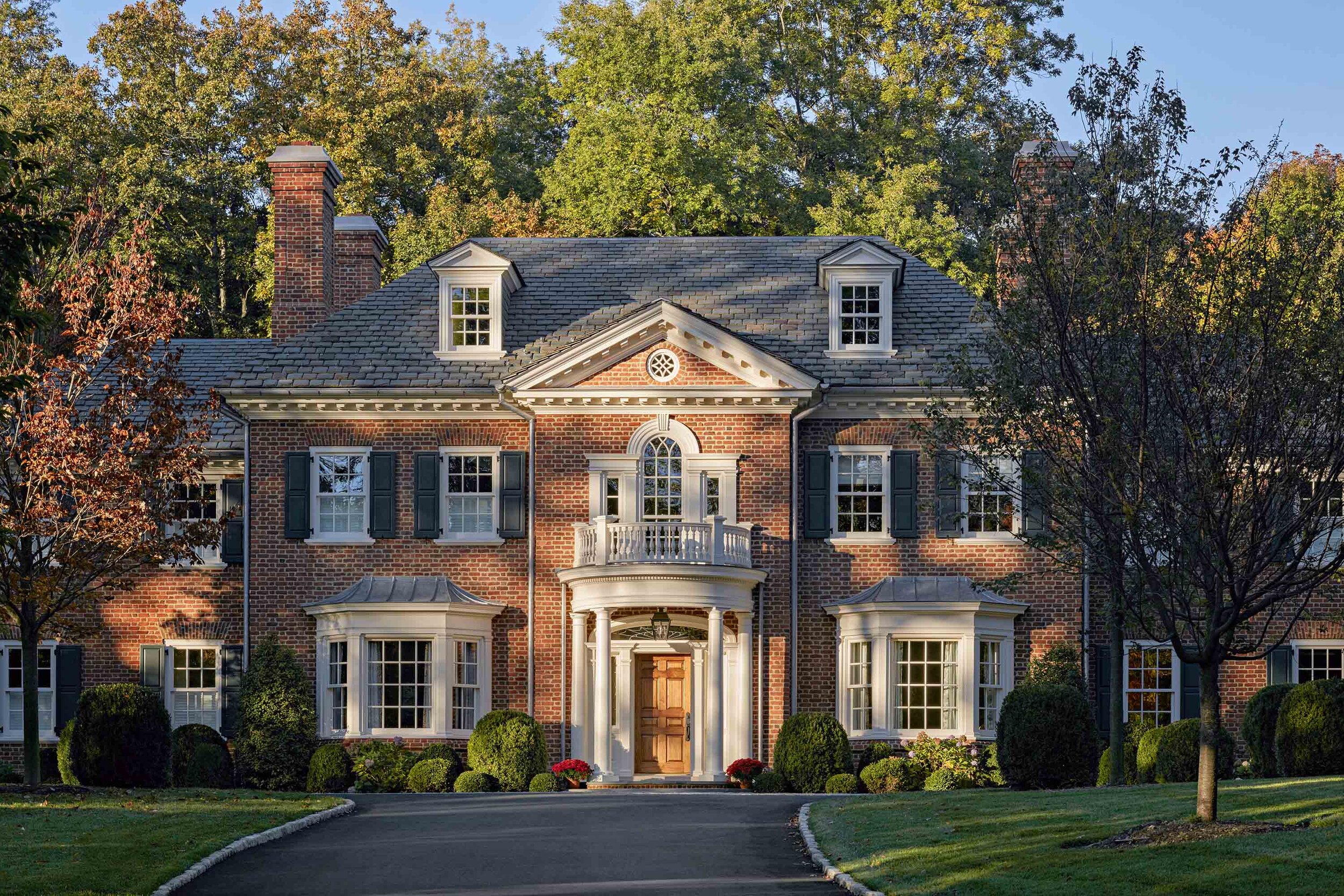
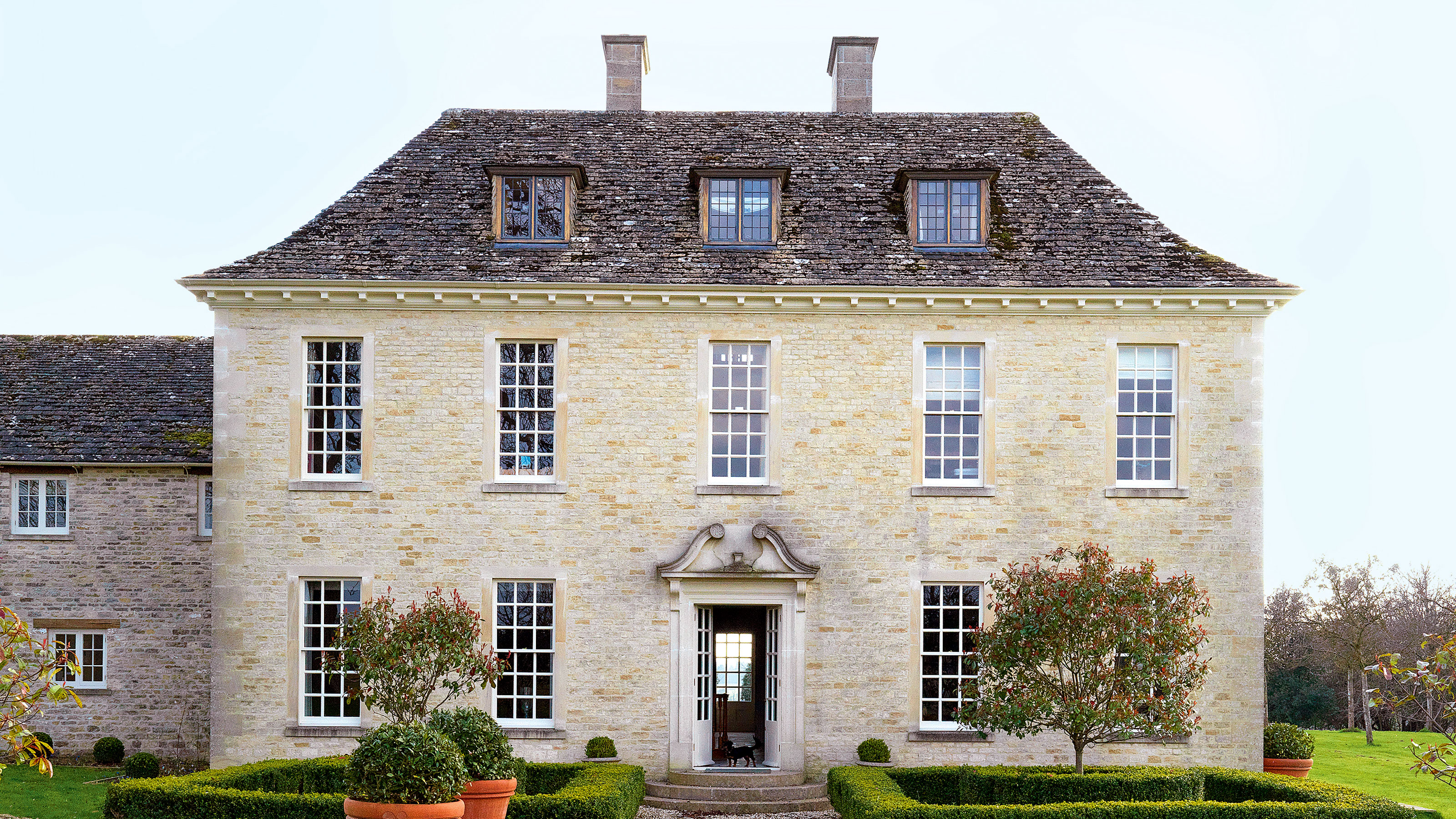
This particular example perfectly highlights why Georgian Architecture is so captivating.
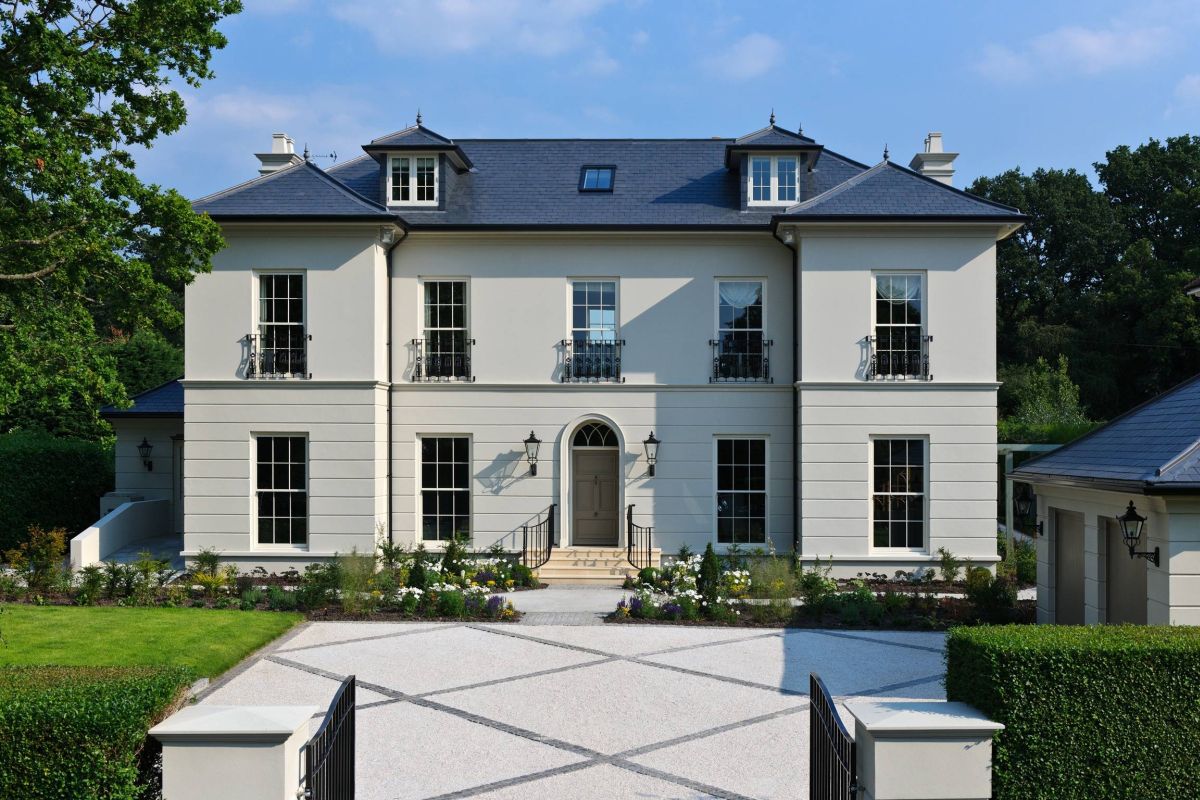
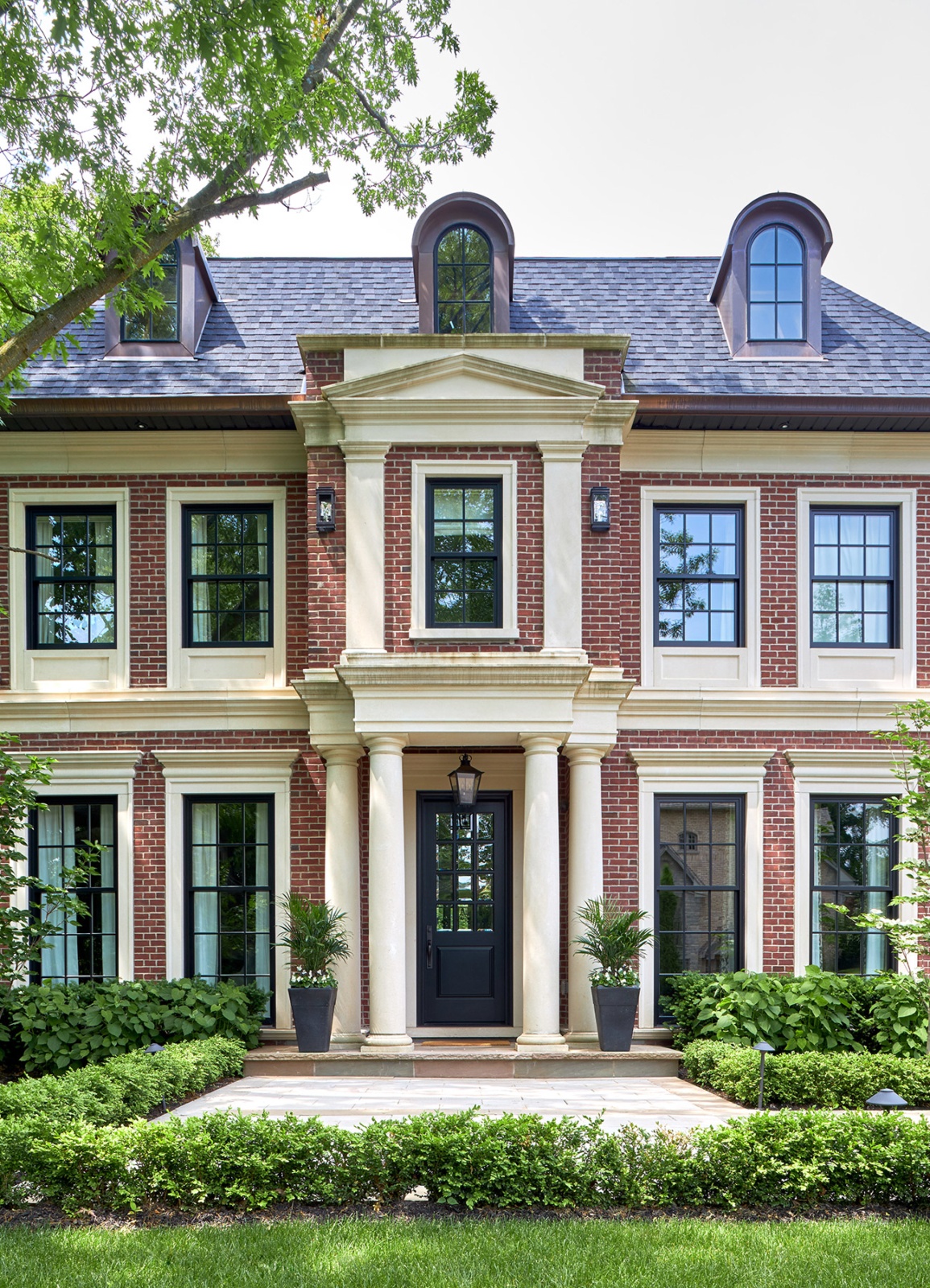
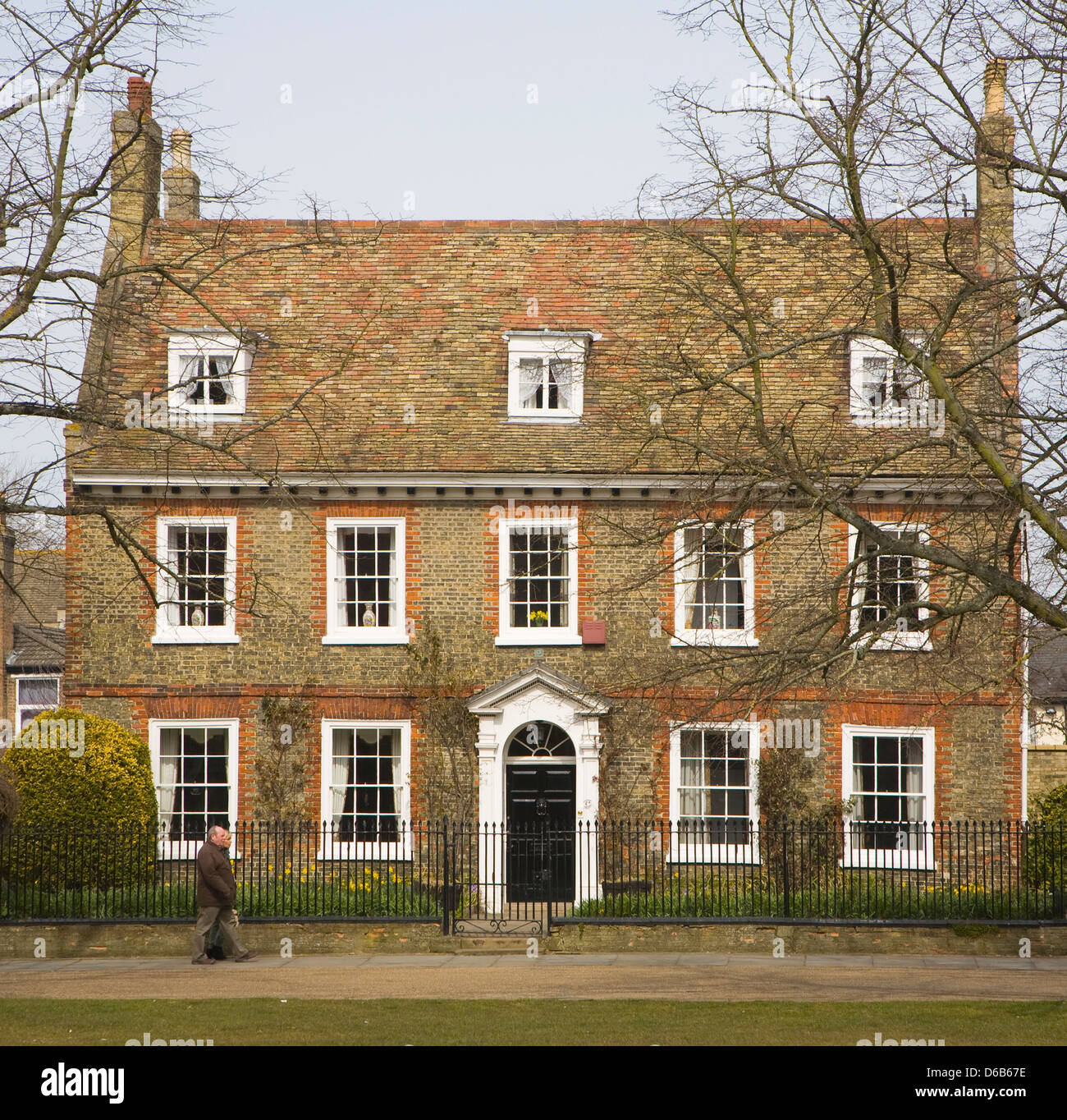
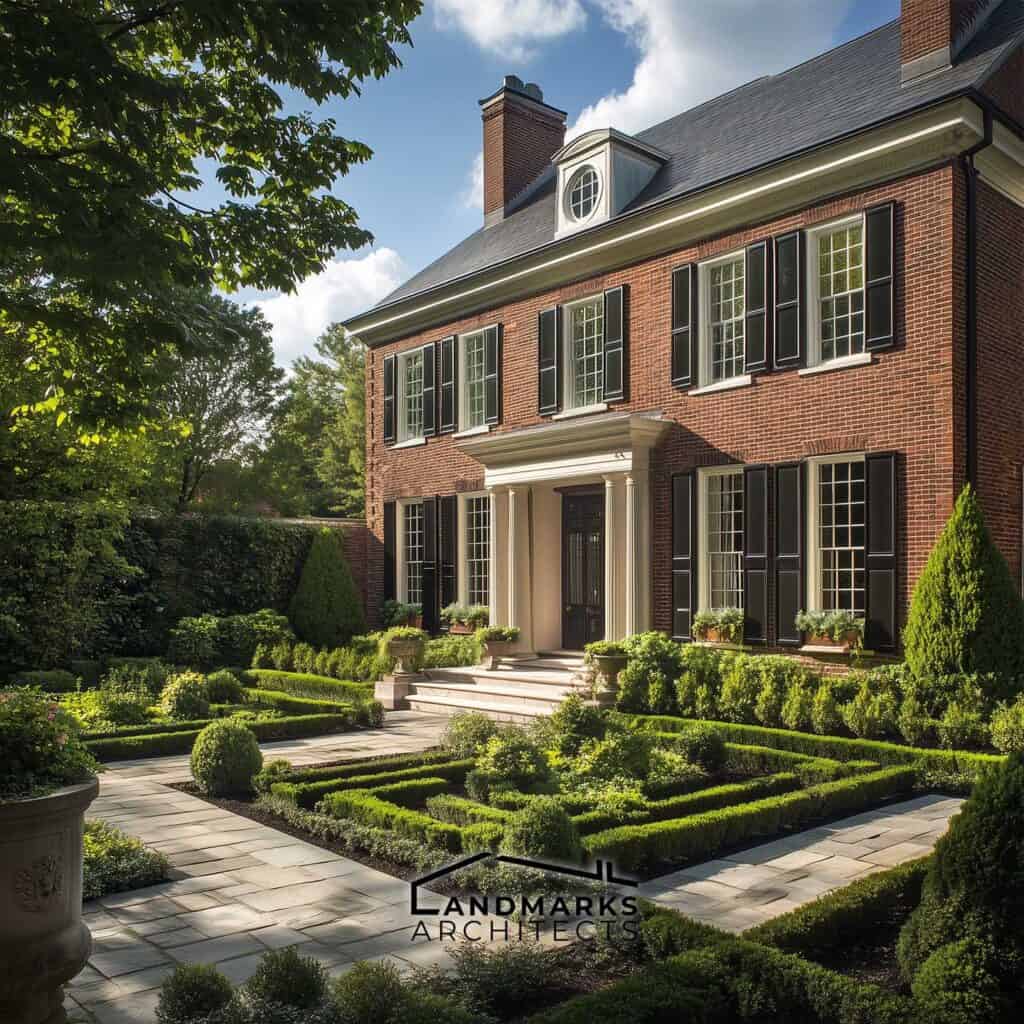
Georgian architecture is characterized by its emphasis on balance and symmetry, using materials like brick and stone. Key features of Georgian architecture include transom and multi-panel windows, detailed plasterwork, and typical rooflines that are hipped or have side gables. The Georgian color palette combines muted pastels and earth tones with ornate decorative elements for a refined and ...
Georgian -style residences were built to provide the appearance of more space and natural light, which earlier architectural elements lacked. Georgian architecture is a wide genre that includes great English country estates, tiered townhouse complexes in London and Ireland, US plantation houses, and New England residences and university campuses.