Mastering the Concepts of Glp-1 Agonist Glucose Uptake Kinetics Muscle Visually
Overview of Glp-1 Agonist Glucose Uptake Kinetics Muscle
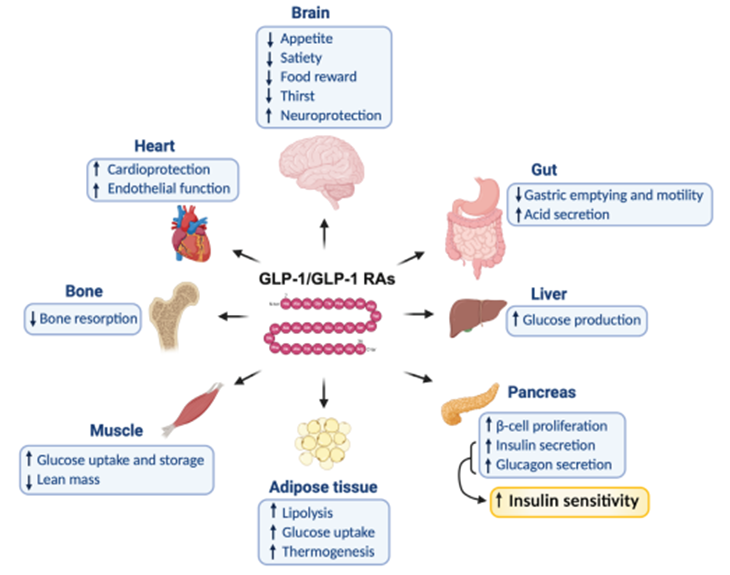
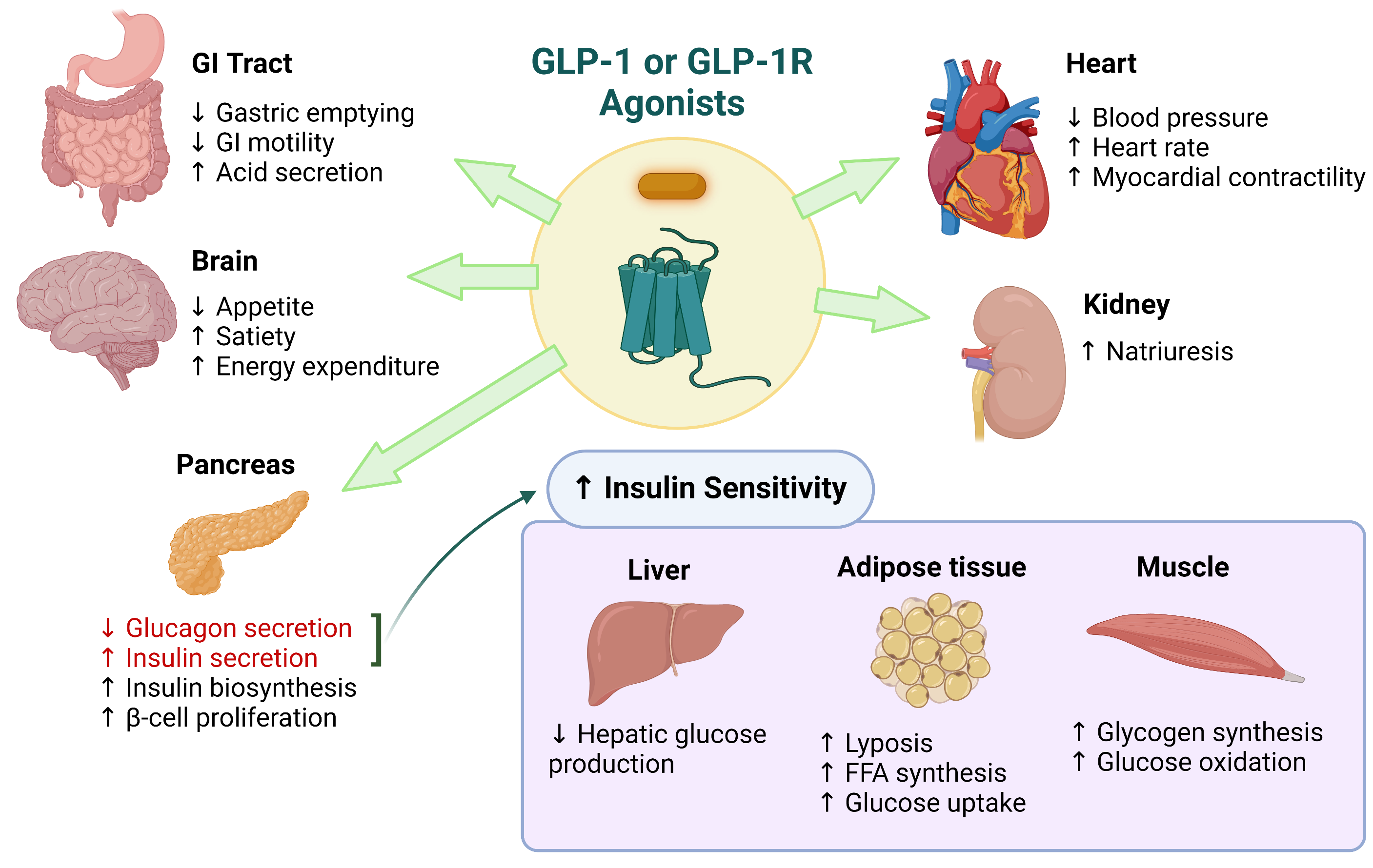
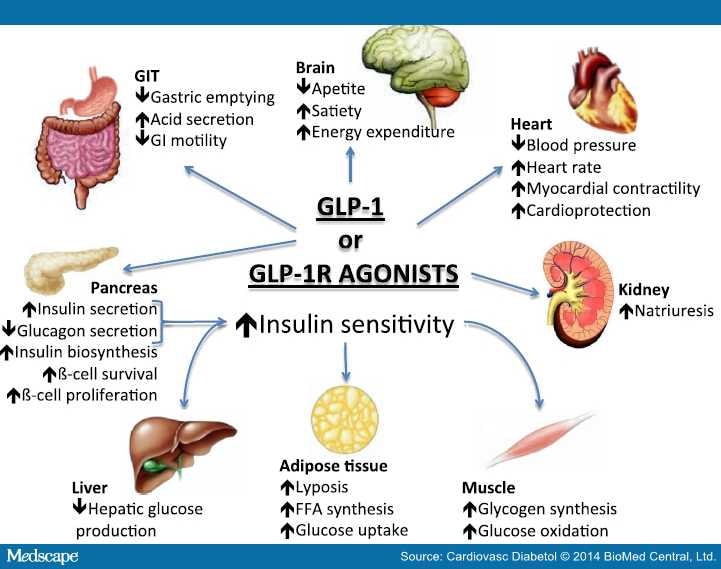
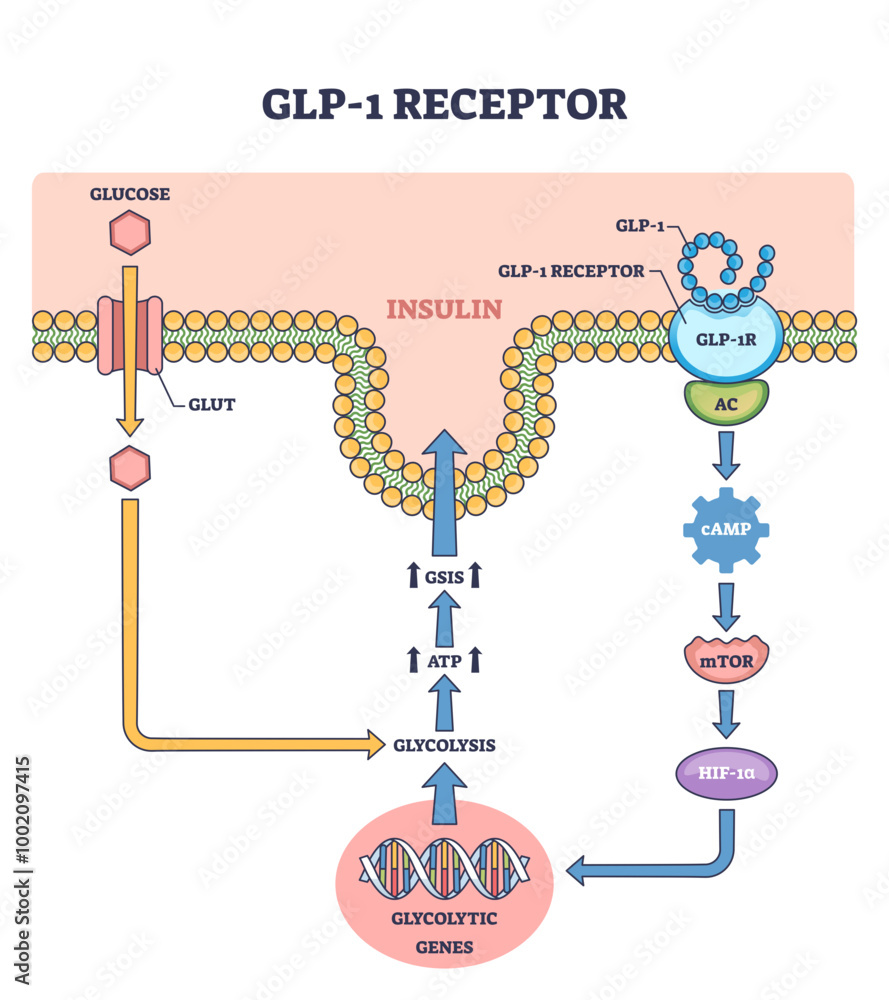
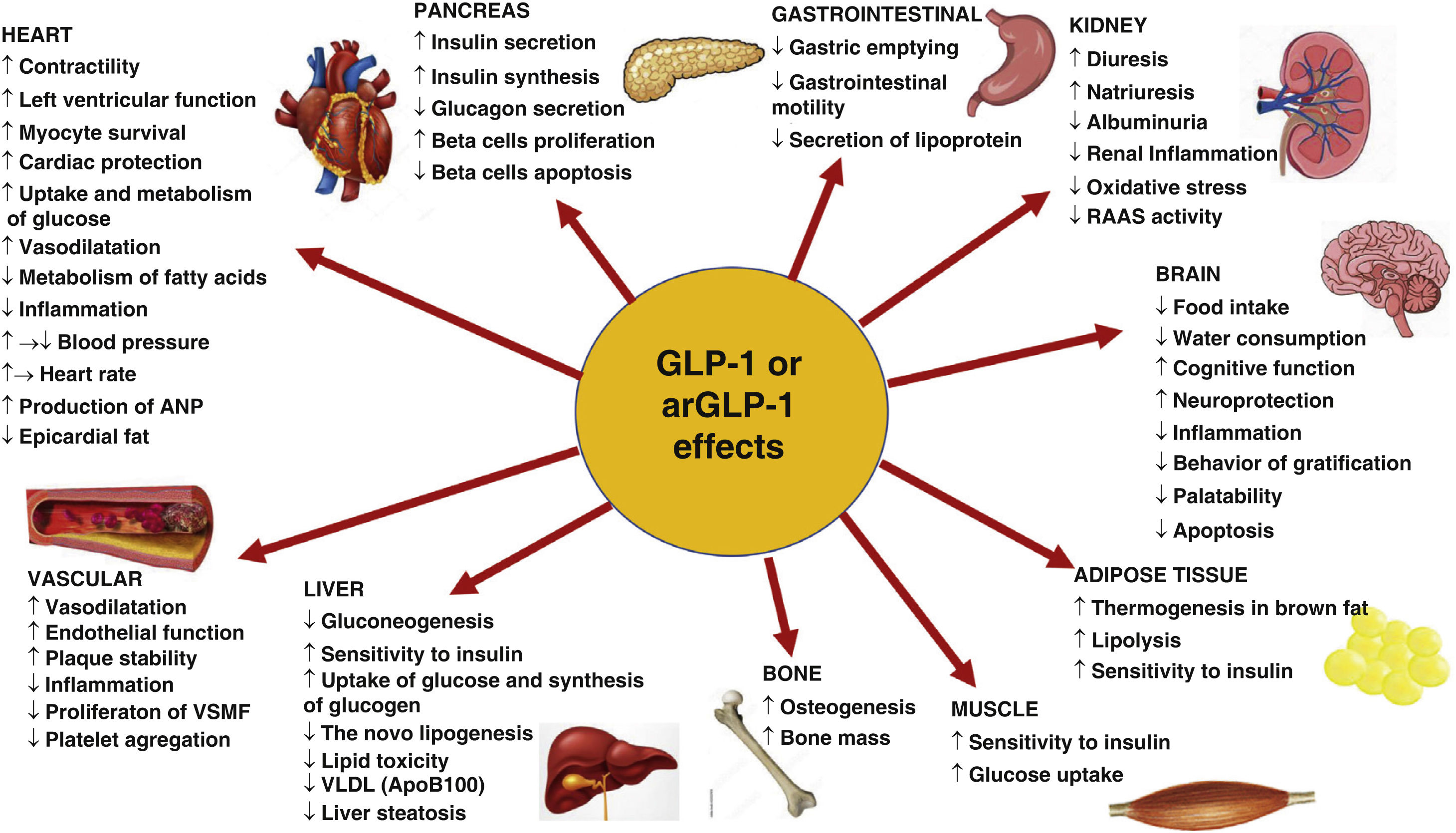
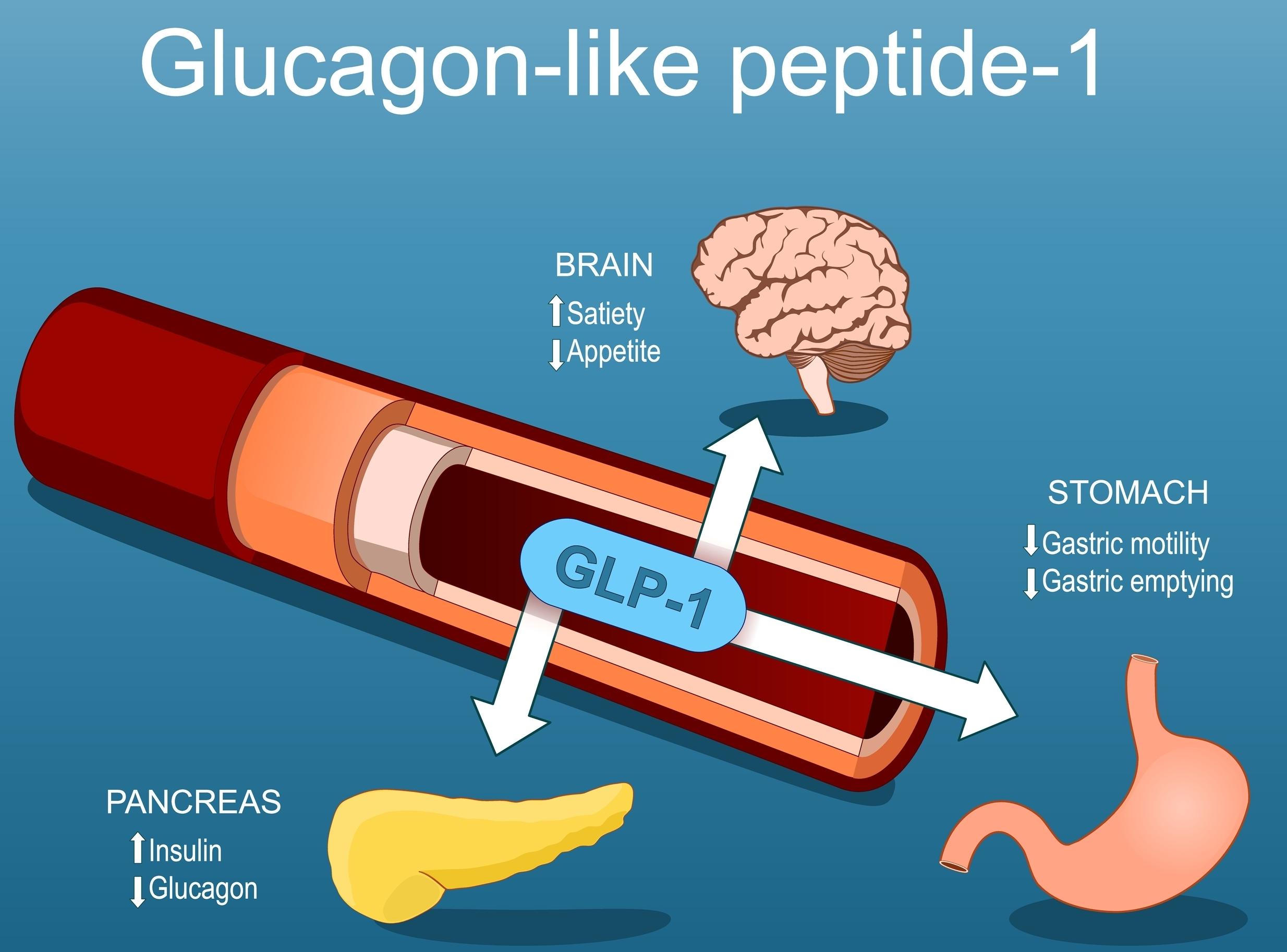
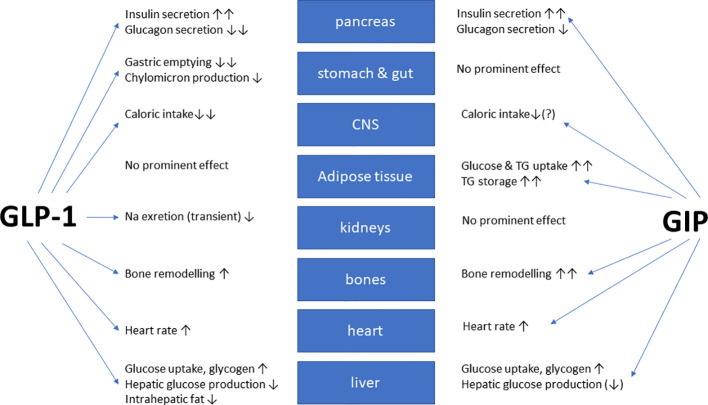
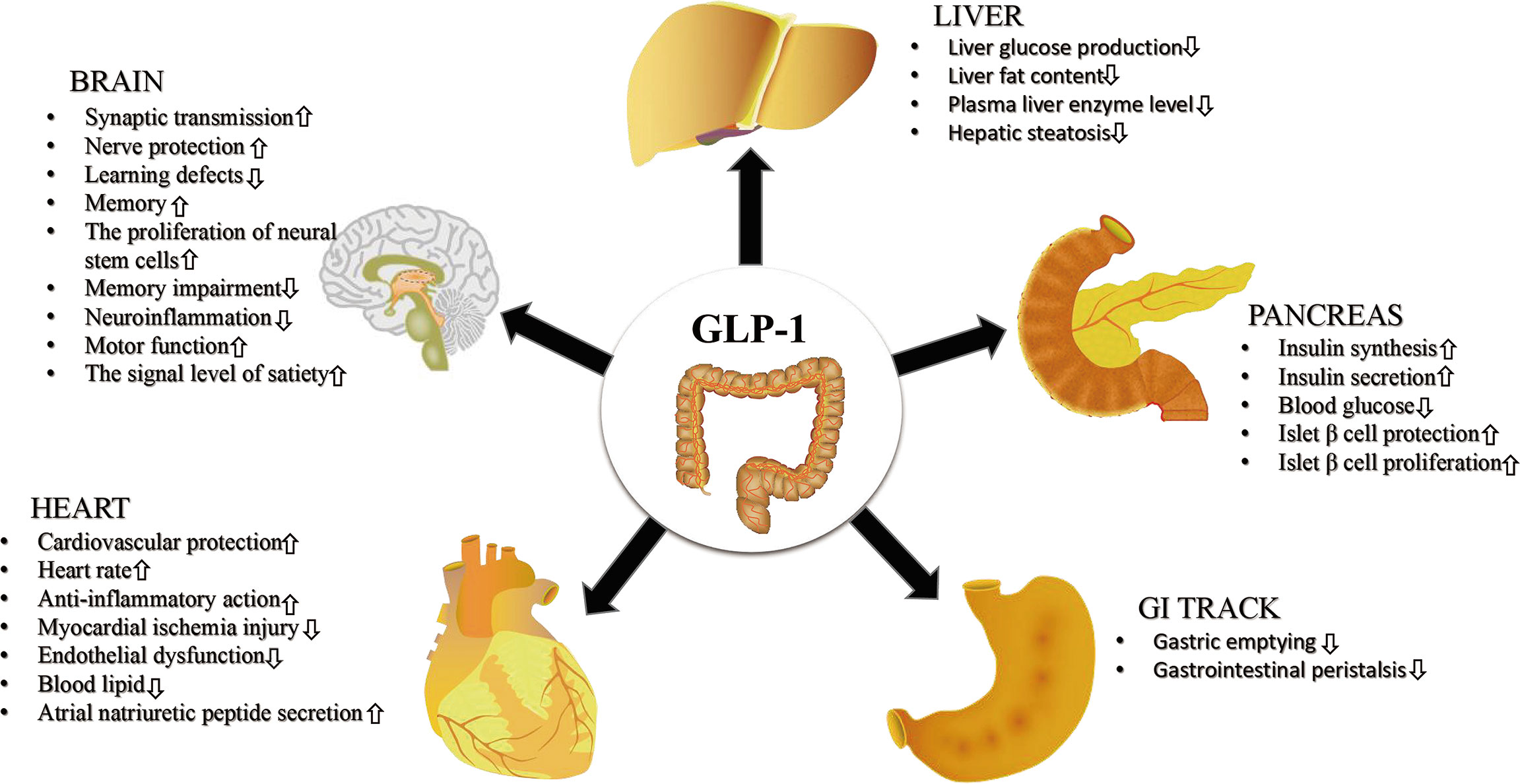
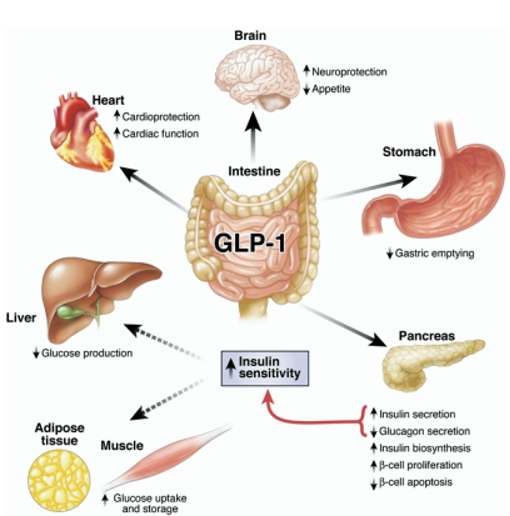
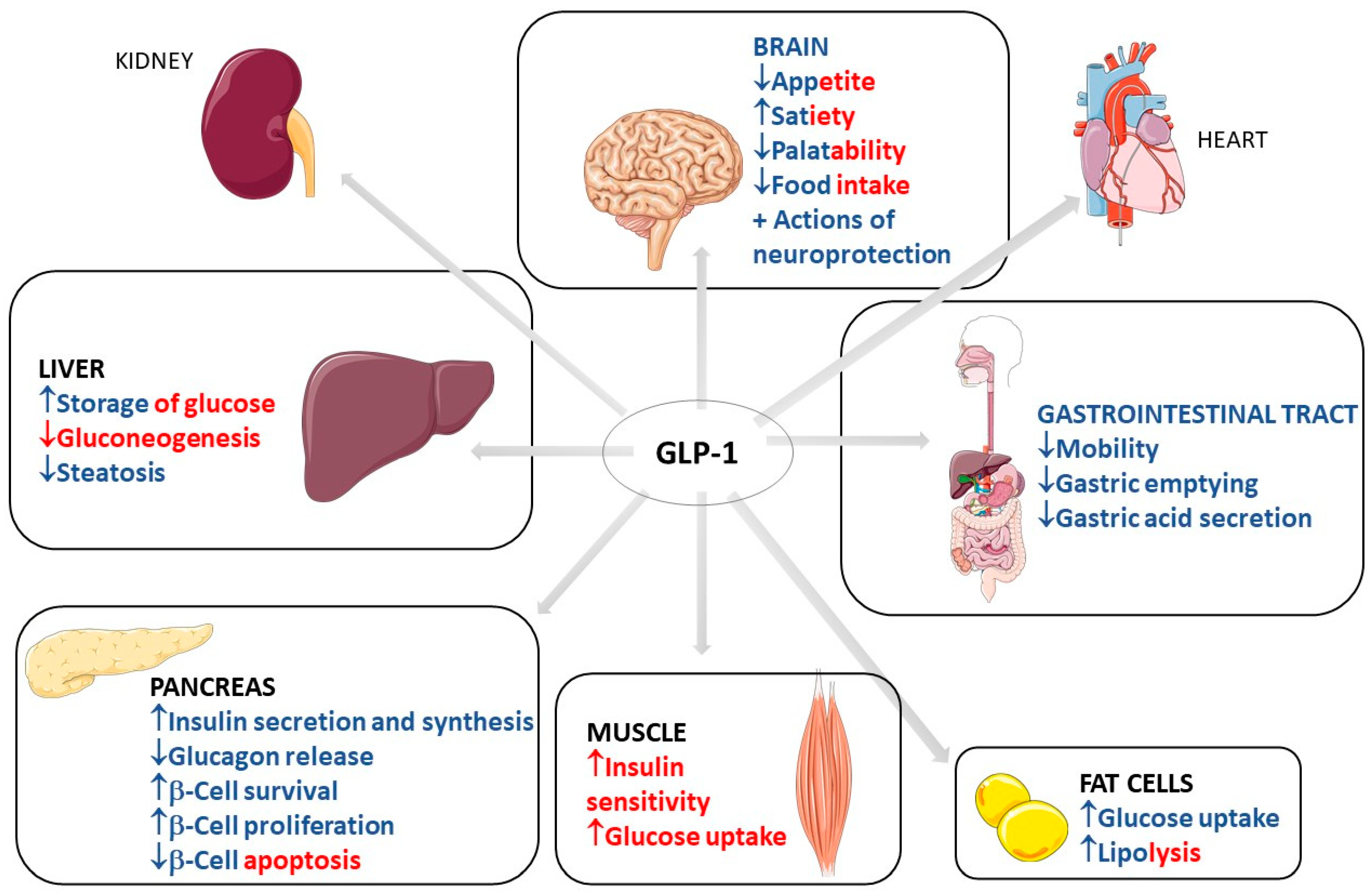
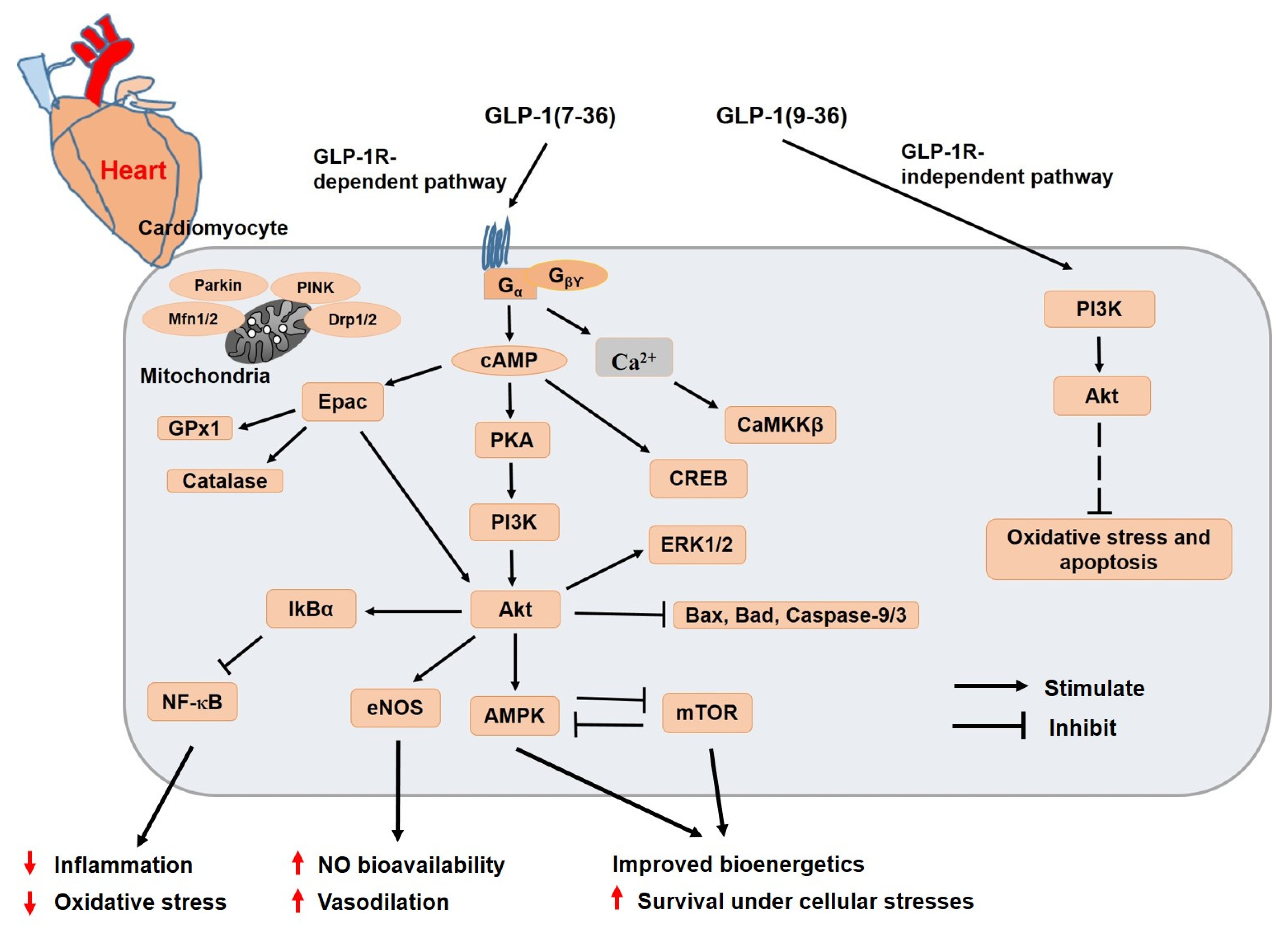
Increasing GLP-1 activity, through endogenous or exogenous GLP-1 or GLP -1R agonists , increases glycogen synthesis and glucose uptake in skeletal muscle via AMP-activated protein kinase (AMPK) activation [96].
Glp-1 Agonist Glucose Uptake Kinetics Muscle
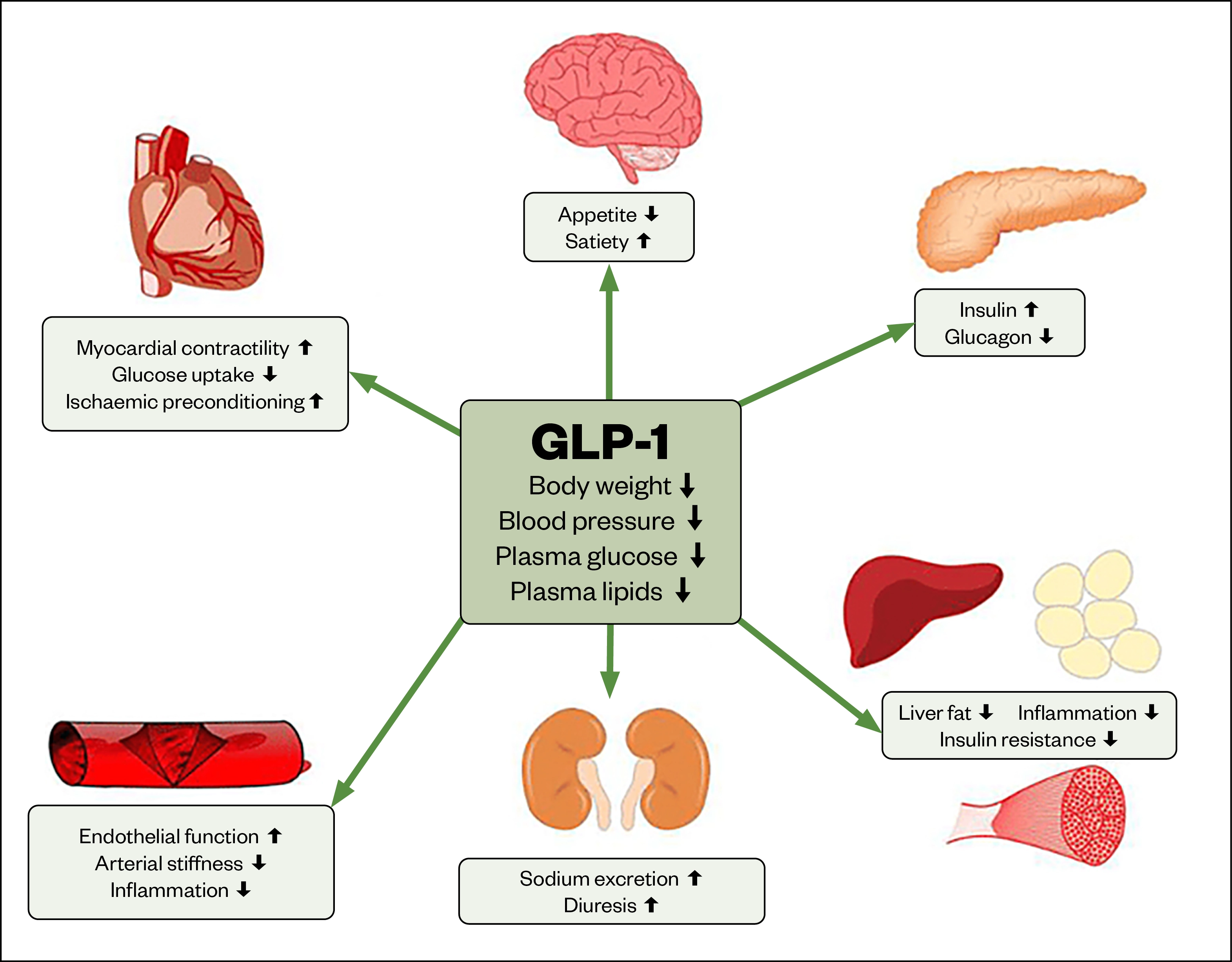
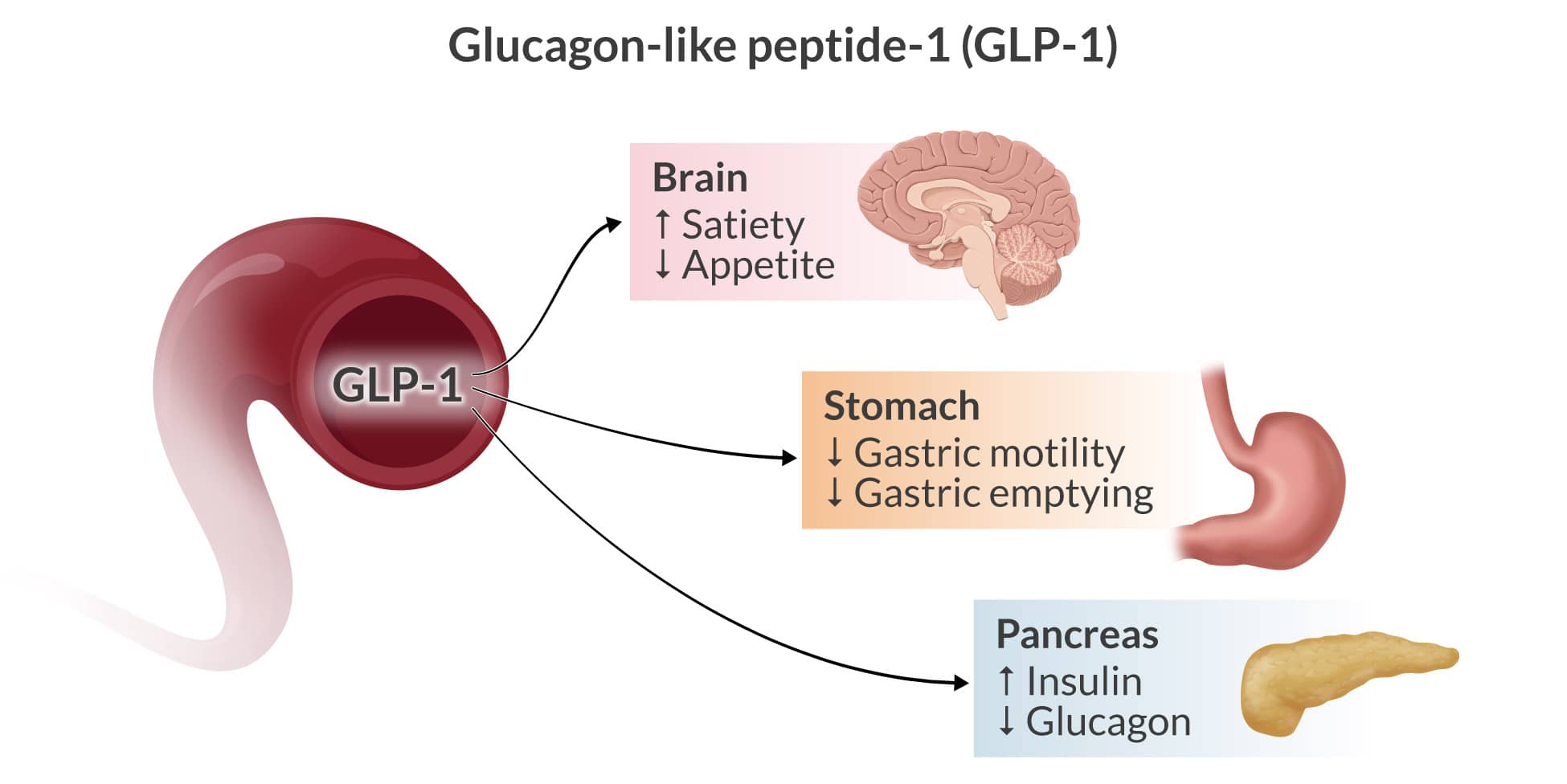
As we can see from the illustration, Glp-1 Agonist Glucose Uptake Kinetics Muscle has many fascinating aspects to explore.
Key Details About Glp-1 Agonist Glucose Uptake Kinetics Muscle
Glp-1 Agonist Glucose Uptake Kinetics Muscle
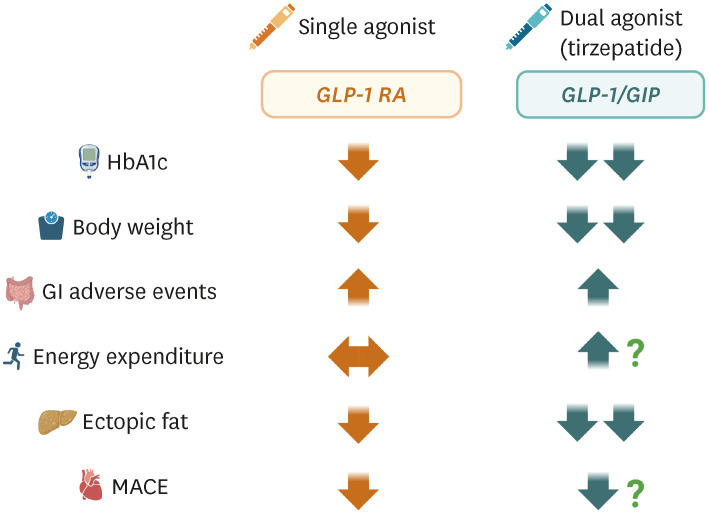
Moving forward, it's essential to keep these visual contexts in mind when discussing Glp-1 Agonist Glucose Uptake Kinetics Muscle.
NOS inhibition blocked GLP-1-mediated increases in muscle MBV, glucose disposal, NO production, and muscle insulin clearance/ uptake . In conclusion, GLP-1 acutely recruits microvasculature and increases basal glucose uptake in muscle via a NO-dependent mechanism.
Glp-1 Agonist Glucose Uptake Kinetics Muscle
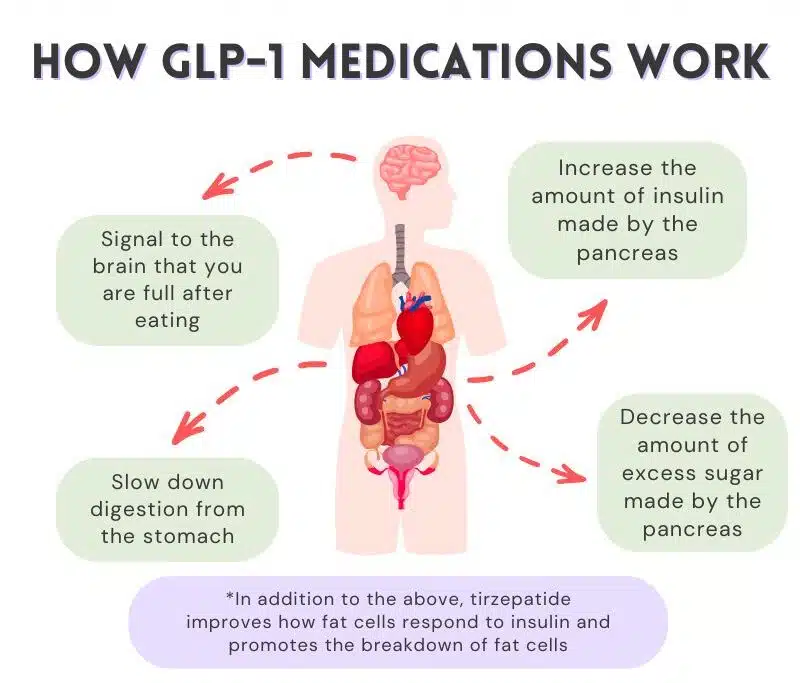
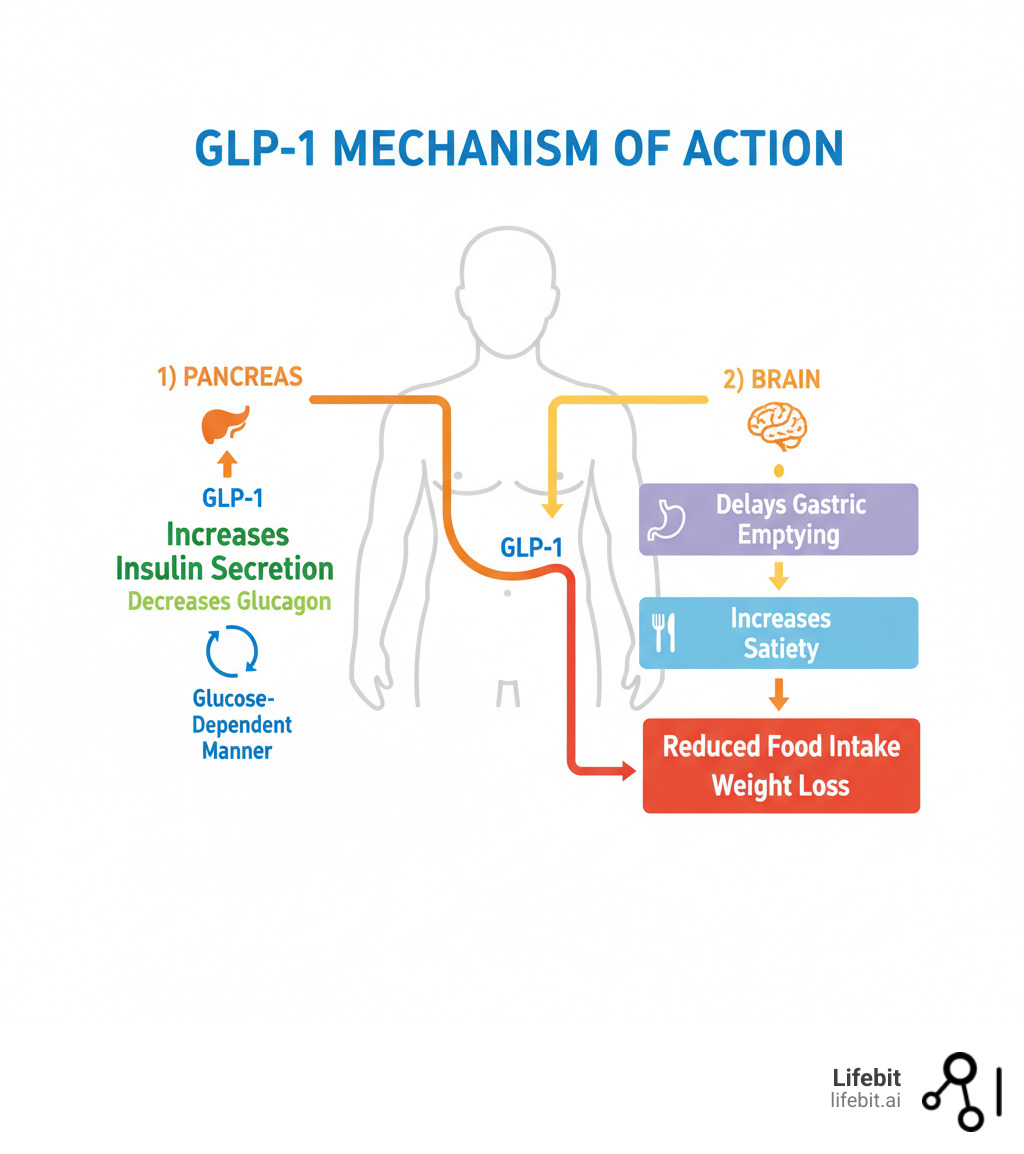
As we can see from the illustration, Glp-1 Agonist Glucose Uptake Kinetics Muscle has many fascinating aspects to explore.
Effects of GLP
The hormone glucagon-like peptide 1 ( GLP-1 ) facilitates postprandial glucose uptake as well as augmenting muscle perfusion, independent of insulin action. We thus hypothesized exogenous GLP-1 infusions would enhance muscle perfusion and positively affect glucose metabolism during fed-state clamps in older people.