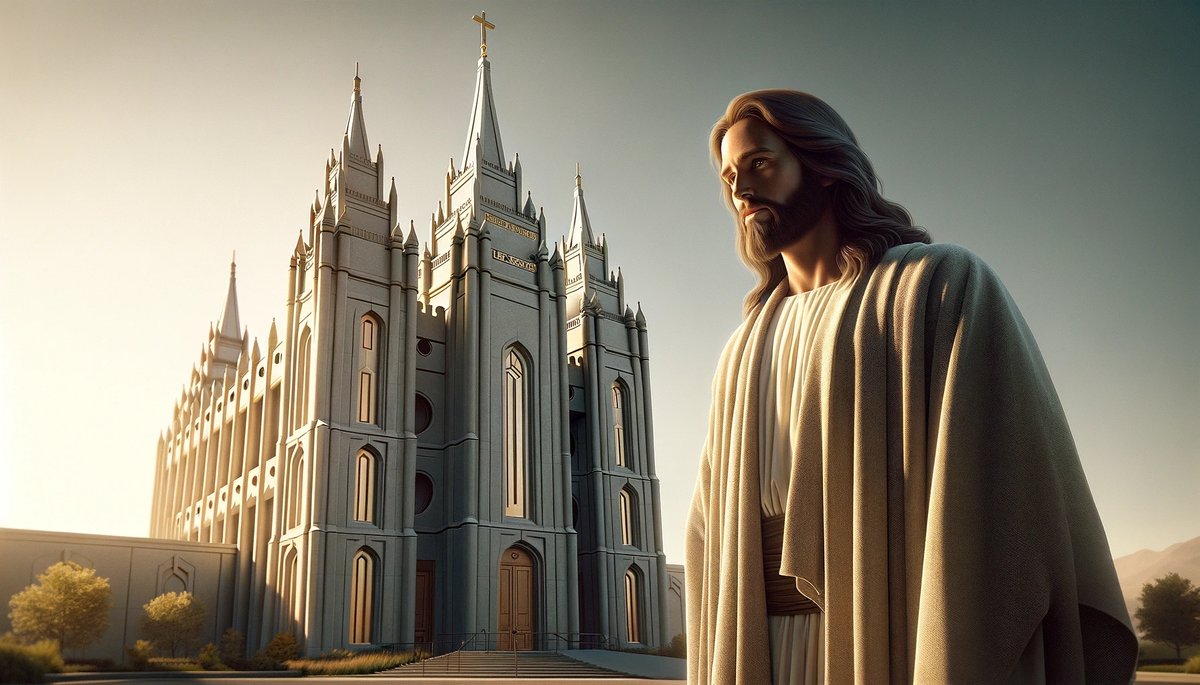
The Evolution of Churches
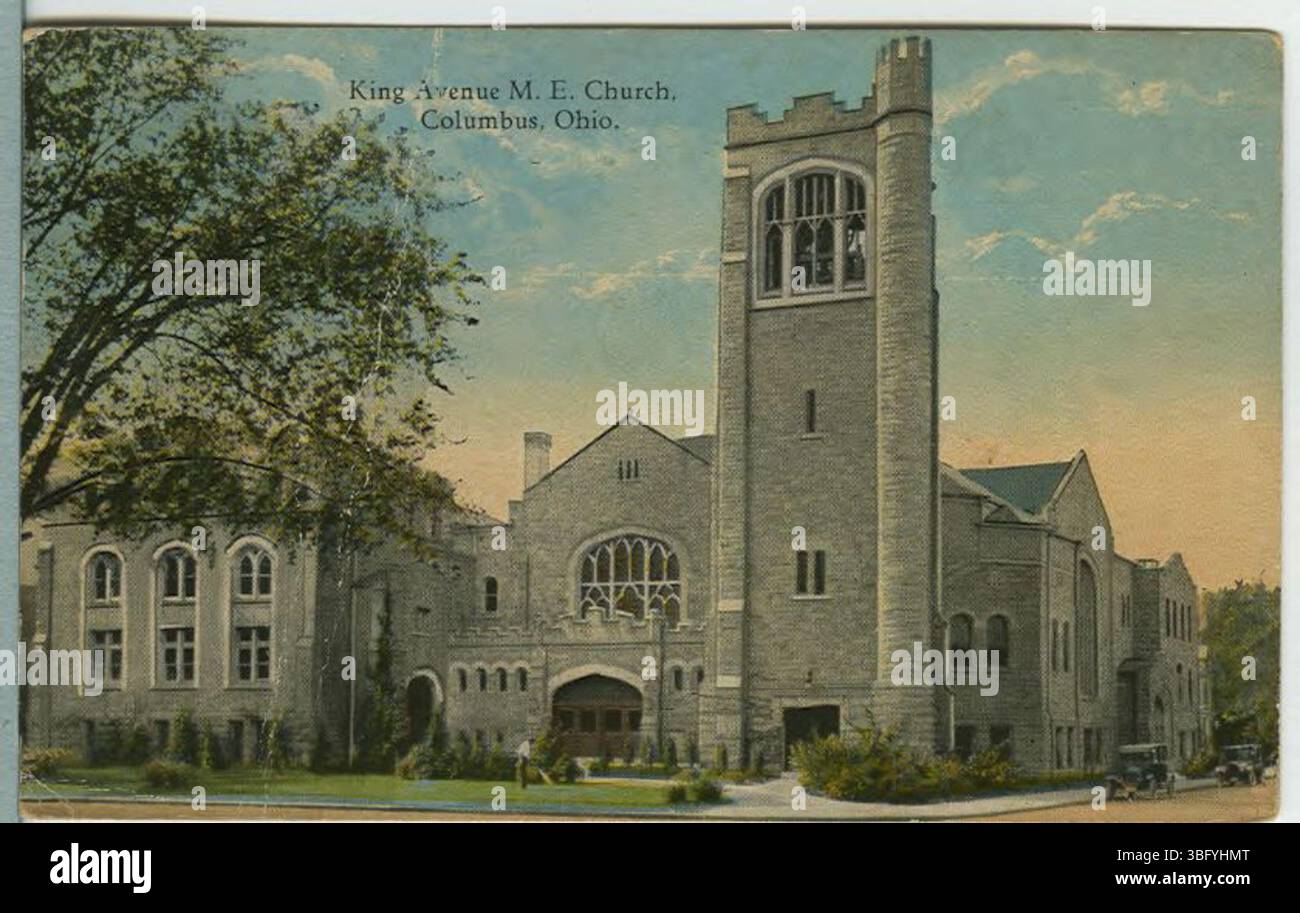
As Christianity gained state support, the construction of formal church buildings became a priority. These early churches, such as the Basilica of St. John Lateran in Rome, were modeled after Roman administrative buildings, symbolizing the shift from grassroots movements to established institutions.
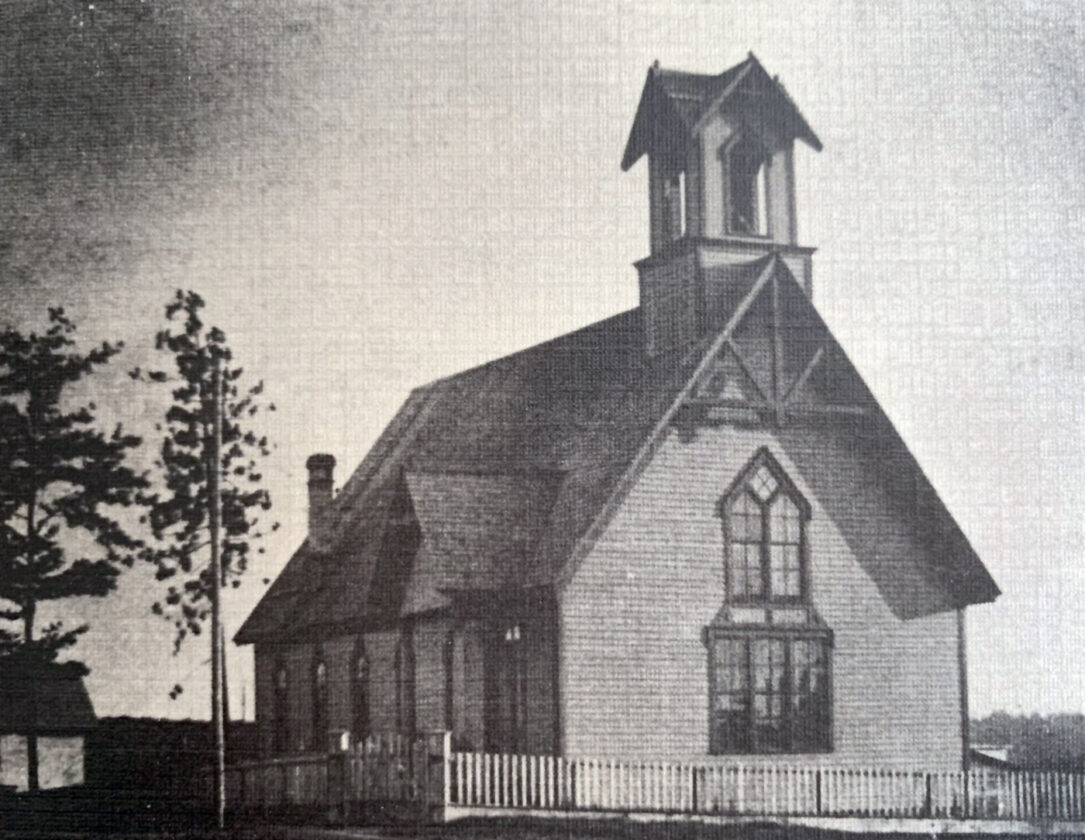
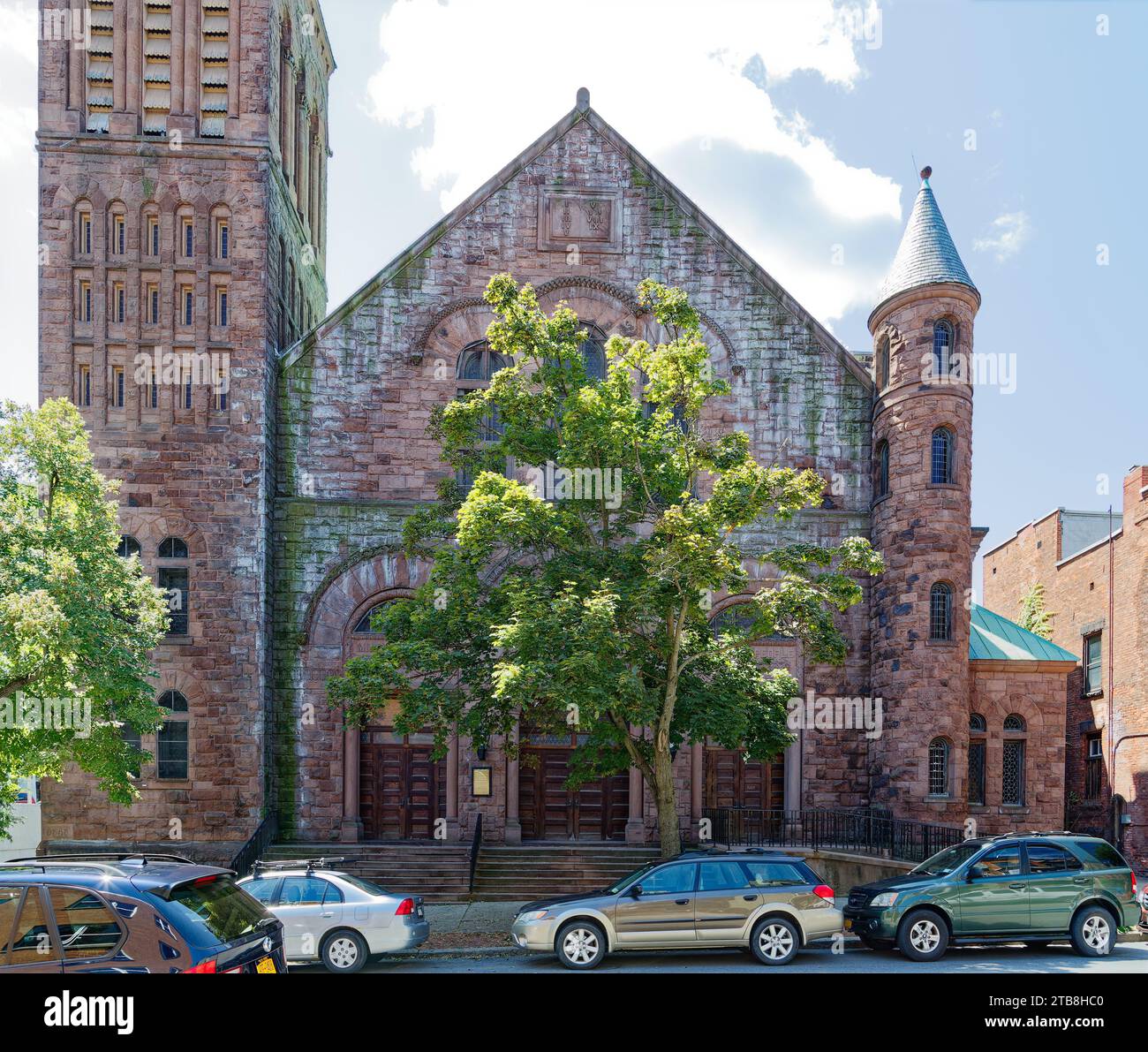
The church , known as The Light House, was built in 1915 and later became a church for Christian Scientists. Right before it was going to be demolished, a seismic engineer bought it and renovated ...

History of Christianity
The ascetic ideal of these early Church Fathers was also embraced by monasticism, which had begun earlier in Syria, and was key to the development of Christianity. [136][137][138] In Late Antiquity, monastic communities became associated with the urban holy places in Palestine, Cappadocia, Italy, Gaul, and Roman North Africa. [139]

Soon, the temple and the Acropolis hill became a Christian pilgrimage center of great importance throughout the history of Byzantium. Pilgrims from all over Greece and and the Orthodox world flocked to Acropolis as pilgrims to the Virgin Mary.
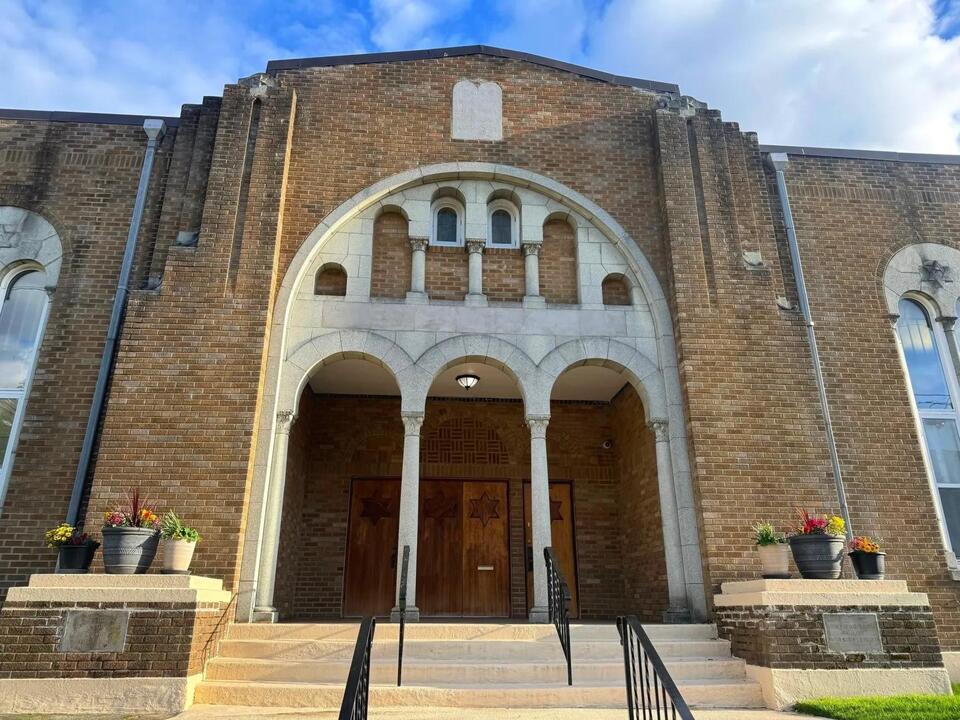
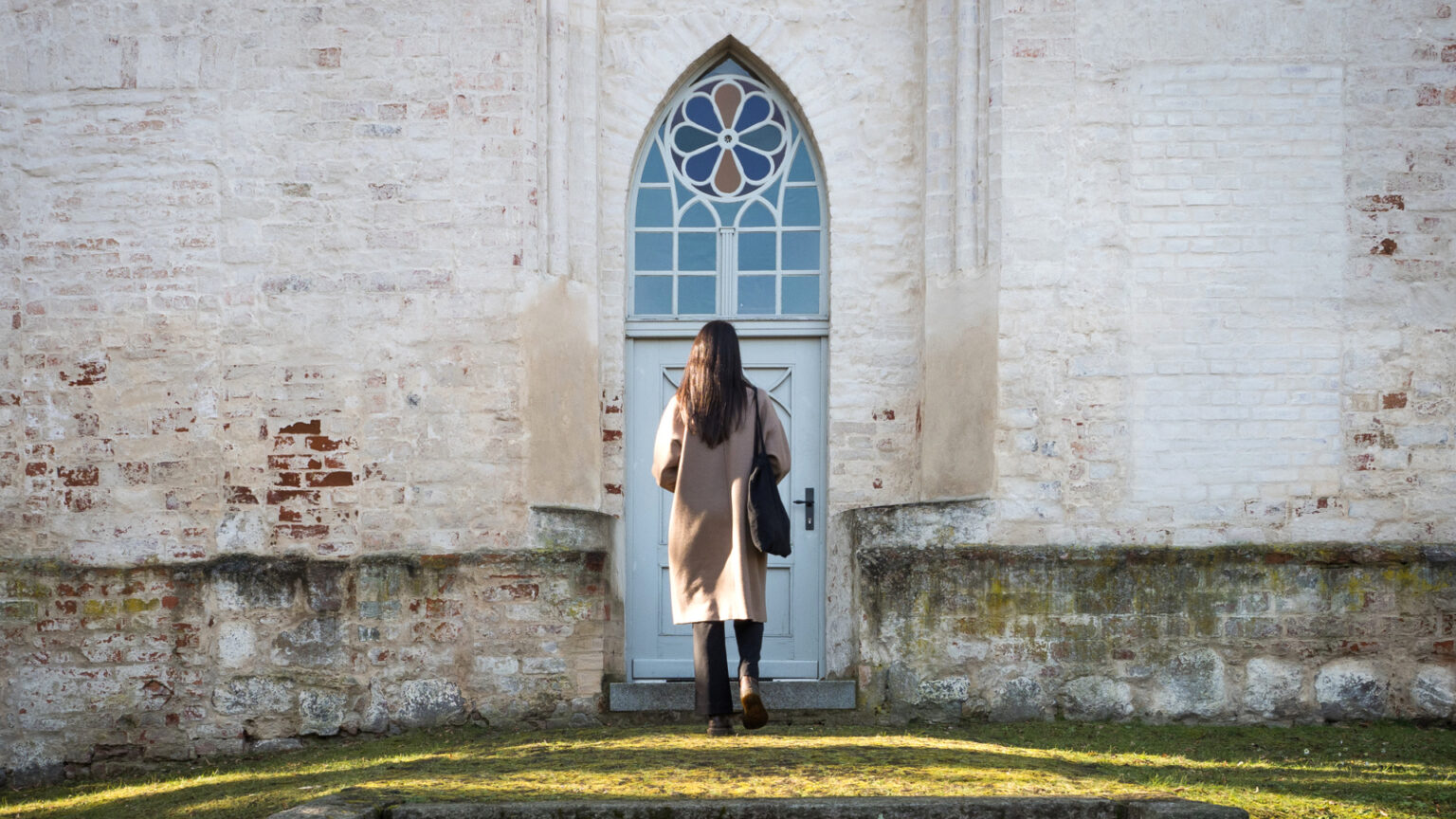
Church conversions became popular largely as a response to changing social, religious, and economic dynamics. As secularization progressed, many churches faced declining attendance and rising maintenance costs, leading to the exploration of alternative uses for these historic buildings.

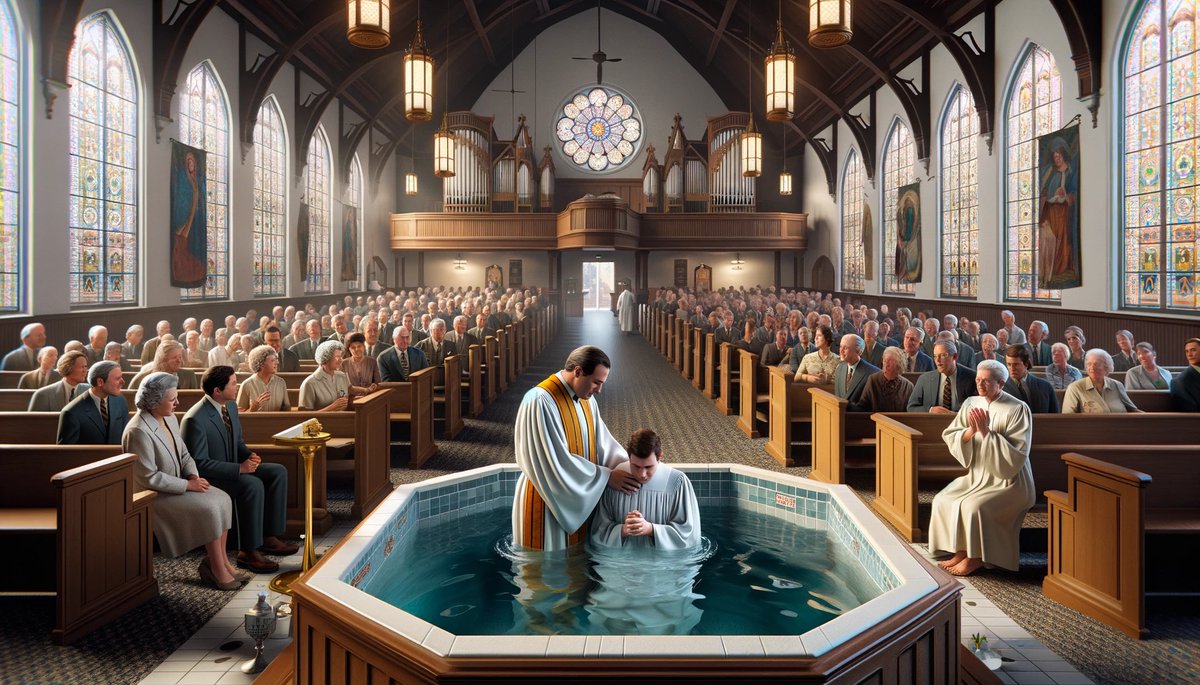
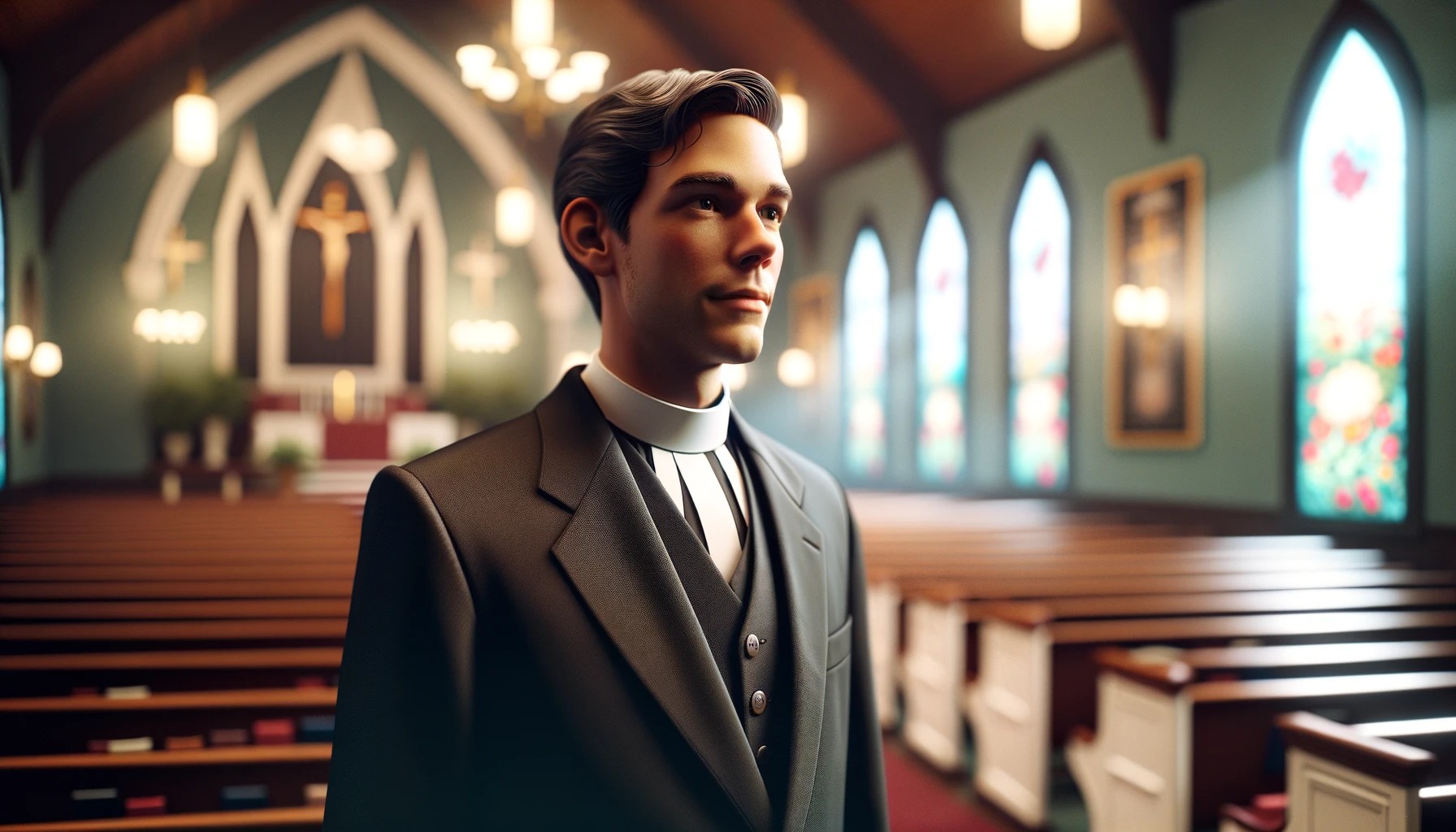
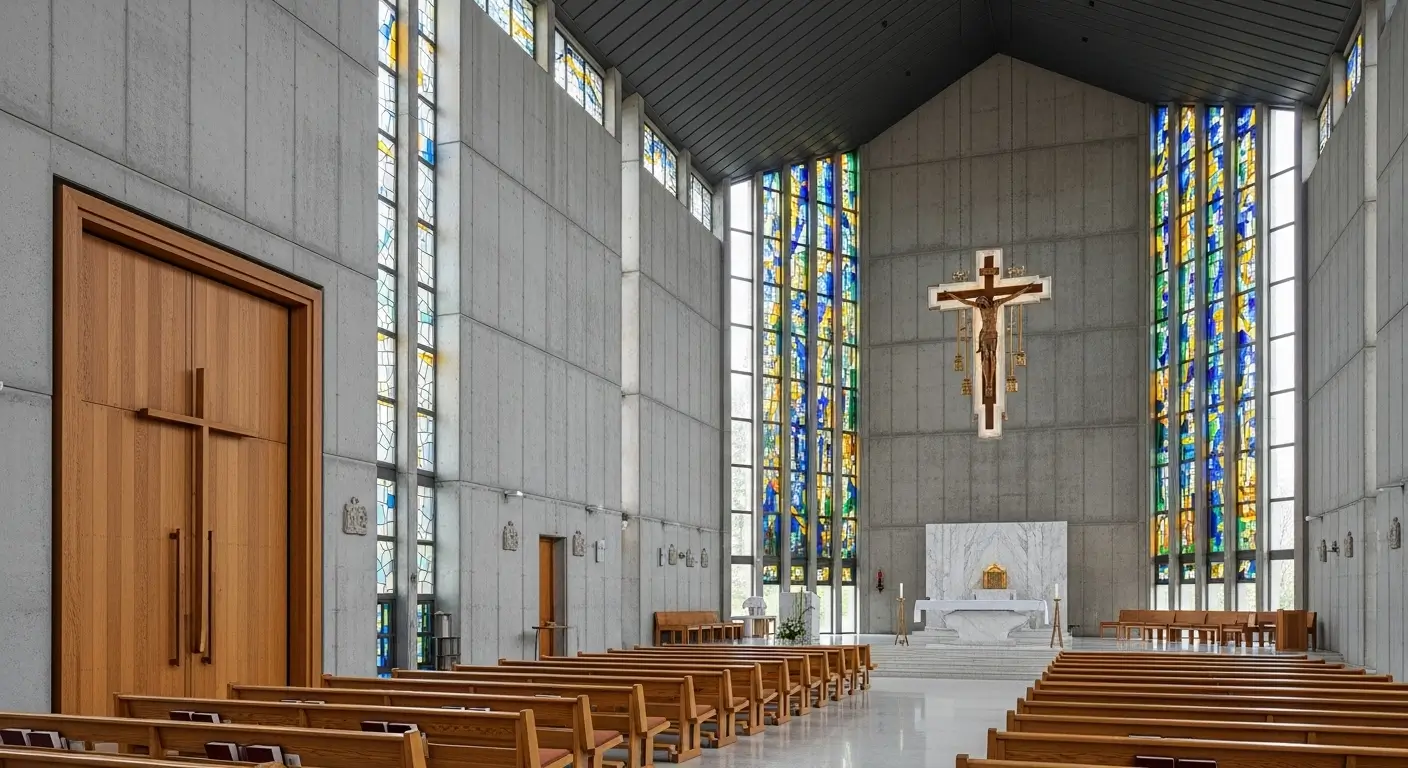
Modern Church Buildings Become Simpler Later , other Protestant groups arose. Baptists, Evangelicals, Pentecostals, and Charismatics eliminated further human traditions from Christian practice and accepted more of the word of God.