Mastering the Concepts of Ivermectin For Toxocariasis Visually
Apparent Weak Efficacy of Ivermectin for Treatment of Human Toxocariasis
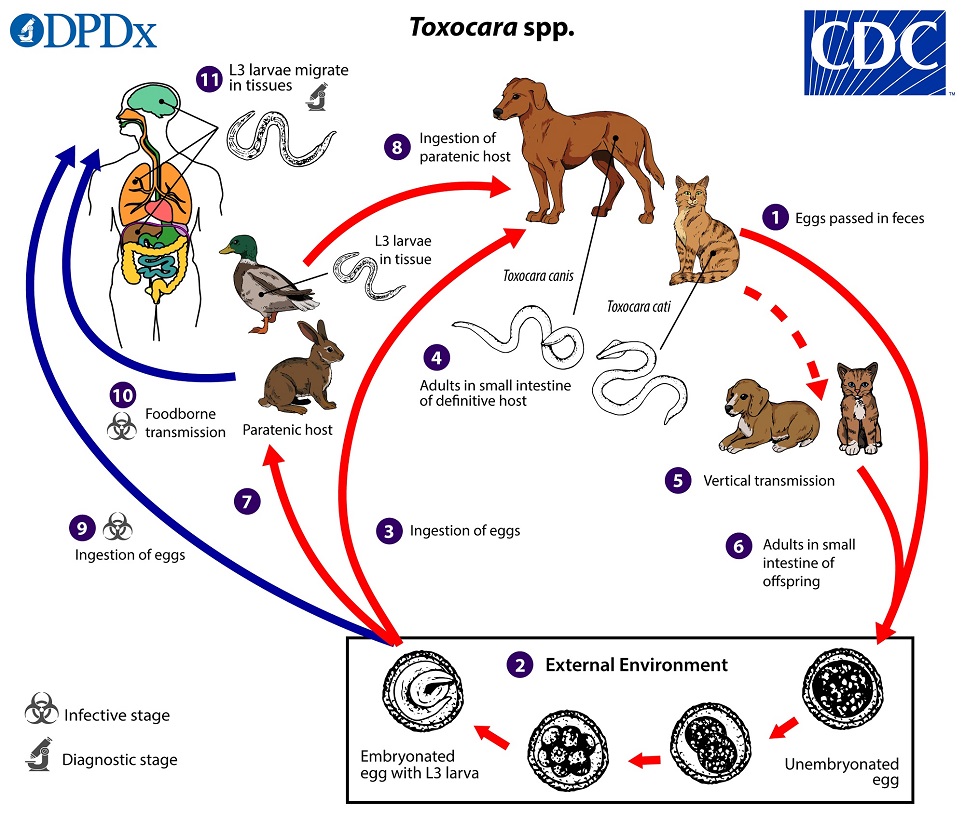
Toxocariasis is a worldwide helminthic zoonosis due to the infection of humans by larvae of Toxocara canis, the common roundworm of dogs, or T. cati, a parasite of cats. Regarding treatment, only diethylcarbamazine (DEC) and mebendazole (MBZ), given daily orally (p.o.) for 21 days at 4 mg kg of body weight (bw)−1 and 25 mg kg bw−1, respectively, have to date demonstrated good efficacy (4).
Larger-scale controlled studies with placebo groups, therefore, have to be carried out to assess the real efficacy of ivermectin for the treatment of human toxocariasis .
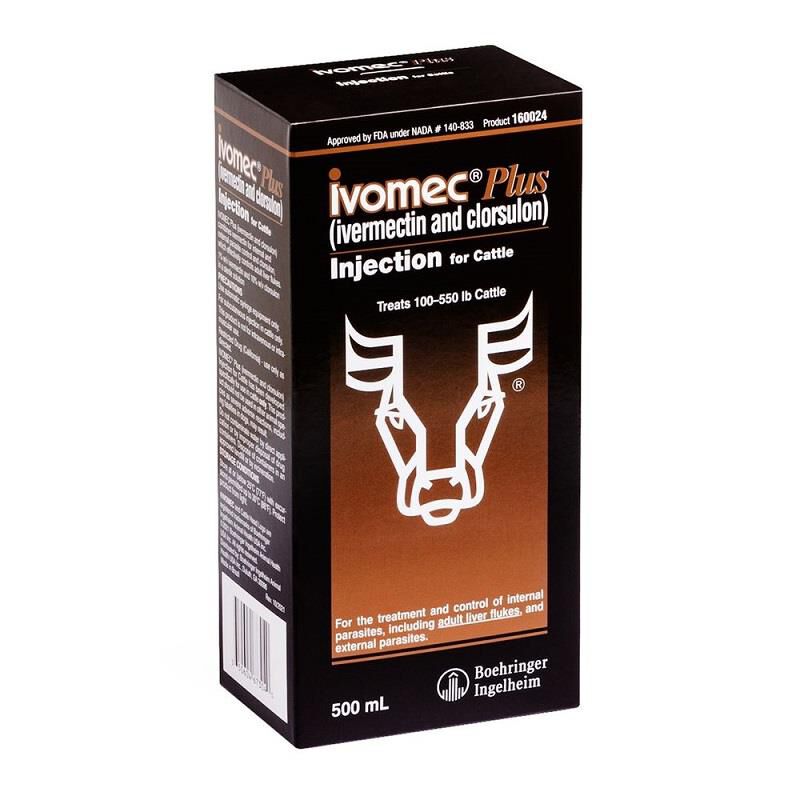
Ivermectin For Toxocariasis
As we can see from the illustration, Ivermectin For Toxocariasis has many fascinating aspects to explore.
Introduction: The clinical presentation of Toxocariasis is varied, making diagnosis and treatment challenging. It is crucial to assess the efficacy and safety of medication to select an appropriate treatment regimen. Objectives: Evaluating the effectiveness and safety of Albendazol and Ivermectin to treat dogs and cats Toxocara worm infection in humans, Khanh Hoa Province. Subjects and methods ...
The diagnostic methods for toxocariasis are discussed in this chapter. The rationale for treatment with anthelmintic drugs are described. A review of benzimidazole derivatives against human toxocariasis including albendazole, mebendazole, thiabendazole, diethylcarbamazine (DEC), and ivermectin is provided. In addition, this chapter discusses patients eligible for therapy, post-treatment follow ...
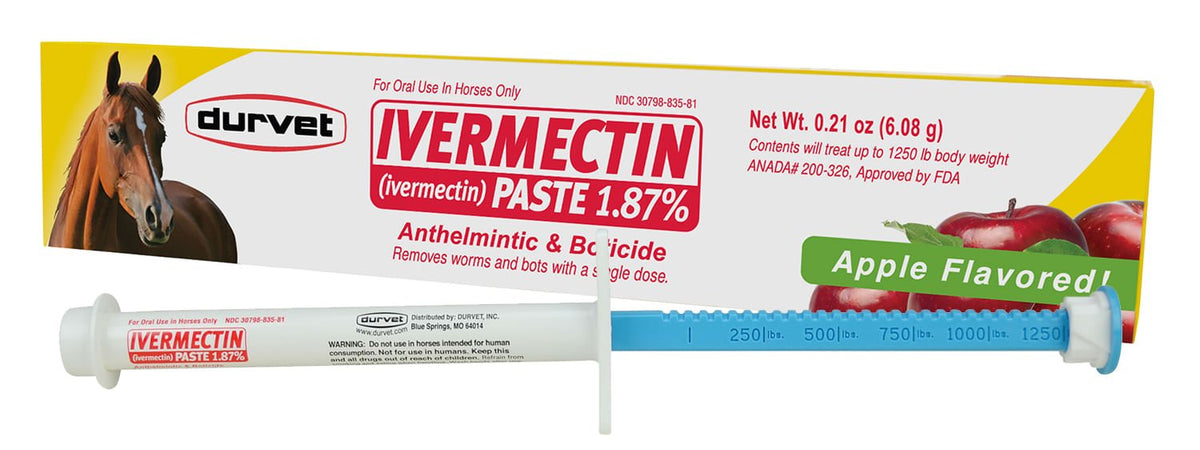
Ivermectin For Toxocariasis
Full-text article: Apparent weak efficacy of ivermectin for treatment of human toxocariasis