Understanding and Managing FoMO
Key points Though FoMO is a relatively new term, fear of social isolation has been around for millennia. FoMO is linked to social anxiety disorder and depression. A lack of inclusion and approval ...
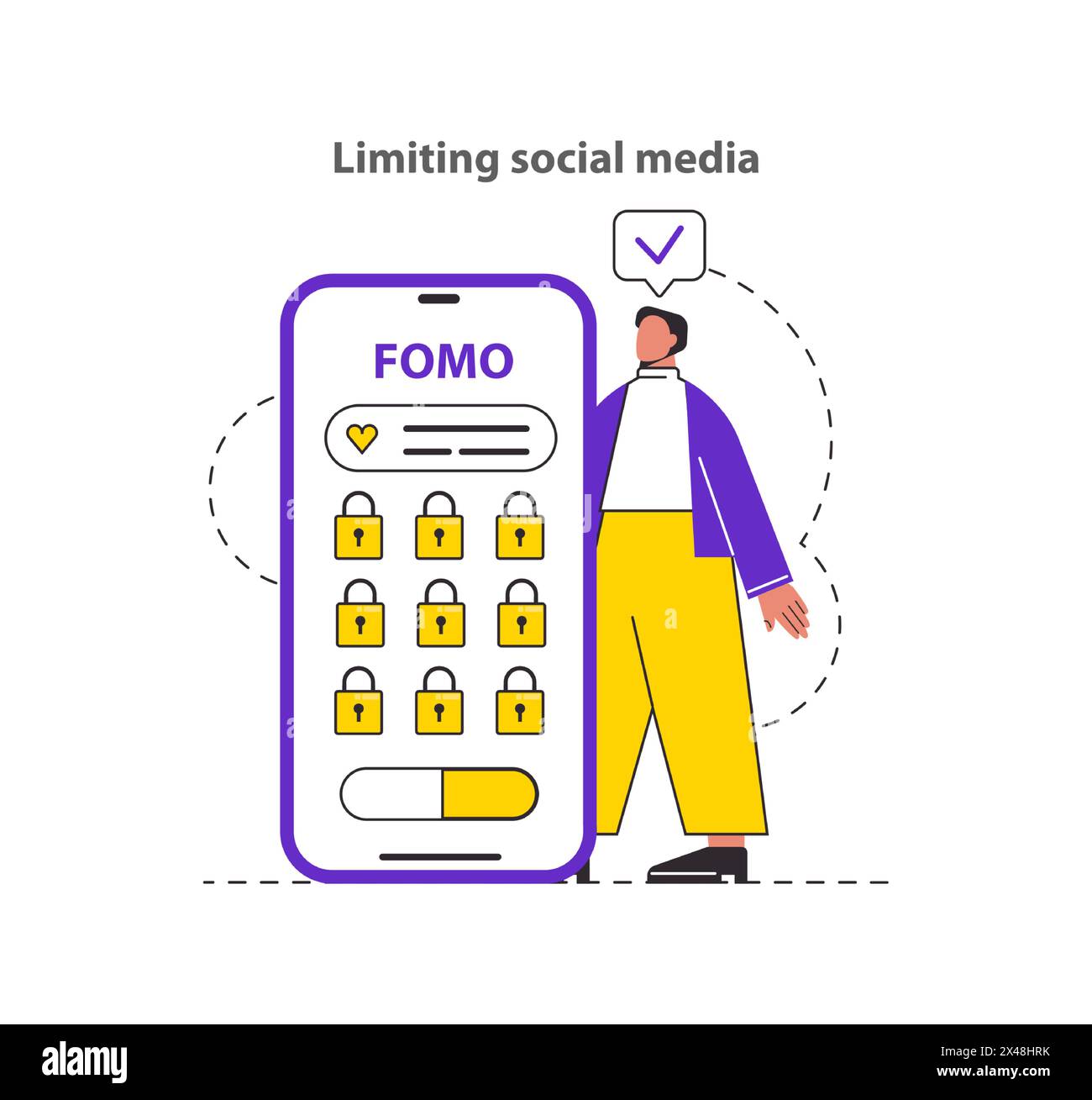
One study developed a method for managing and reducing FOMO that included increasing self-awareness about FOMO triggers and contexts, followed by learning to manage expectations about social media interactions.
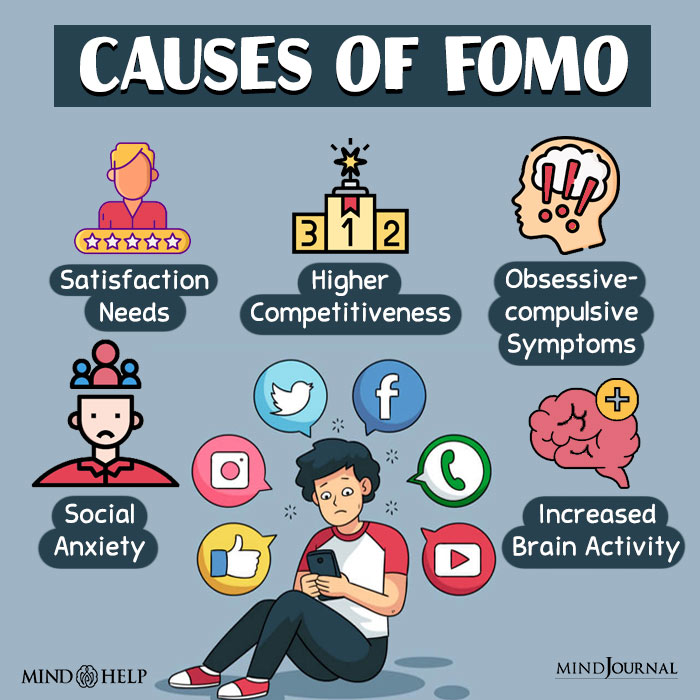
This particular example perfectly highlights why Managing Fomo In Social Isolation is so captivating.
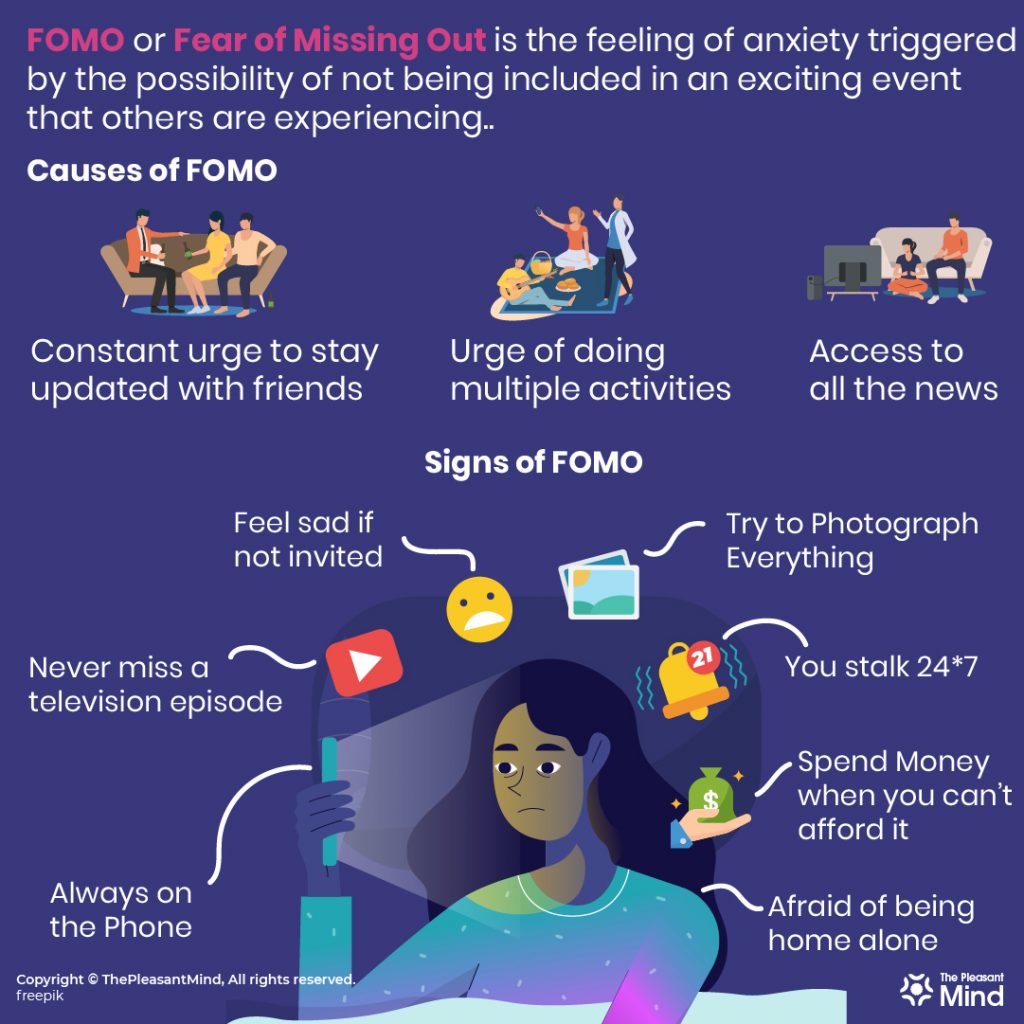
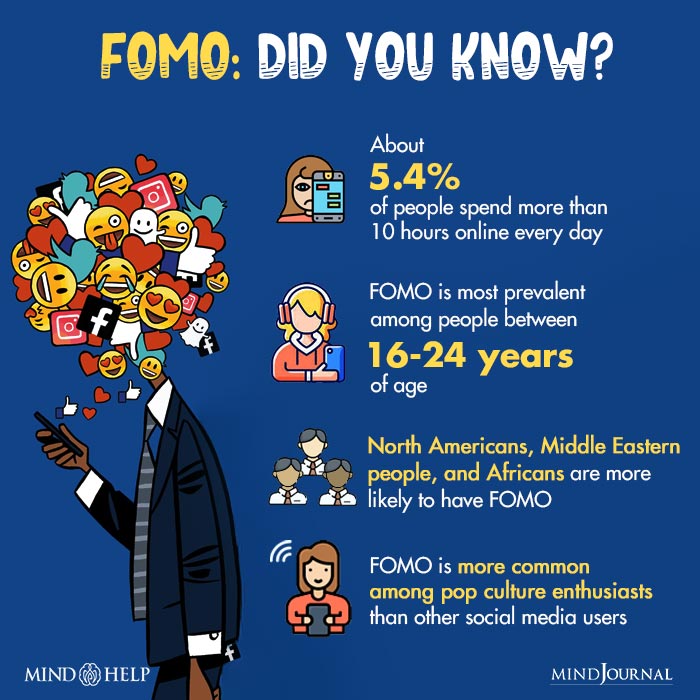
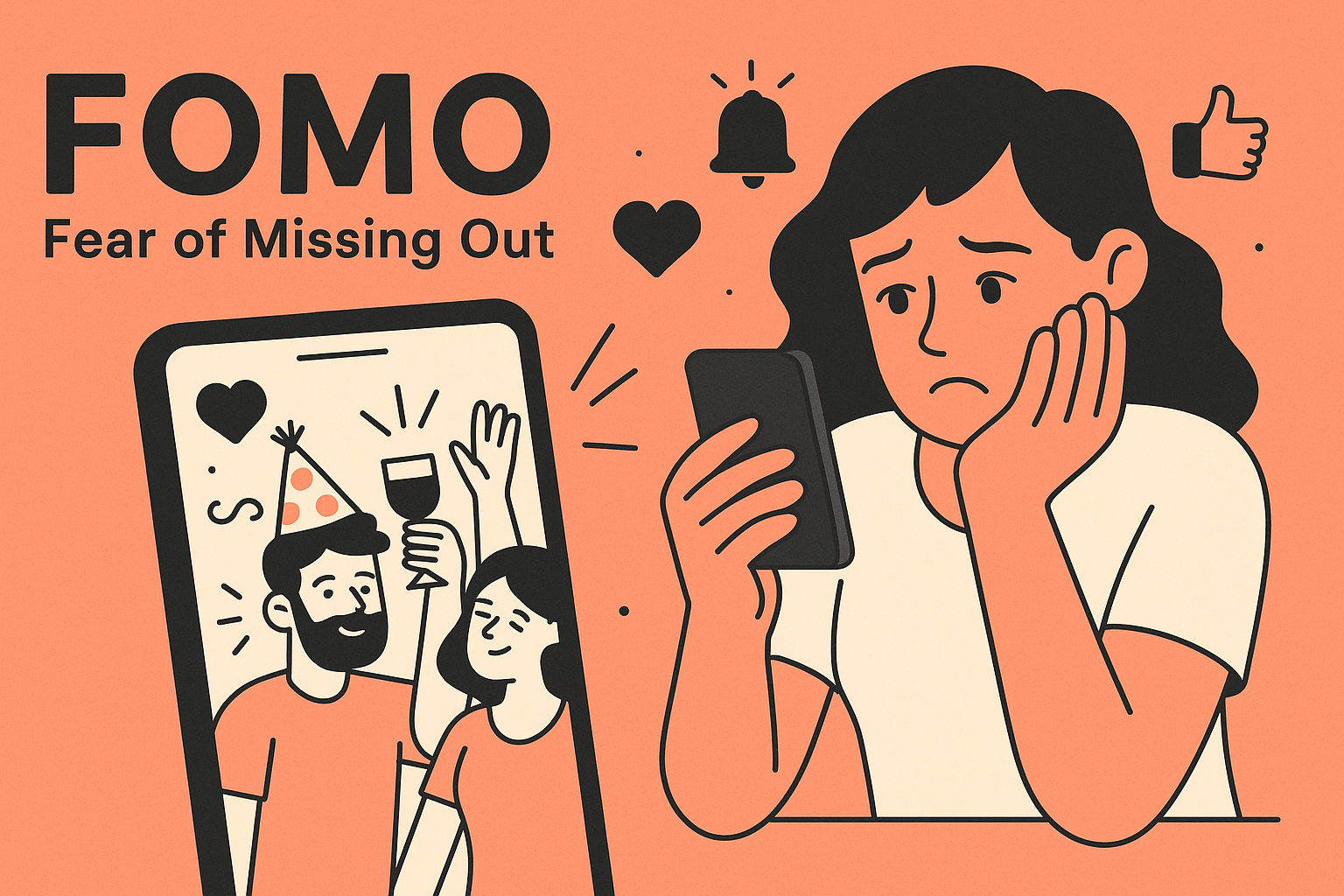
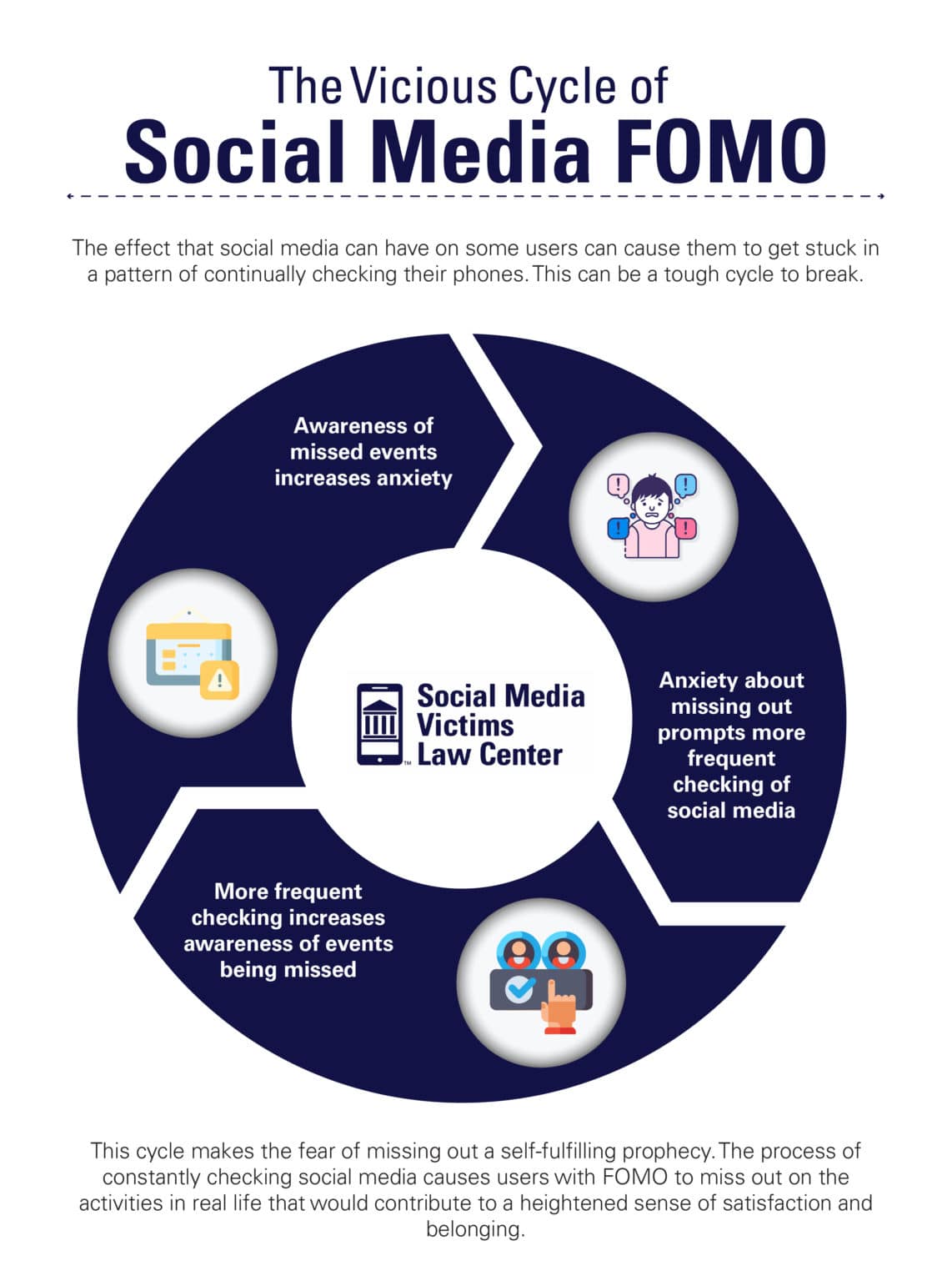
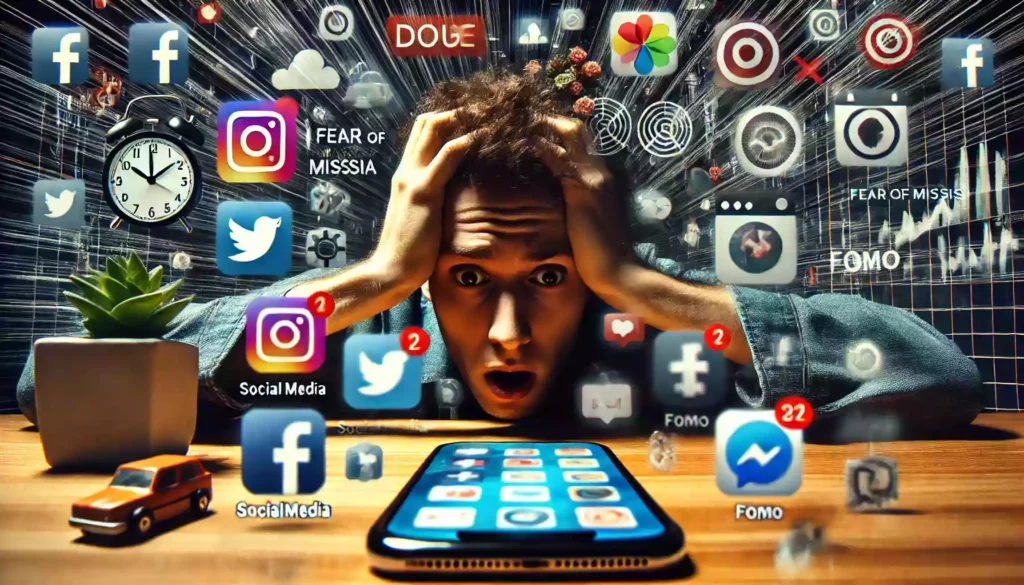
FOMO , the fear of missing out, can disrupt your happiness by making you believe everyone else is having better experiences. It's especially potent with social media highlighting others' best moments. Recognizing and managing FOMO is key to minimizing its impact on your mental health and well-being.
This study examines how individuals experience fear of missing out ( FoMO ) across online and offline contexts and the strategies they use to cope. Sixteen individual in -depth interviews (IDIs) with participants aged 18-35 revealed three categories of FoMO : (1) FoMO related to social media, (2) offline FoMO intensified by social media, and (3) solely offline FoMO . Each category features ...

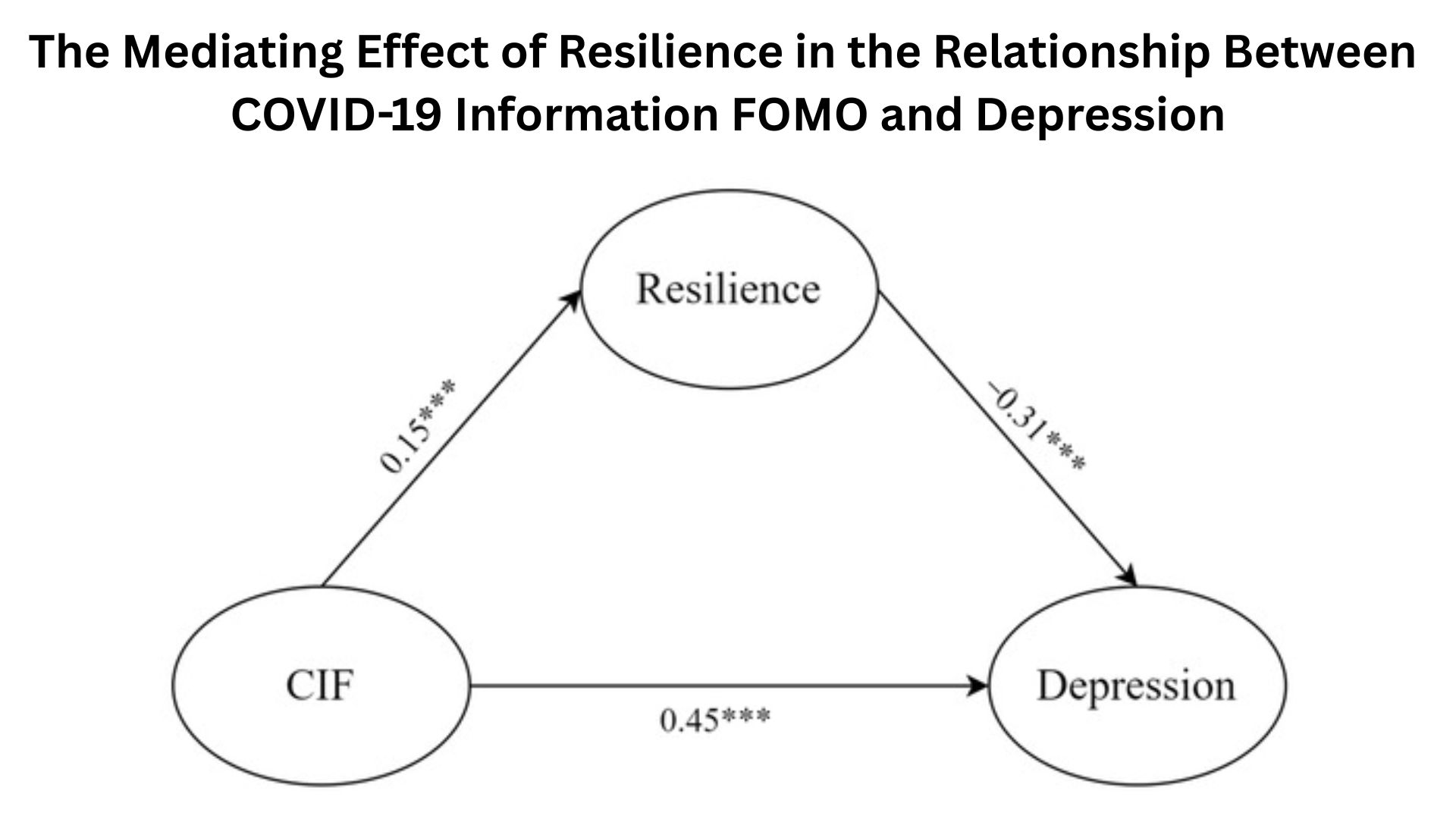
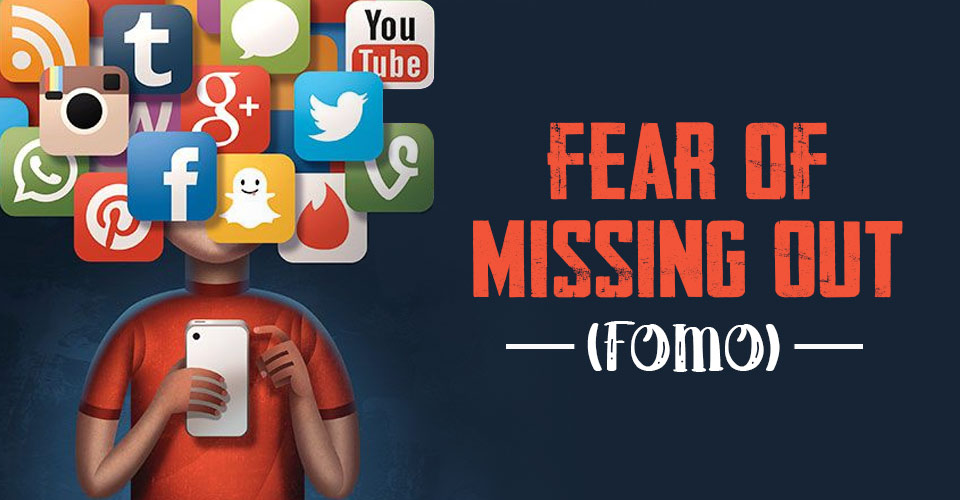
Furthermore, visual representations like the one above help us fully grasp the concept of Managing Fomo In Social Isolation.
The Fear of Missing Out (FoMO)
Unlike the fear of heights or snakes, FoMO doesn't stem from a physical threat. It arises from a perceived social threat, feeling just as real to the brain1. Psychologically, FoMO can show up in a variety of ways: it may come and go briefly, become a long-term mindset, or even create deeper feelings of social inferiority or loneliness (1).