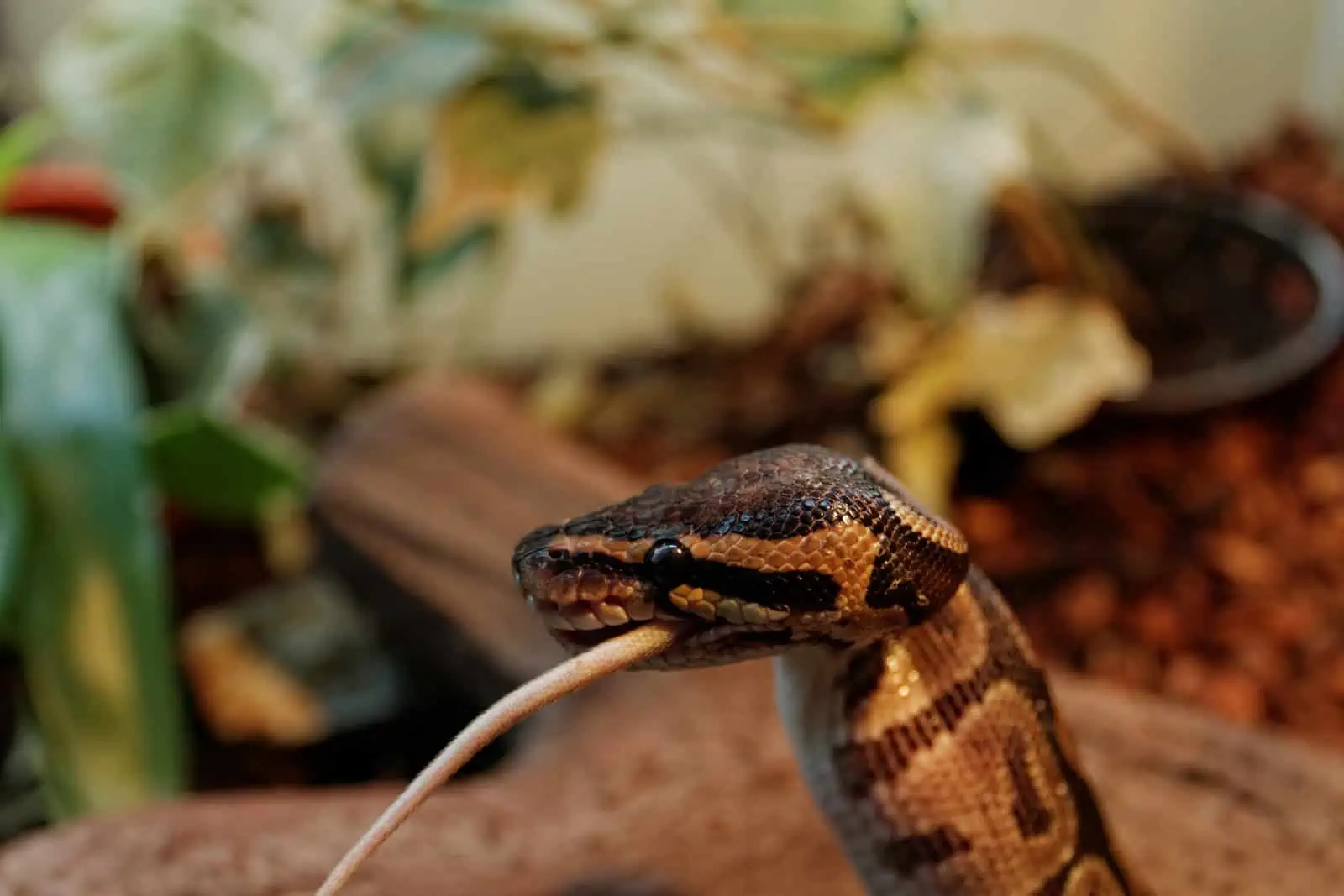
Nutritional Deficiencies In Ball Pythons And Their Impact
The Ultimate Collection: Nutritional Deficiencies In Ball Pythons And Their Impact Captured on Camera
Ball Python Not Eating Causes, Symptoms & Solutions Revealed
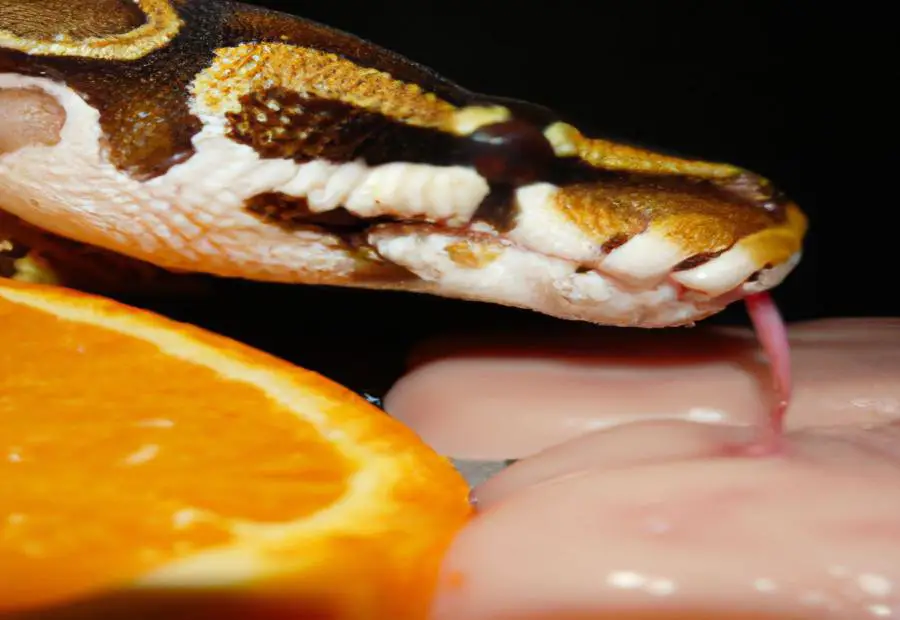
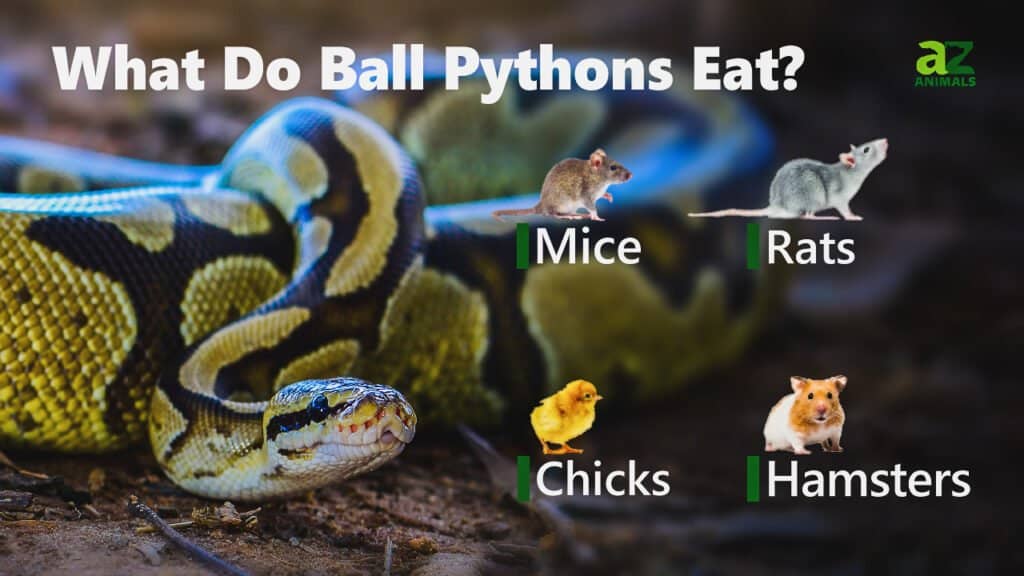
These cover all of a ball python's nutritional needs when fed at the right size and frequency. Ball pythons do not require — and should not receive — supplements, fruits, vegetables, or any non-prey foods. Their digestive system is built for one thing: whole prey. Pro Tip: Always source feeders from a reputable supplier.
Nutritional Deficiencies In Ball Pythons And Their Impact
Ball Python Not Eating Common Reasons And Solutions
Nutritional Deficiencies In Ball Pythons And Their Impact
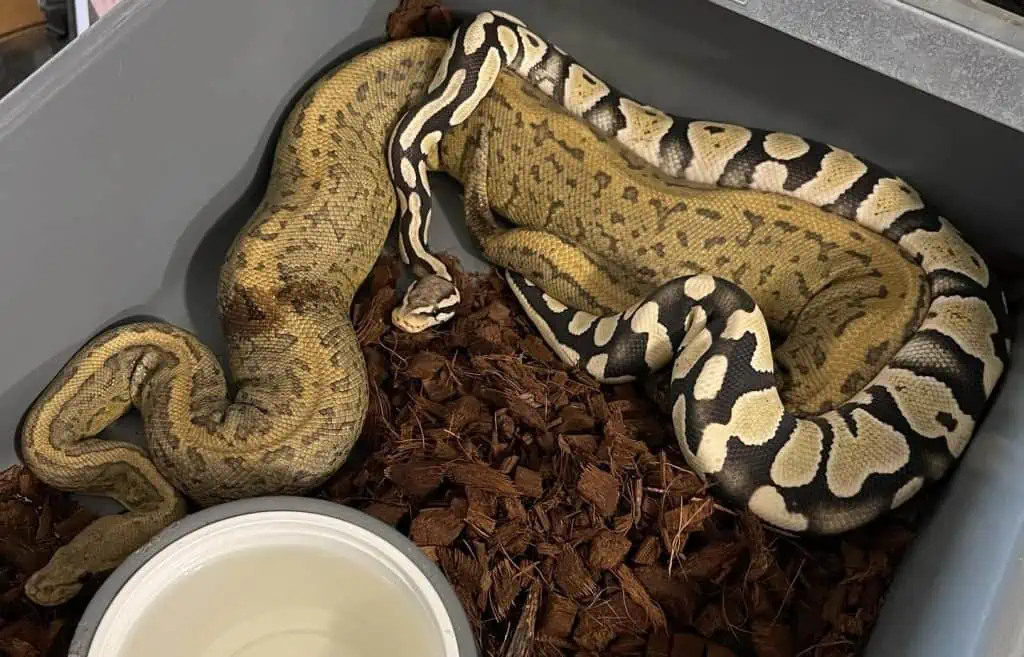
Environmental Factors When it comes to the why your ball python may not be eating, environmental factors can play a significant role. Ball pythons are native to the tropical regions of Africa, so it's important to create an enclosure that mimics their natural habitat. One crucial aspect to consider is the and humidity levels within the enclosure.
Nutritional Deficiencies In Ball Pythons And Their Impact
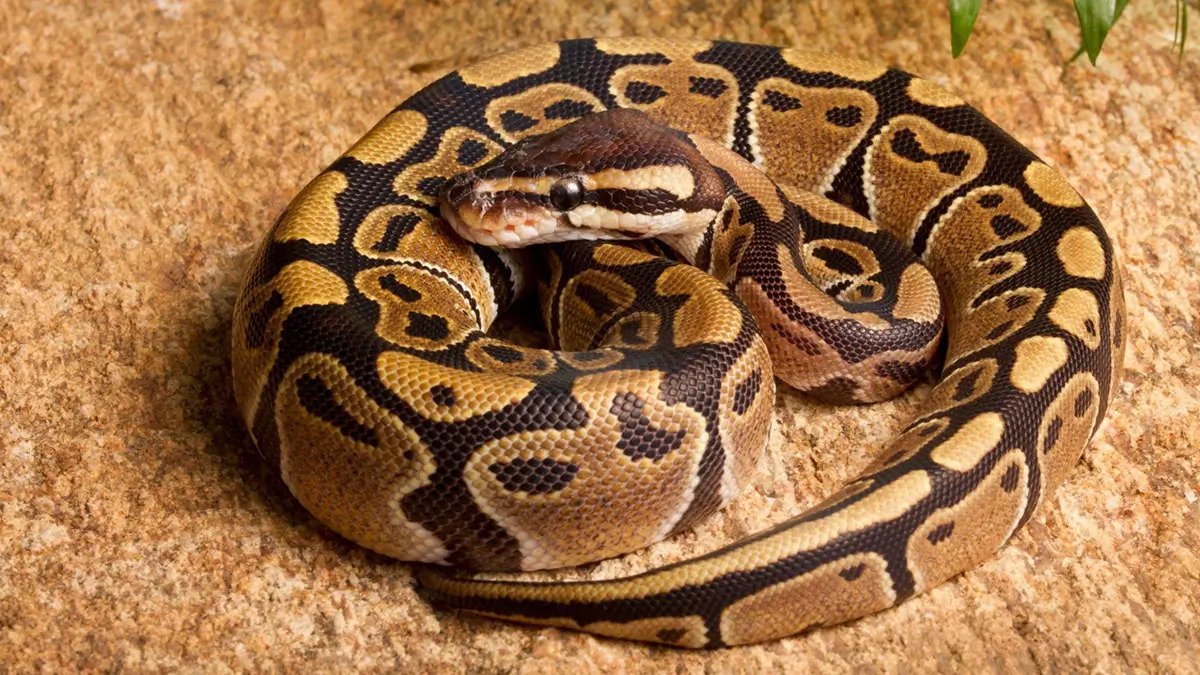
The caloric and nutritional demands of a Ball Python change over its lifetime. Hatchlings and juveniles are in an active growth phase and require more frequent meals relative to their body size, typically every five to seven days. As the snake matures, feeding frequency decreases to roughly every ten to fourteen days, and portion sizes increase.