Exploring urban design's impact on physical activity
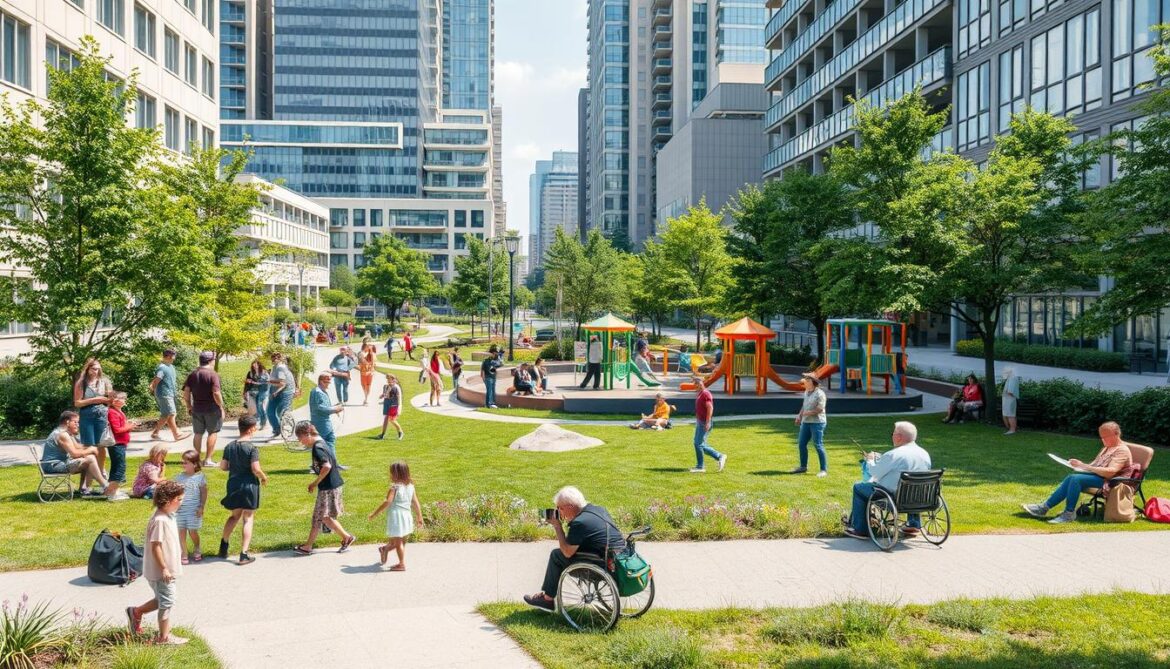
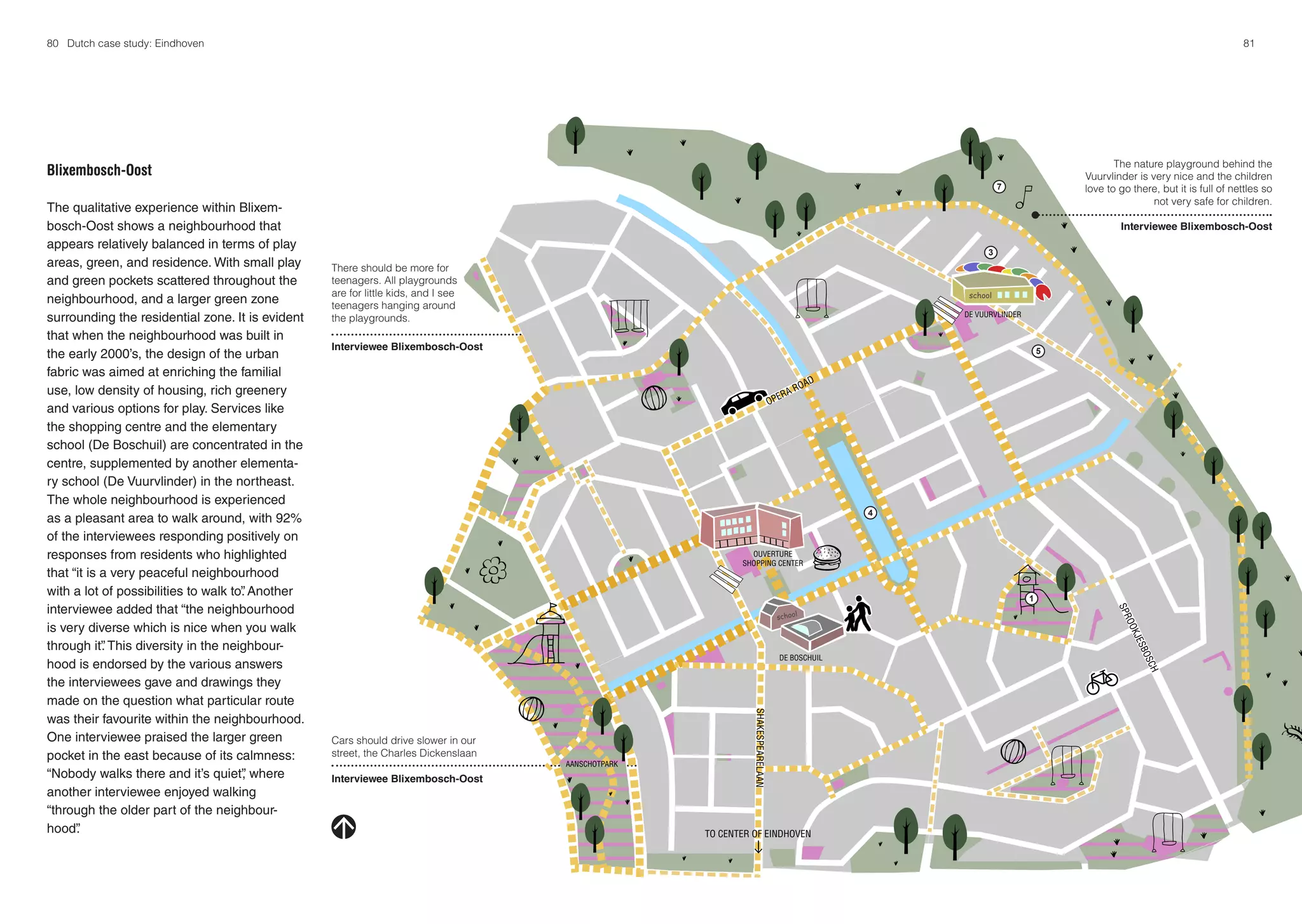
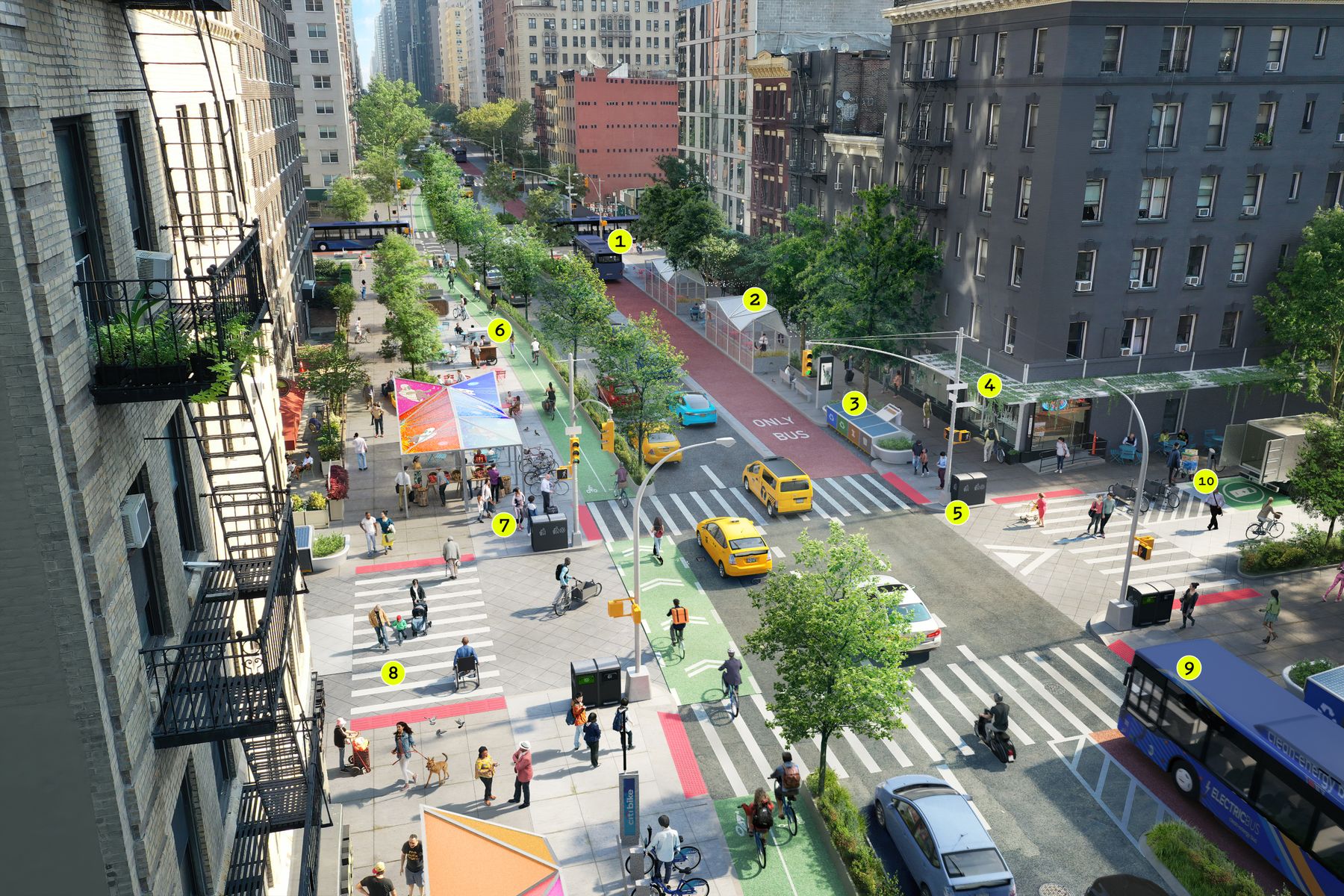
These urban design features directly influence physical activity behaviors and consequently impact residents' health. Policymakers should focus on creating inclusive urban spaces that promote physical activity , such as pedestrian- friendly infrastructure, safe and accessible public spaces, and community-led management of local ...
Designing Active Cities
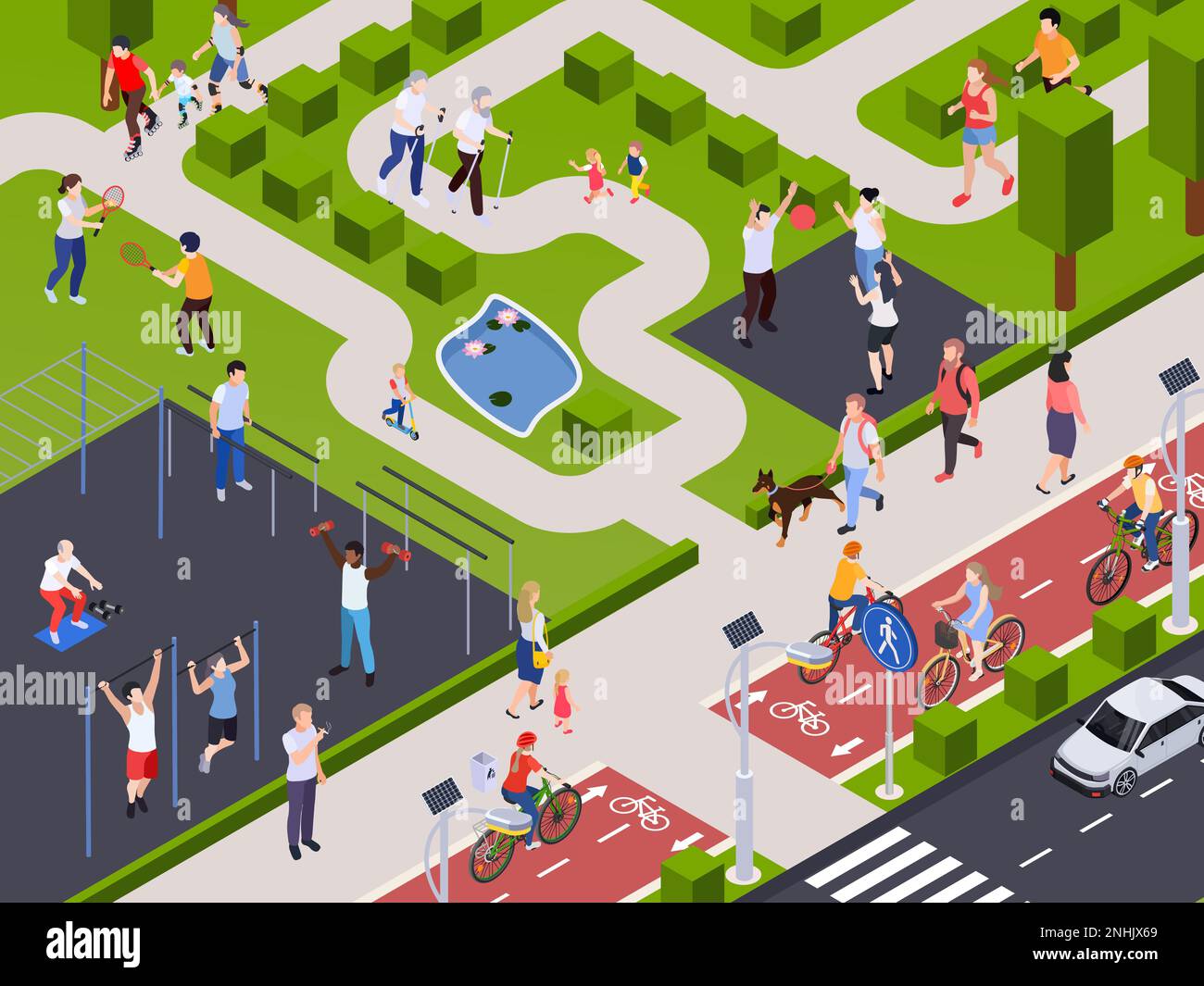
Abstract The 21st-century urban landscape faces new challenges in fostering environments that support physical activity (PA). With rising awareness about the health benefits of PA, cities need to adapt to promote active lifestyles. This article delves into the strategies and methodologies for creating urban areas that encourage physical activity , assessed through systematic reviews and ...
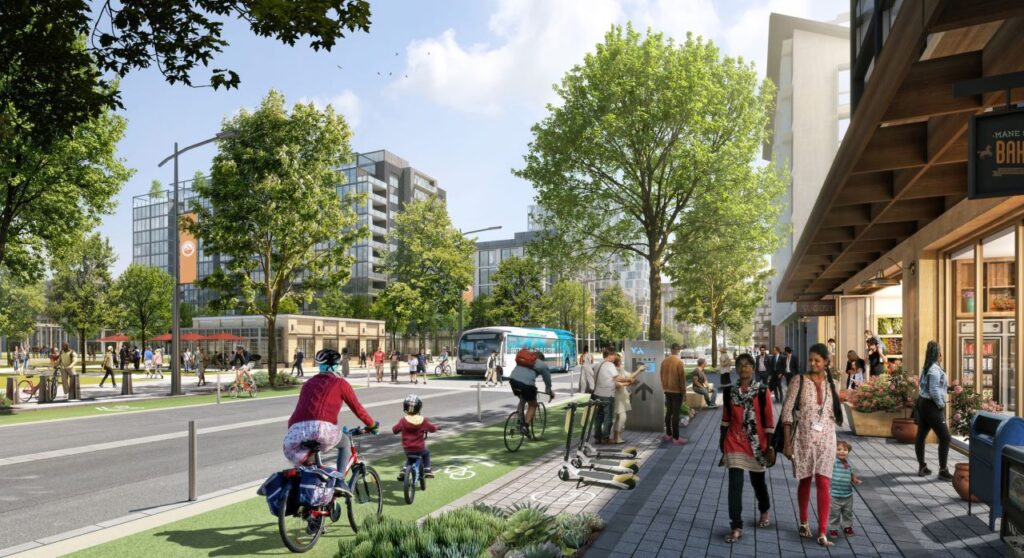
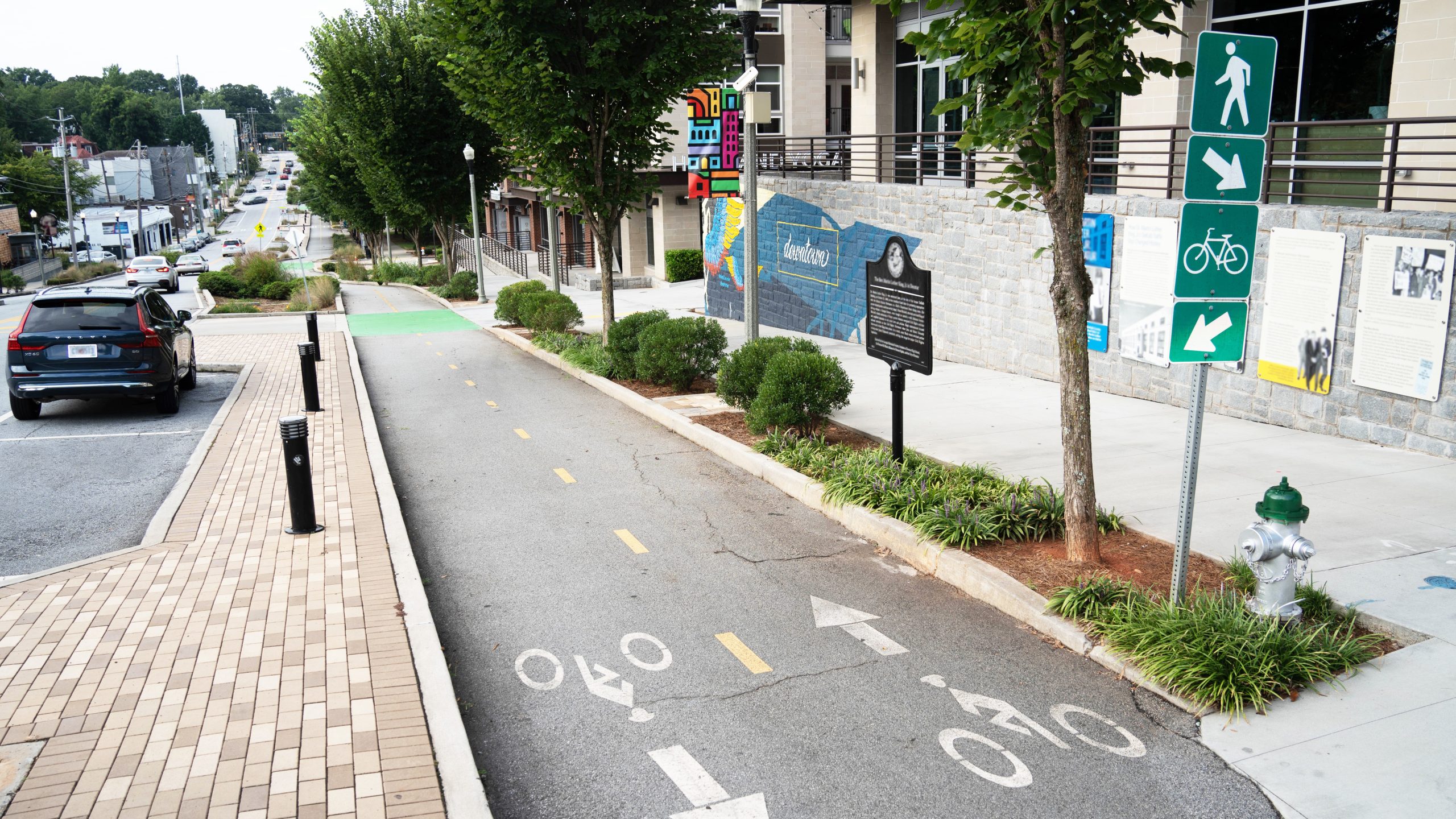
These communities support physical activity through community design by supporting activity friendly routes to everyday destinations. Activity-friendly routes include safe and convenient networks that allow someone to walk, roll, or bicycle to everyday destinations.

Urban Planning for Health
Urban Planning for Health NSLHD Population Health Promotion's Urban Planning 4 Health (UP4Health) project aims to increase physical activity , healthy eating and social interaction by advocating for the planning, design , development and management of healthy urban (built) environments.

This particular example perfectly highlights why Physical Activity Friendly Urban Design is so captivating.
A growing body of evidence, predominantly from the USA and Australia, links urban design features to residents' sense of place, which in turn is associated with physical activity and mental health. Scope of evidence To date, studies are predominantly from urban areas with less research in rural and regional settings.