Mastering Snake Feeding Schedules by Age and Species
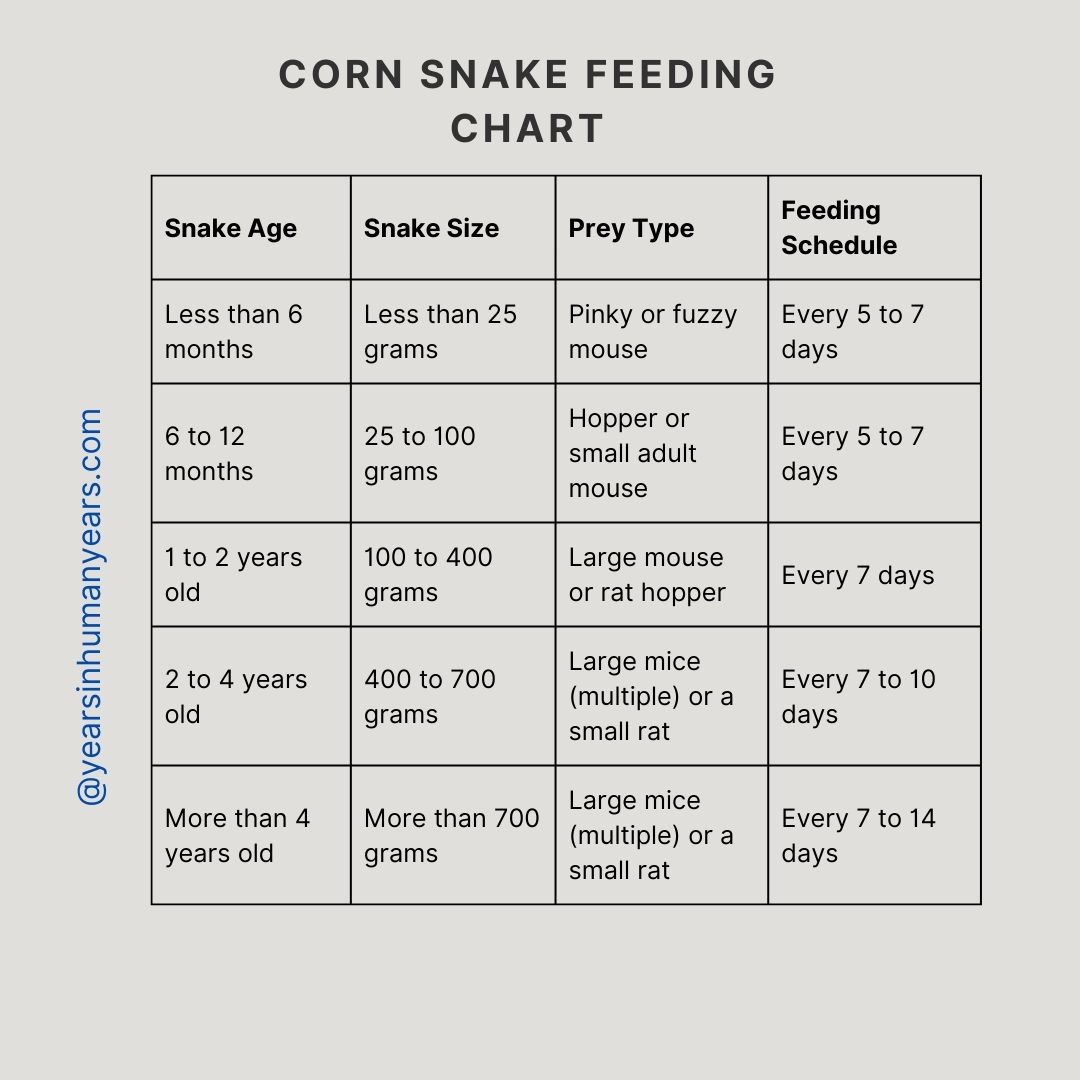
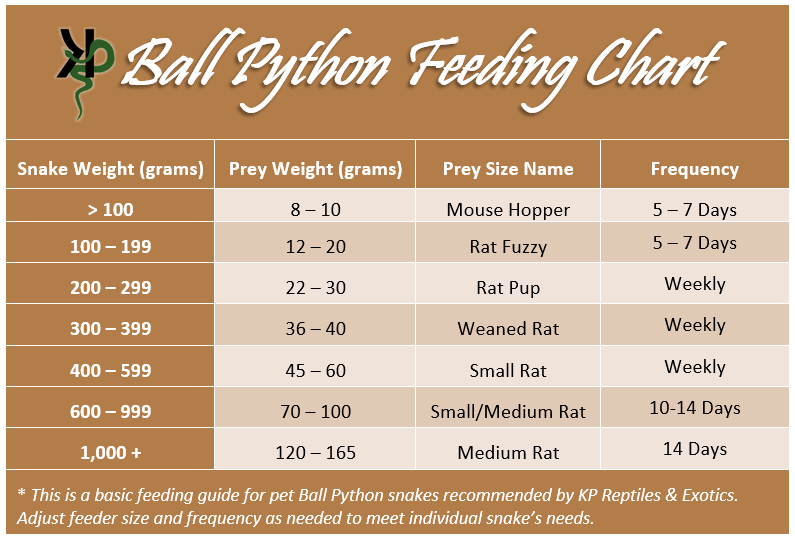
The nutritional requirements of snakes vary significantly depending on age, species, and size. For example, younger snakes require more protein to support their rapid growth, while older snakes need less energy due to slower metabolism. Understanding these differences is crucial for creating an effective feeding schedule tailored to your pet snake's unique needs . Factors Influencing Snake ...
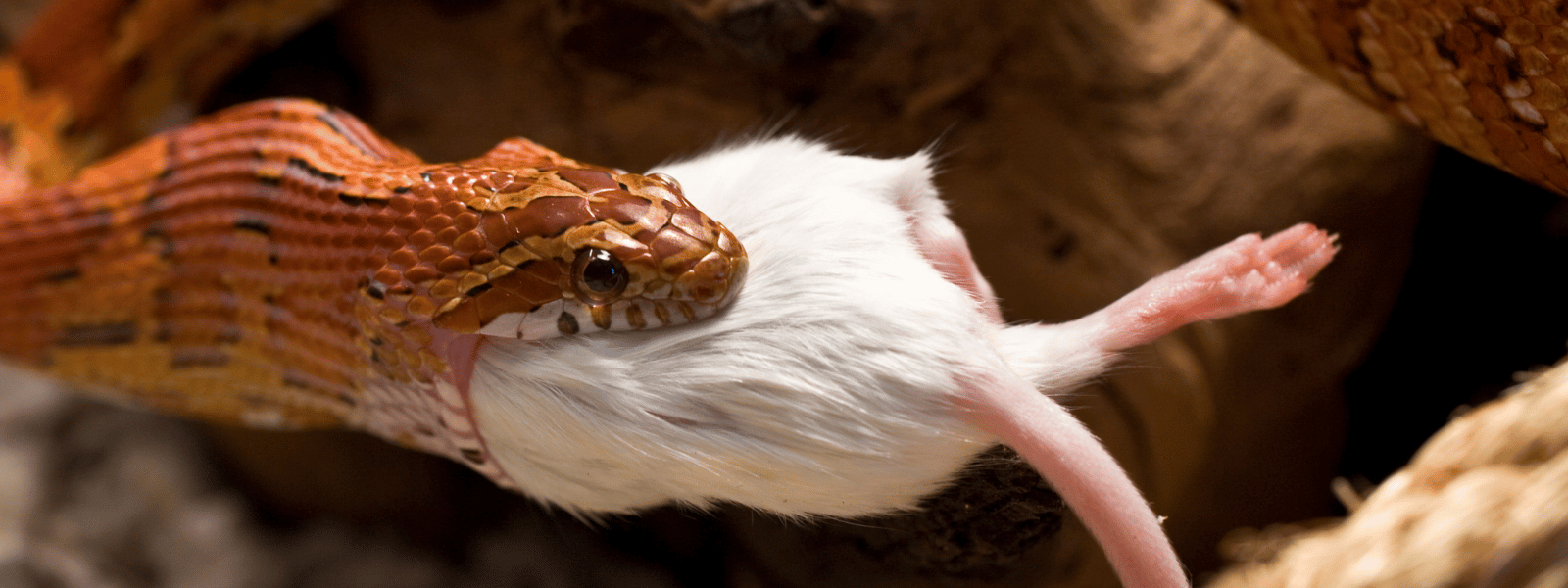
Feeding rodents to rodent-eating carnivores, such as most snakes , presents few problems as long as the snake recognizes the rodent as food. Rodents that have been frozen for prolonged periods, especially if they are obese, may contain fewer nutrients and provide excess calories.

This particular example perfectly highlights why Special Needs Snakes Feeding Requirements is so captivating.
A Guide to Snake Nutrition
By: Tarra Freel, Comparative Animal Nutritionist It's Not Just About Feeding - It's About Feeding Correctly Snake feeding is often presented as simple: give your snake a mouse every so often and you're done. That idea isn't entirely wrong, but it's incomplete in a way that leads to many of the most common health issues seen in pet snakes . Snakes are not generalist feeders; they are ...

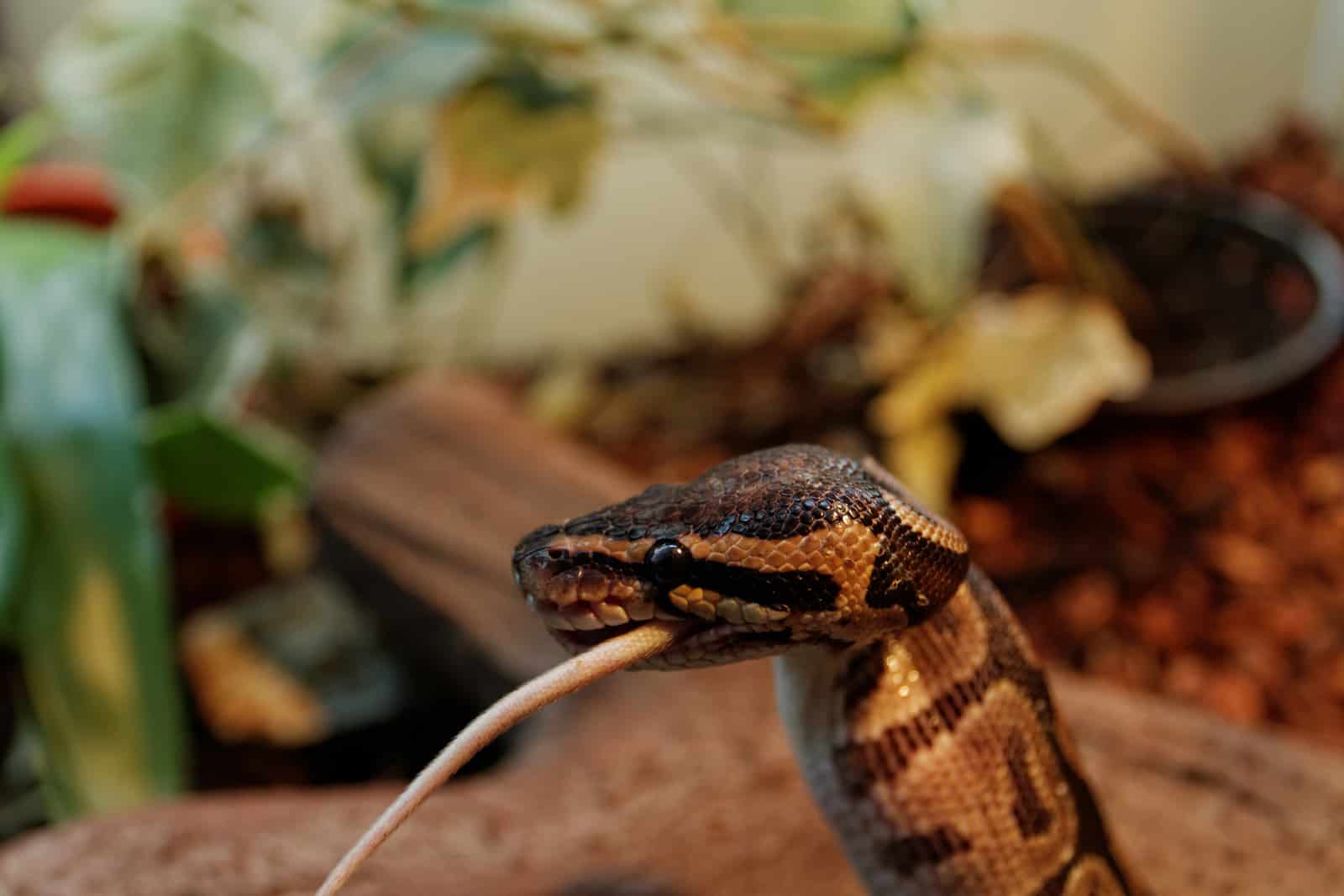
As we can see from the illustration, Special Needs Snakes Feeding Requirements has many fascinating aspects to explore.
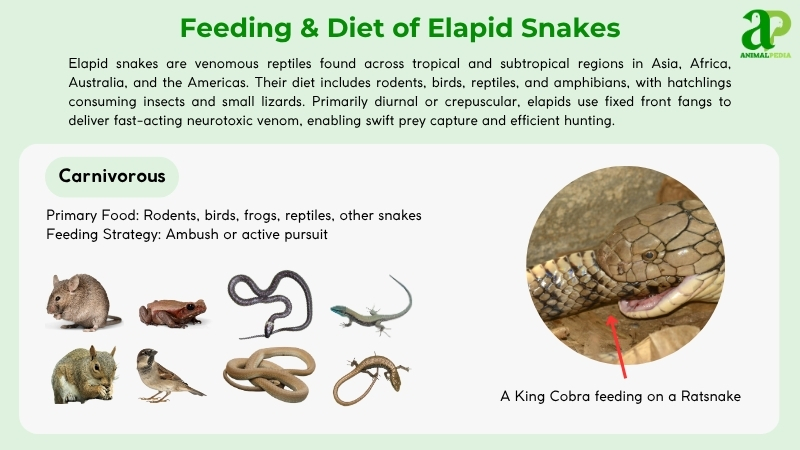
Anoles, yellow rat snakes , frogs, and smelt, depending on natural feeding habits, can be fed when homeothermic prey is not accepted. Prey size is usually proportional to snake size and should not be much larger in diameter than the snake's head. Snakes that are routinely handled can be fed in a separate tank to decrease biting.
Useful Notes on Special Needs Snakes Feeding Requirements
If you've chosen your species, and have all your licensing, feeding and housing requirements taken care of, you can move on to finding a licenced breeder or reputable pet store to supply you with your new pet snake .