Reptile Stress Symptoms
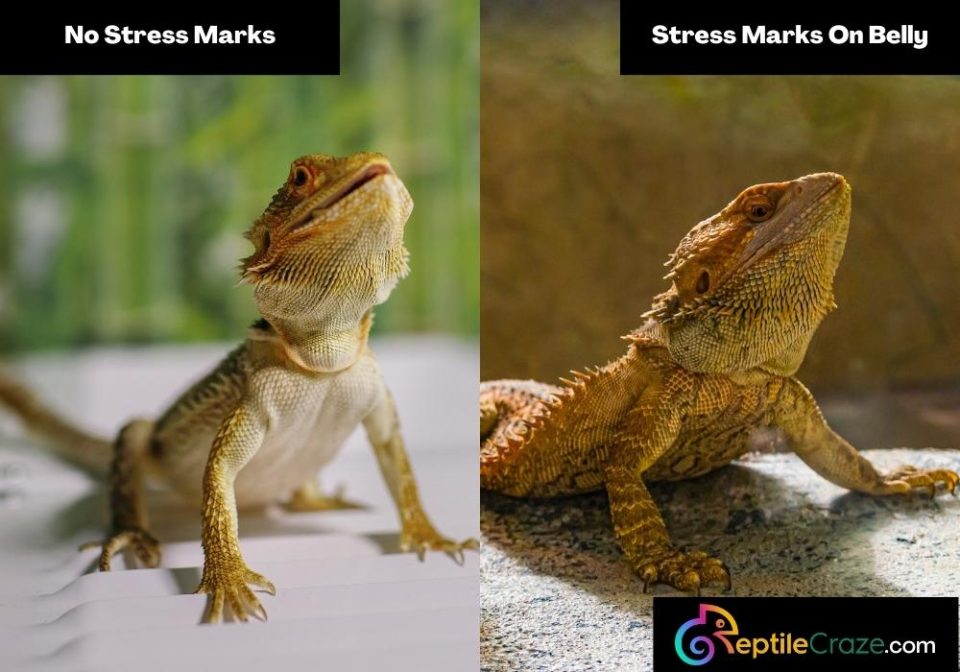
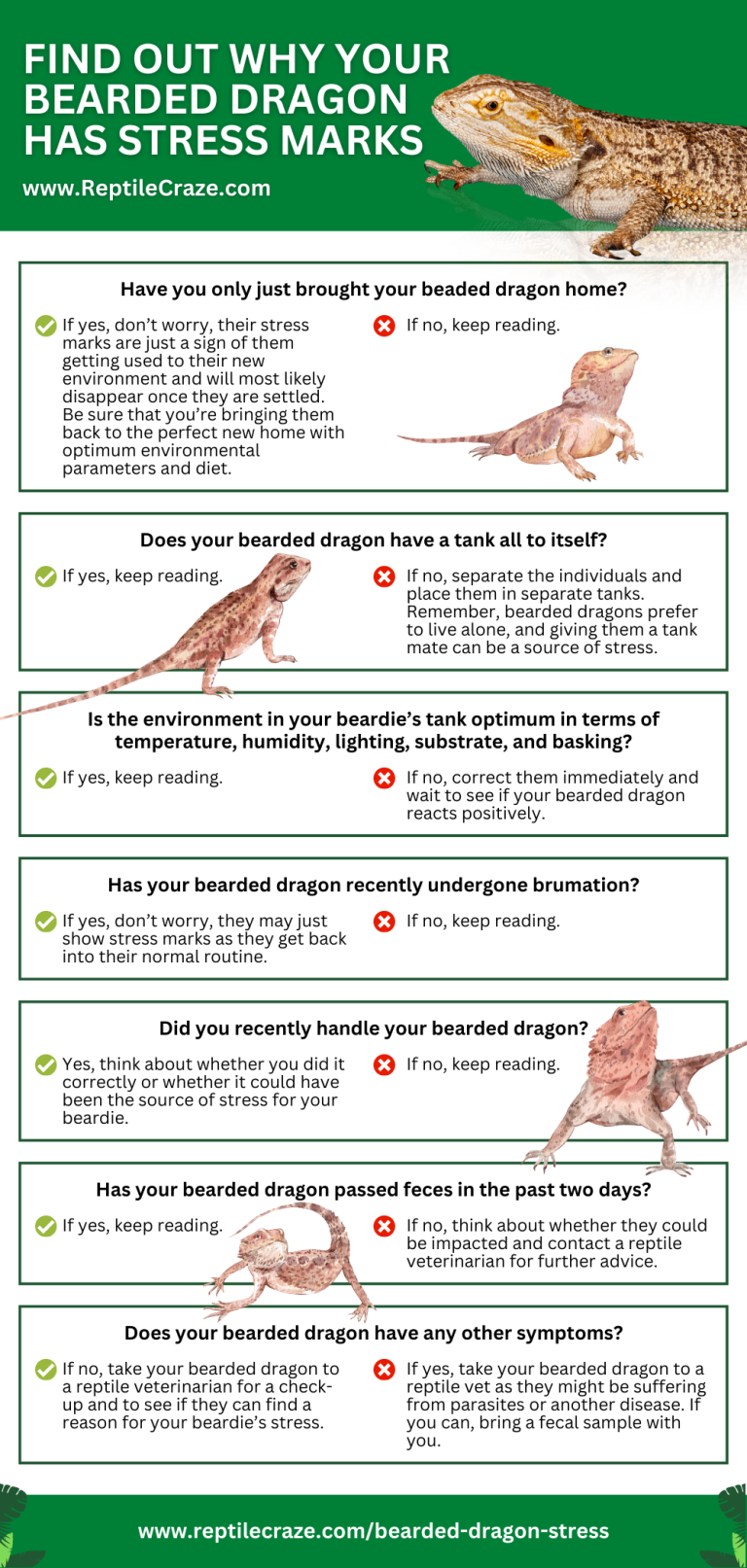
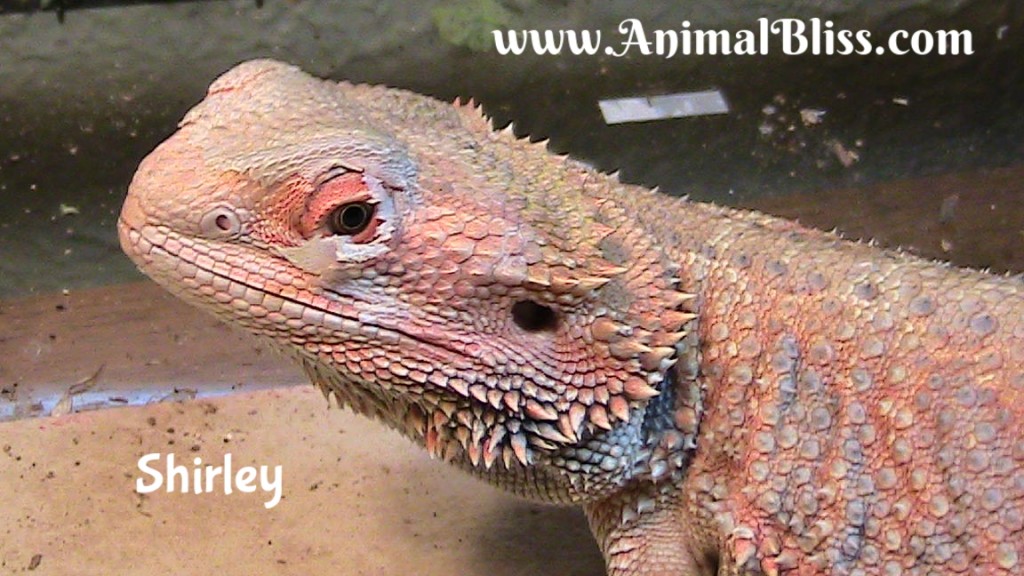
Reptiles show stress through changes in behavior , appetite, color, shedding , and posture. I've worked with reptile keepers and vets for years, diagnosing and managing reptile stress symptoms from bearded dragons to corn snakes.
Behavioral stress signs are your first line of information, but they're not a substitute for veterinary evaluation when something seems wrong. Any reptile showing sustained appetite loss, unexplained weight loss, respiratory symptoms, neurological signs, or physical changes like abnormal shedding , swelling, or discoloration should be seen by an ...

Stress in reptiles can be caused by various factors, including improper habitat, handling, noise, or illness. When a reptile experiences stress , it produces elevated levels of cortisol, a hormone that can interfere with normal physiological processes, including shedding .
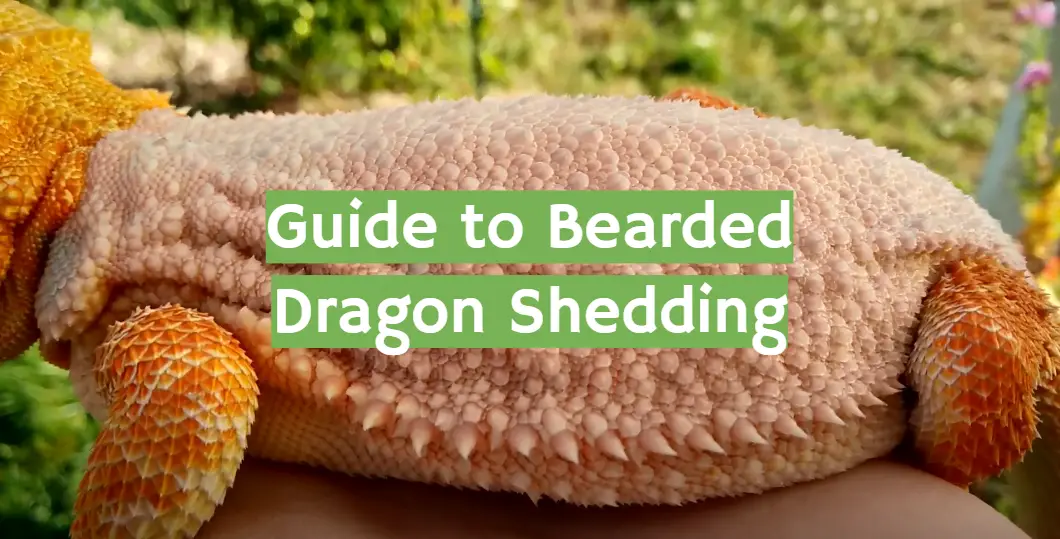
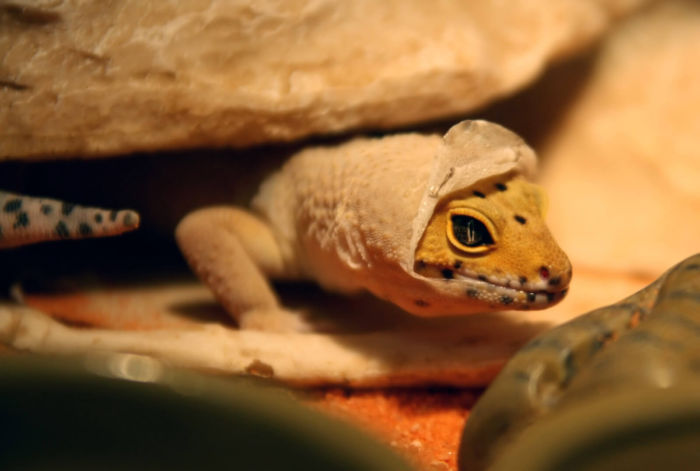
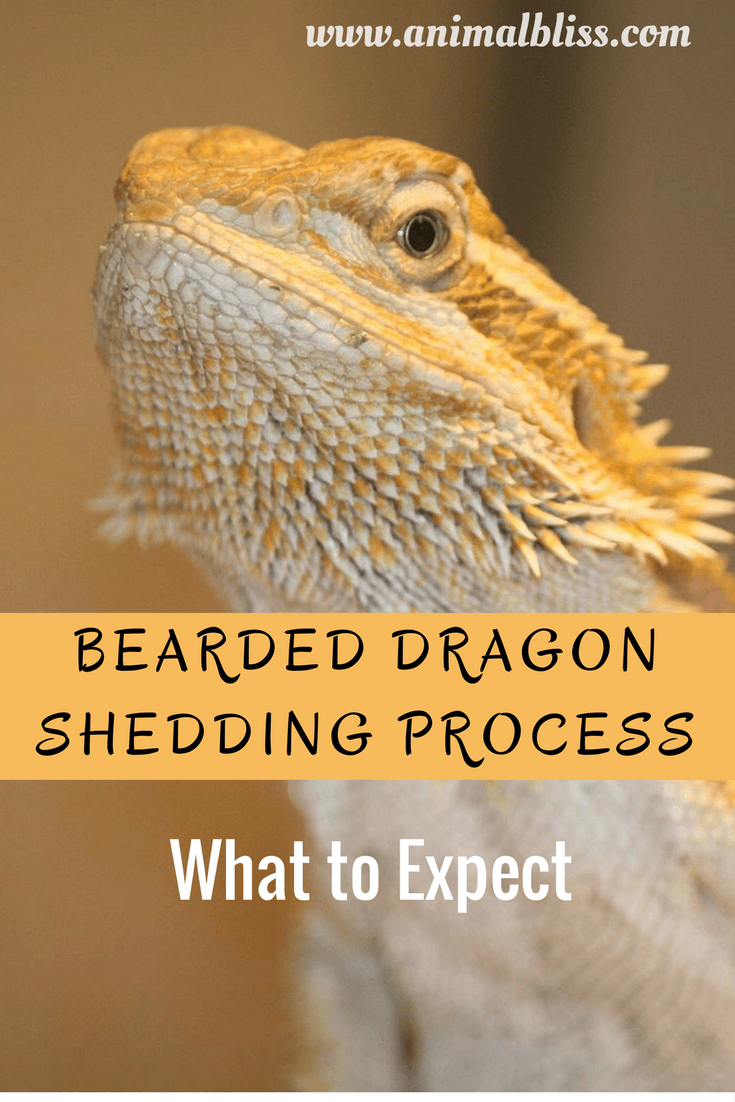
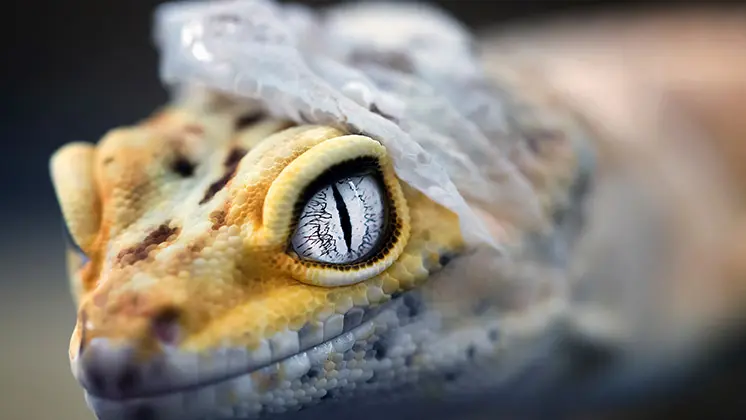
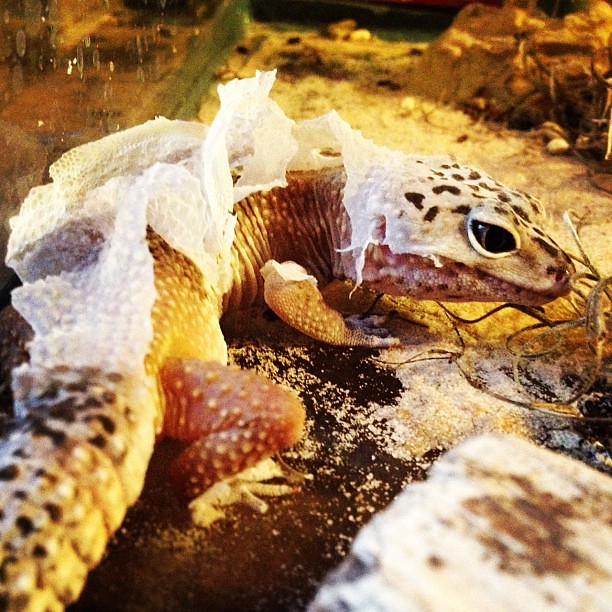
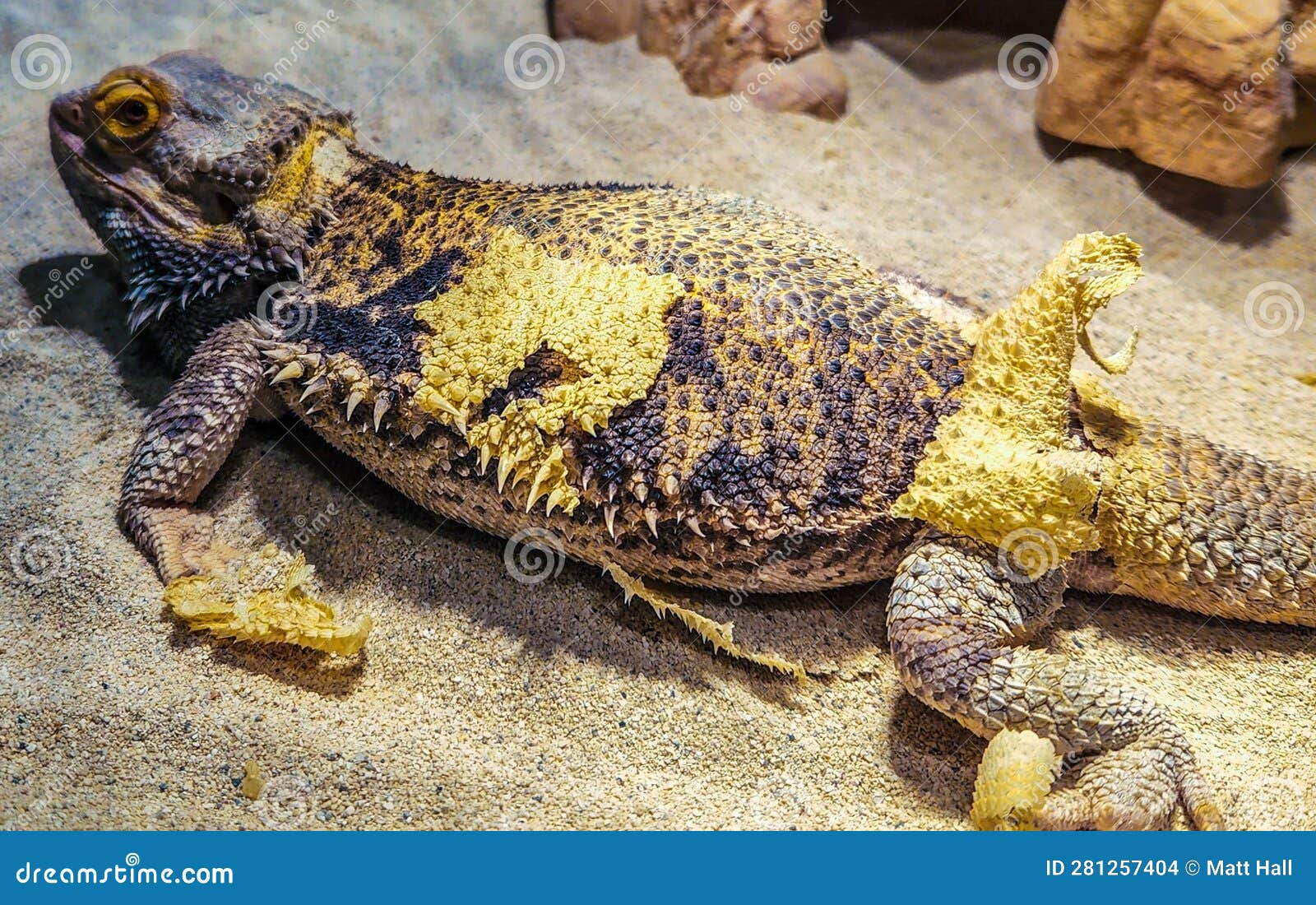
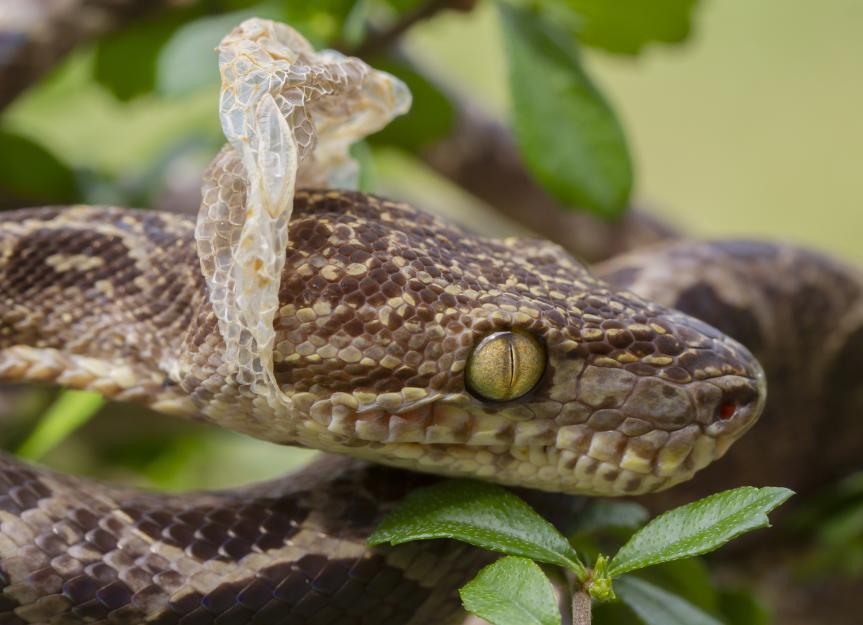
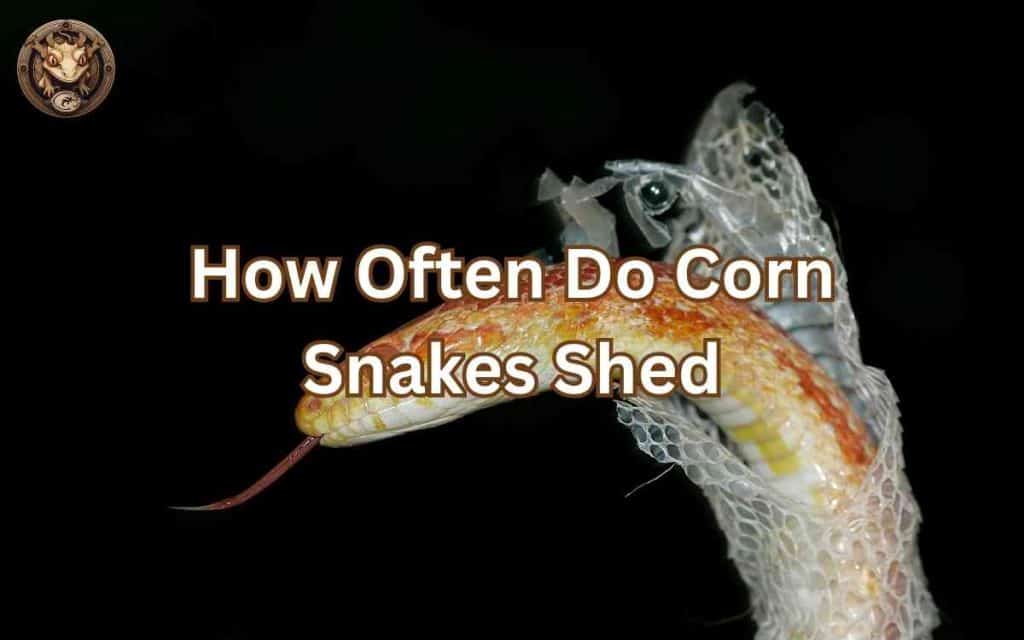
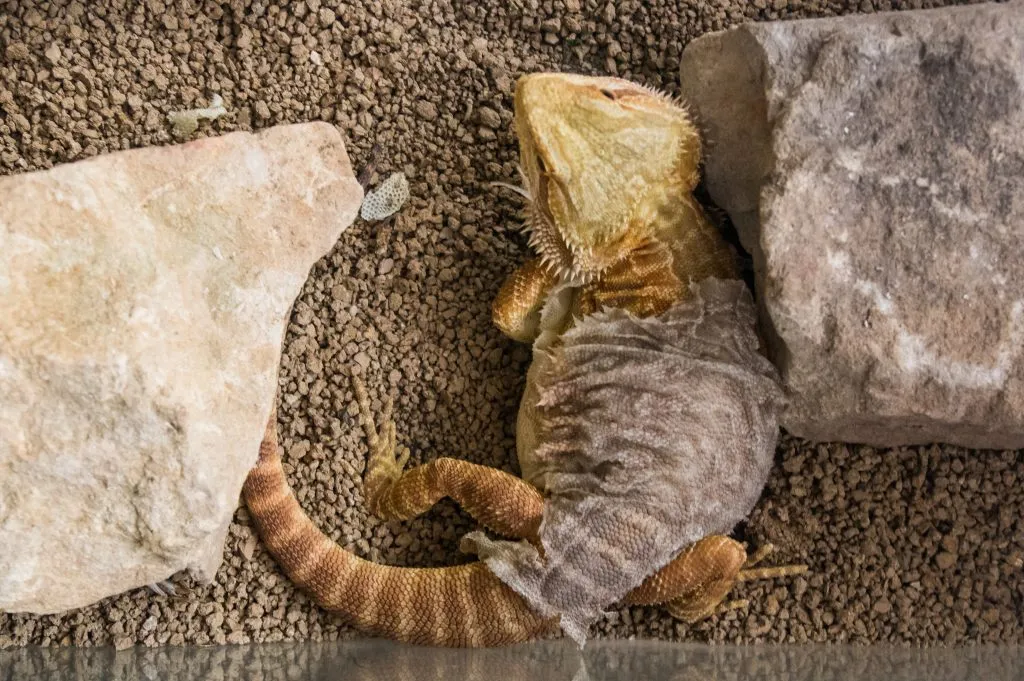
Stress frequently disrupts the normal shedding process in reptiles , resulting in incomplete sheds, retained eyecaps, or abnormal shedding frequency. While proper humidity is essential for healthy shedding , even with ideal conditions, a stressed reptile may experience shedding problems.
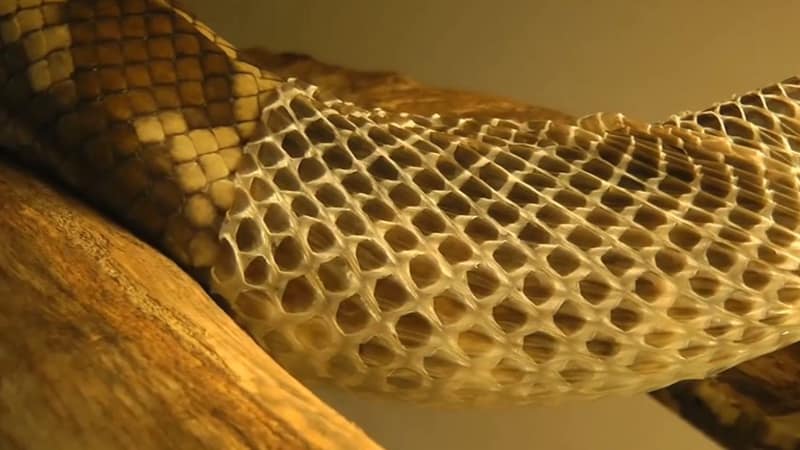
Such details provide a deeper understanding and appreciation for Stress Reptile Shedding Behavior.
During Shed Wait
Many reptiles reduce or stop eating entirely during shed. Their behavior shifts toward hiding, reduced activity, and increased defensiveness because they are physically vulnerable and their ability to detect and respond to threats is compromised. The core principle of stress removal equals cooperation applies directly here.

Discover the causes of reptile shedding problems, including dehydration, nutritional deficiencies, and environmental stressors. Learn how to diagnose and treat skin lesions, infections, and other health issues in your reptile pet.